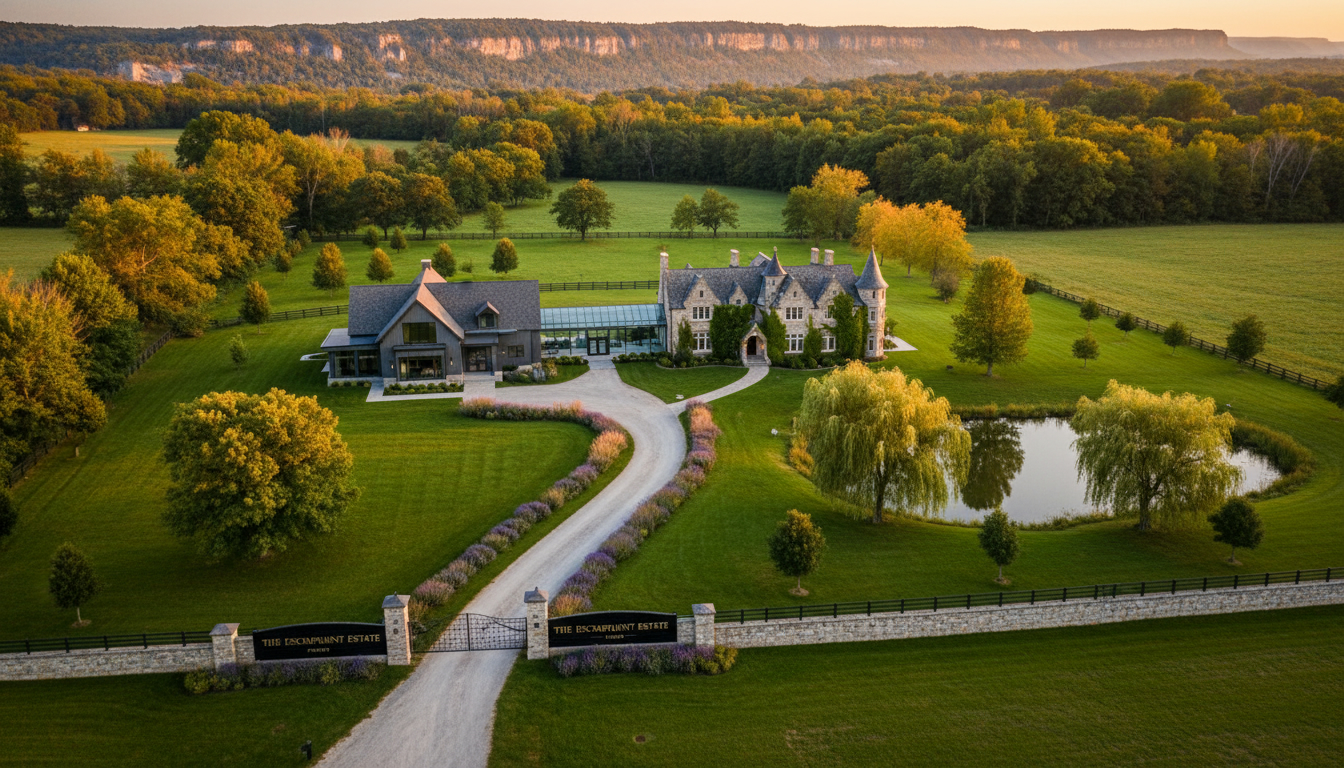
How do I determine the price for unique properties?
“How do I determine the price for unique properties?” — Here’s a blunt, profitable way to find the real number and sell or buy with confidence.
Why pricing unique properties is different in Milton, ON
Unique properties—rural estates, luxury acreage, heritage homes, equestrian properties, waterfront parcels—don’t follow MLS math. Milton sits where GTA growth meets the Niagara Escarpment and conserved land. That creates demand, but few true comparables. You need a framework, not guesswork.
This post gives a step-by-step, market-specific plan you can use today. No fluff. No theory. Actionable moves that a local expert uses to set a price buyers respect and sellers get paid for.
Define what “unique” means for Milton
Start by classifying the asset. Each pricing method depends on type:
- Rural acreage & hobby farms — land use, soil, fencing, outbuildings.
- Luxury countryside homes — finished square footage, design, materials, views.
- Equestrian & hobbyist properties — ring, stables, paddocks, municipal bylaws.
- Heritage or architecturally unique homes — restoration cost, designation rules.
- Waterfront or escarpment-edge lots — shoreline rights, elevation, conservation restrictions.
Labeling the property stops bad comparisons. You can’t price an architect’s showhome like a subdivision lot.
6-step pricing framework for unique properties in Milton
1) Market intelligence: inventory and buyer pool
- Run a custom market scan for the last 24 months focused on Halton Region and neighbouring townships: Milton, Campbellville, Nassagaweya, and rural Halton.
- Track sold prices, DOM (days on market), and buyer types (local commuters, Toronto buyers, investors).
- For Milton: note commuter appeal (GO service and highways), and lifestyle demand (Kelso Conservation Area, escarpment trails). Those buyers pay premiums for privacy plus commute viability.
2) Adjusted comparable analysis (paired-sales)
- When direct comps don’t exist, use paired sales: take a nearby standard property and a nearby unique property sold, measure the premium the market paid for uniqueness, then apply that premium.
- Adjust comps for: acreage per usable acre, building condition, servicing (mains vs well/septic), driveway length, views, and restrictions from conservation authorities.
3) Land-first valuation
- Separate land and improvement values. In Milton, land explains most of the price gap on unique listings. If the house is replaceable, estimate the land value per usable acre using nearest rural sales.
- Account for conservation zones and setbacks near the escarpment: usable acreage can be much smaller than total acreage.
4) Cost approach for bespoke buildings
- For one-off homes, calculate replacement cost with current contractor rates for Halton Region, add permits and site servicing. Subtract functional depreciation and add value for unique architectural features buyers will pay for.
- This is not a construction estimate; it’s a market-based replacement approach to justify a floor price.
5) Income & opportunity approach when relevant
- If property can generate income (rental suites, B&B, event space, leased farmland), capitalise that income using market cap rates for the area.
- For hobby farms, compare potential agricultural income per acre to local farm sales to set a baseline.
6) Value modifiers you cannot ignore
- Zoning and permitted uses. Rural residential vs agricultural vs specialty zoning changes value dramatically.
- Servicing costs: distance to hydro, municipal road maintenance, septic certification, well water reports.
- Environmental restrictions: conservation authority restrictions near the escarpment and waterways reduce buildable area and buyer pool.
- Access and drive quality: a 10-minute rough drive cuts price and limits buyer pool.
How to price with confidence: a simple math model
- Estimate usable land value = comparable per usable acre × usable acres.
- Estimate house value = replacement cost (local contractor rates) + premium for design/features − depreciation.
- Add income value (if applicable) = annual net income ÷ cap rate.
- Apply marketability discount/premium: −5% to −15% for hard-to-sell features; +5% to +20% for rare high-demand features (waterfront, escarpment view, equestrian facilities).
That gives a defensible list price range. Use the lower bound for a fast sale, the upper bound if you plan curated marketing to targeted buyers.
Milton-specific variables that change the math
- Commuter premium: Proximity to Milton GO and major highways raises value for buyers who work in Toronto. A property with reliable commute access often sells at a premium vs similar isolation further out.
- Conservation and escarpment rules: Areas near Kelso and the Niagara Escarpment have development limits. Always get a conservation authority check early. Buildable area is king.
- Regional growth: Halton’s strong growth trajectory continues to push demand for lifestyle properties. That compresses days on market for well-priced unique homes.
- Local buyer psychology: Milton buyers pay for turnkey equestrian setups and low-maintenance landscapes more than they pay for DIY potential. Price accordingly.
Market your price — don’t just publish it
Unique properties need targeted marketing to justify a premium price.
- Create a buyer persona (Toronto executive, local entrepreneur, multi-generational family). Tailor visuals and copy to them.
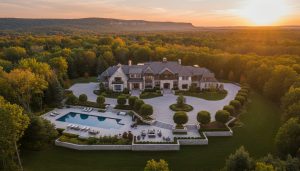
- Use aerial drone shots to show usable acreage, driveway route, and proximity to landmarks (Kelso, GO station, escarpment). Buyers must see the land’s function.
- Sell solutions: septic certificate, well reports, municipal approvals, and staging for exterior spaces. Presenting these reduces perceived risk and supports price.
- Private broker previews and targeted outreach to specialist buyer lists (equestrian networks, luxury buyers, architects) will attract the right buyer faster.
Pricing strategy: anchor, test, and adjust
- Anchor with a headline number that reflects the property’s highest believable value.
- Test the market with a 30–45 day window. Track showings, feedback, and offers.
- If feedback notes price as the barrier and showings are low, adjust downward in controlled steps. If you get multiple strong offers, you can push the price up or call for offers.
Never panic-drop the price. Make data-driven adjustments and communicate clearly to sellers.
How the right advisor changes everything
Pricing unique properties in Milton demands local market knowledge, strong networks, and technical valuation skill. An advisor who understands Halton zoning, conservation authority rules, local contractor costs, and high-end buyer psychology saves sellers tens of thousands, often more.
If you want a fast, defendable price that attracts the right buyer, you need a valuation strategy, marketing plan, and a direct outreach campaign. That’s where a specialist listing agent makes the difference.
Closing: sell smarter, not harder
Unique properties are valuable because they’re rare. Treat the price like a positioning decision. Separate land from improvements. Explain the why to buyers. Reduce risk and present permits, reports and staging that justify the number.
If you want a tailored, no-nonsense pricing plan for your Milton property, I offer a full valuation package: on-site assessment, custom comps, replacement-cost analysis, marketing strategy, and targeted buyer outreach. Contact me at tony@sousasells.ca or call 416-477-2620. Visit https://www.sousasells.ca for more.
FAQ — Pricing and selling unique properties in Milton, ON
Q: How do I find comparable sales for a unique property?
A: Use paired-sale analysis. Find the closest standard sale and the closest unique sale. Measure the premium for uniqueness, then apply it to your base comp. Expand your search to neighbouring townships when Milton comps are scarce.
Q: Should I price above market because the property is rare?
A: Don’t guess. Price above market only if you can clearly justify it with land scarcity, superior location, income potential, or turnkey specialty features. Support the price with reports and targeted marketing.
Q: How much does the Niagara Escarpment affect price?
A: It depends. Escarpment proximity can add a premium for views and privacy, but conservation restrictions reduce buildable area. The net effect is highly case-specific—get a conservation authority review early.
Q: What are common hidden costs that change price?
A: Servicing (hydro extension, driveway, culvert), septic repairs, well drilling, environmental assessments, and conservation-mandated setbacks. Factor these into your floor price.
Q: Do buyers pay more for horse facilities?
A: Yes, turnkey equestrian facilities attract a niche buyer willing to pay a premium. Clean permits, sound fencing, and good footing are selling points.
Q: Should I use a price band instead of a single price?
A: Use a clear list price with a published reserve if you plan offers. Price bands confuse buyers. Use the band internally to guide negotiations but show a single confident list price publicly.
Q: How long will a unique property take to sell in Milton?
A: It varies. A well-priced, well-marketed unique property can sell within 30–90 days. Hard-to-service or heavily restricted lots can take longer. Data and outreach speed the process.
Q: Who should I hire to price my unique property?
A: Hire a local specialist with proven sales in rural and luxury properties, knowledge of Halton zoning and conservation rules, and a strong marketing network. Ask for valuation samples and a targeted marketing plan.
Contact: Tony Sousa, Local Realtor — tony@sousasells.ca | 416-477-2620 | https://www.sousasells.ca
Ready to price your Milton property the right way? Call or email for a no-nonsense valuation and a listing plan that sells.