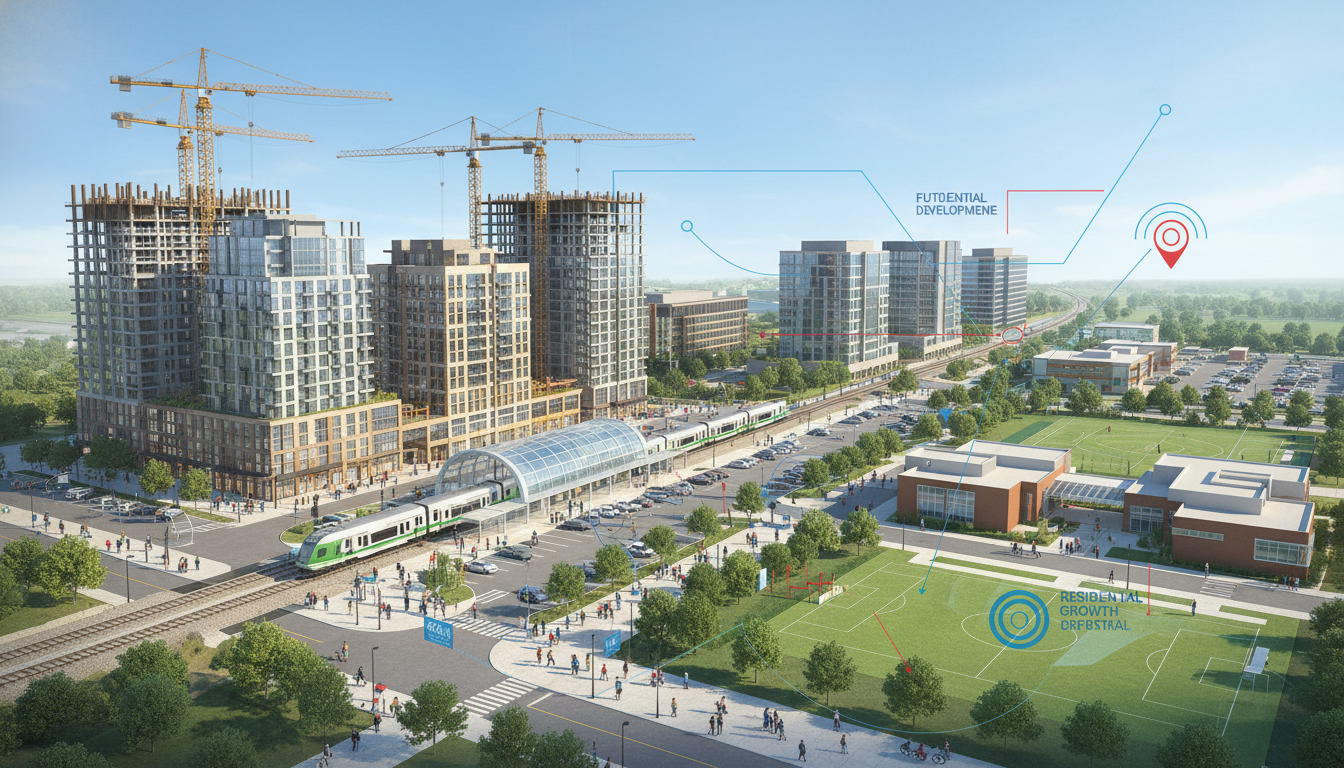
What are the future development plans in my area?
What are the future development plans in my area—and how will they affect property values, traffic, and quality of life in Milton, ON?
Quick, blunt answer you need first
Milton is set for continued rapid growth. Expect more housing subdivisions, targeted intensification in the downtown core, new employment lands and business parks, upgrades to transit and roads, and more community amenities (schools, parks, and health services). These projects will lift demand, shift traffic patterns, and create investment opportunities — but timing and locations matter. Read the rest to know where to buy, sell, or hold.
Why this matters right now
Growth influences home prices, commute times, and the type of businesses that come to your street. If you live in Milton or plan to move here, development plans determine whether your property becomes more valuable or more congested. Local planning is not random: it follows town and regional strategies that you can track and influence.

What drives development in Milton
- Halton Region and the Province of Ontario set population and employment targets.
- Town of Milton implements an Official Plan and Secondary Plans to guide where new housing, commercial, and industrial lands go.
- Private developers propose subdivisions, condos, and business parks. These proposals go through town planning review and public consultation.
- Infrastructure upgrades (roads, transit, sewers, schools) unlock growth.
Understanding these forces lets you anticipate which neighbourhoods will change first and which will stay stable.
Key future development types to watch in Milton
1) Residential growth: subdivisions and mid-rise housing
Milton will continue to add single-family subdivisions at the urban edge and mid-rise apartment and condo projects in strategic corridors. Expect:
- New master-planned neighbourhoods on the town’s periphery where servicing is staged.
- Intensification pockets near transit corridors and the downtown core with stacked townhomes and mid-rise apartments.
Impact: more inventory but sustained demand. Properties close to new services and schools will appreciate more quickly.
2) Downtown and corridor intensification
Milton’s downtown is targeted for higher-density, mixed-use projects. This means:
- Ground-floor retail with apartments above along Main Street and other corridors.
- Streetscape improvements, improved pedestrian and cycling infrastructure.
Impact: downtown businesses and rental demand increase. Central locations become prime for investors and owners who want walkable neighbourhoods.
3) Employment lands and business parks
The town plans designated employment areas to attract industrial, tech, and logistics companies. Business parks bring:
- Office and light-industrial development.
- Jobs close to home, reducing commute outflows.
Impact: areas adjacent to new employment lands gain value. Watch for traffic increases on arterial roads serving these parks.
4) Transit and road projects
Transportation projects change commute patterns and accessibility:
- GO Transit service increases and station-area improvements boost transit-oriented development.
- Provincial and regional road upgrades ease congestion and open new development corridors.
Impact: properties near improved transit and major corridors become more attractive to commuters and investors.
5) Community infrastructure: schools, parks, health services
New subdivisions require new schools, parks, and community centres. Builders and the town schedule these amenities as neighbourhoods grow.
Impact: newly serviced neighbourhoods sell faster and command premiums once community amenities are confirmed.
How to verify future development in your specific Milton neighbourhood
- Check the Town of Milton Planning Portal — look for active planning applications and approved subdivision maps.
- Review Halton Region’s growth and employment strategy documents for regional targets.
- Track public notices, council agendas, and Planning Department reports on the Town of Milton website.
- Use the property’s zoning and official plan designation to understand what’s permitted now and what could change.
- Attend public meetings or read minutes — that’s where conditions and timelines get clarified.
These steps separate rumor from fact.
Hotspots in Milton to watch (what to watch for close to where you live)
- Areas near the GO station and major arterial roads: ripe for mid-rise and mixed-use projects.
- Urban boundary edges: sites for future subdivisions and phased servicing.
- Designated employment lands: watch land-use changes and servicing plans.
- Downtown core and Main Street corridors: candidates for intensification and commercial renewal.
If your address is within a 5–15 minute drive of these locations, expect measurable change in the next 5–10 years.

How developments affect property values — plain facts
- New infrastructure and transit upgrades almost always increase nearby property values.
- Proximity to large employment nodes increases demand for rentals and ownership.
- Intensification can increase noise and traffic but also improve local retail and services.
- The certainty and timing of servicing (water, sewer, schools) are the biggest determinants of whether values move quickly or slowly.
Make decisions based on data: confirmed approvals and financing for infrastructure mean changes are coming.
Practical strategies for homeowners and buyers
- Sellers: highlight proximity to planned transit or amenities. Use confirmed municipal approvals in your listing copy.
- Buyers (investors): target areas near planned employment lands and transit improvements for long-term rental demand.
- Buyers (owners): if you want quiet stable streets, avoid lots directly adjacent to designated employment lands or major new arterials.
- All: follow the Planning Department and get professional advice from a local realtor who follows planning files daily.
Timeline expectations — what “future” actually means
Planning timelines vary. Expect:
- Short-term (1–3 years): public consultations, pre-consultations, and site plan approvals for smaller developments.
- Mid-term (3–7 years): servicing (sewers, roads) and phased subdivision builds; mid-rise projects move from approvals to construction.
- Long-term (7–15 years): full build-out of major employment lands and regional infrastructure projects.
Don’t confuse approval with immediate construction. Phased servicing and market conditions often delay breaks in the ground.
Risks and head-fakes to watch for
- Approved plans that stall due to market downturns or delays in infrastructure funding.
- Provincial policy changes that alter growth targets or conservation priorities.
- Traffic and environmental studies that re-route or limit projects.
Always verify funding and servicing commitments. That’s the difference between a plan on paper and projects on the ground.

How I track Milton development daily (a clear advantage)
I monitor: Town of Milton planning applications, Halton Region reports, GO Transit and Metrolinx announcements, council agendas, and developer notices. That means quick, accurate guidance on neighbourhood prospects. If you want a neighbourhood report showing confirmed plans and realistic timelines, ask for one.
Action plan: What to do this month
- Check the town’s planning portal for your address.
- Pull the property’s zoning and official plan designation.
- Sign up for municipal planning notices for your ward.
- Request a neighbourhood development report from a local realtor who tracks active files.
- Attend (or read) the minutes from upcoming planning committee meetings.
Take these actions now. Waiting means missed opportunities or surprise disruptions.
Contact for a tailored Milton development report
Get a clear, no-fluff neighbourhood development report for your address — confirmed projects, timelines, and investment impact. Email tony@sousasells.ca or call 416-477-2620. Visit https://www.sousasells.ca for examples of recent reports.
FAQ — Milton development plans and neighborhood prospects
Q: How can I find confirmed development plans for my specific street in Milton?
A: Use the Town of Milton planning portal and search active planning applications by address. Check recent council minutes and planning committee reports for approvals and conditions. For a fast answer, request a neighbourhood report from a local realtor who tracks these files.
Q: Will a new business park nearby decrease my home value?
A: Not usually. Business parks bring jobs and demand for housing. They can increase traffic, so properties directly adjacent to heavy industrial uses may be impacted. Look for buffers such as green space or commercial transition zones — those protect residential value.
Q: Is the GO line expansion going to change Milton’s housing market?
A: Improved GO service and station-area upgrades boost demand for homes near the station. Transit-oriented development typically increases rental and resale values. Confirm timing with Metrolinx and town station-area plans.
Q: How long between an Official Plan amendment and actual construction?
A: It varies. After approvals, developers must secure servicing, complete detailed design, and often build in phases. Expect 3–7 years for most mid-sized projects; larger employment lands can take 7–15 years to fully build out.
Q: How do schools and parks get planned in new neighbourhoods?
A: School boards and the town coordinate with developers. Developers contribute to parkland and community facilities as part of subdivision approvals. Confirmed servicing schedules indicate when schools and parks will be delivered.
Q: How can I influence development in my neighbourhood?
A: Participate in public consultations, submit comments during planning application periods, and attend council or planning committee meetings. Municipal planners consider public input when setting conditions and mitigation measures.
Q: Should I buy now or wait for developments to finish?
A: If you want long-term appreciation, buy near confirmed transit upgrades and employment lands. If you prefer minimal disruption, wait until initial construction phases finish. A local realtor can evaluate your risk tolerance and timeline.
Q: Can developments be appealed to the Ontario Land Tribunal (OLT)?
A: Yes. Opponents or developers can appeal municipal decisions. Appeals can delay projects for months or years. Monitor OLT filings if a contentious proposal affects your street.
Q: Where can I see a map of future development areas?
A: The Town of Milton’s Official Plan maps and Halton Region’s growth strategy contain land-use mapping. Many planning portals include GIS viewers showing active files and proposed land uses.
If you want a no-nonsense, street-level development report for your Milton address, email tony@sousasells.ca or call 416-477-2620. I produce clear, sourced reports you can use to buy, sell, or plan.
Image credit: Local planning maps and municipal reports (used for reference).