What inspections are needed for rural homes?
Want to sell a rural, luxury or unique property in Georgetown, ON? Here’s what buyers will insist on — and how to use inspections to get top dollar.
Why inspections matter for rural, luxury and unique homes in Georgetown
If you own a rural estate, hobby farm, or one-of-a-kind property near Georgetown, Ontario, the rules change. Buyers aren’t just buying a structure; they’re buying land, water access, septic systems, outbuildings, and peace of mind. One bad surprise — a failing septic, contaminated well, or unstable outbuilding — can kill a sale or destroy your negotiating leverage.
Do inspections early. Use them as a weapon, not a liability. A pre-listing inspection positions your property as a premium, well-managed asset. It reduces buyer fear, shortens conditional periods, and lets you control price and repair decisions.
Below are the seven inspections every rural seller in Georgetown should know, why they matter, what to expect, and how to leverage the results when you list.
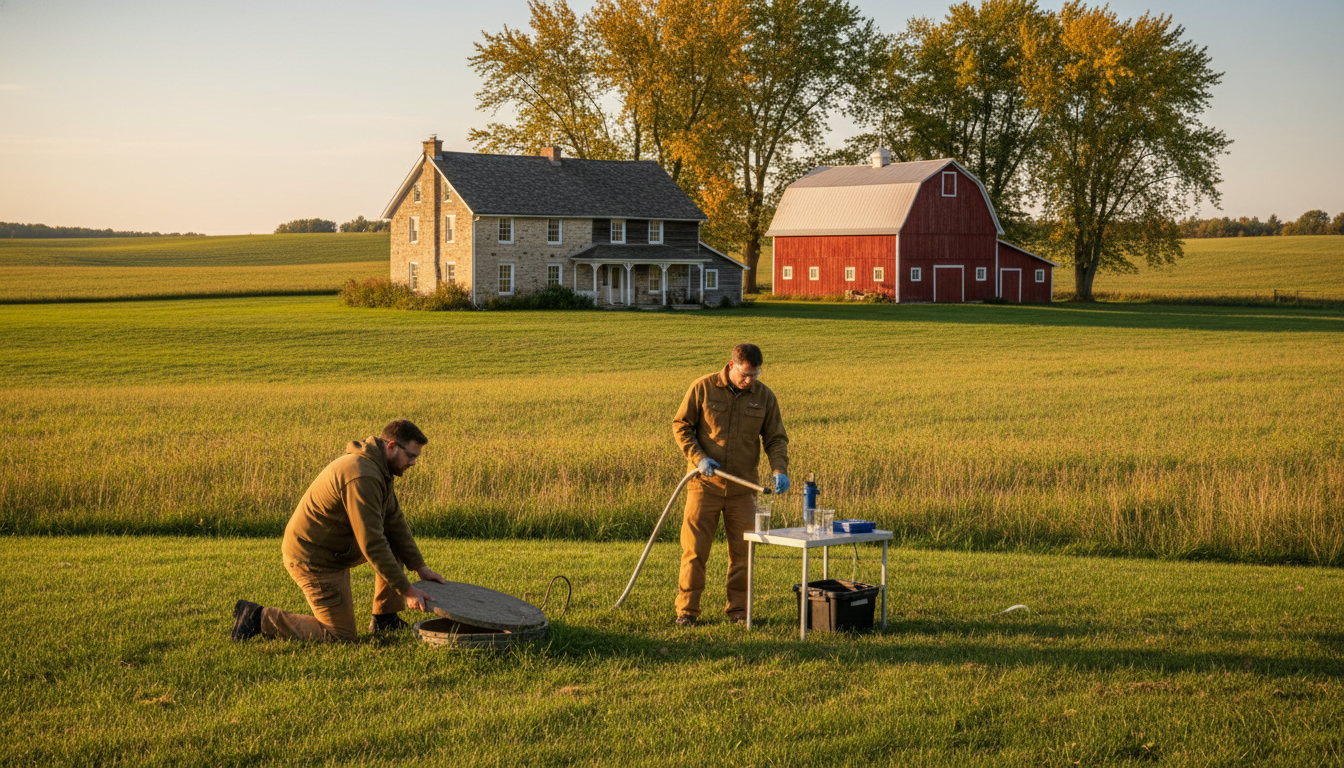
1) Septic system inspection and certification
Why it matters: Most rural homes in Georgetown use private septic systems. Buyers want assurance the septic isn’t failing, leaking, or at capacity. Municipal connections and repair costs can be six figures in some cases.
What inspectors check: tank condition, distribution box, saturated drain field, pump function, and evidence of backups. They also check for illegal connections and sizing versus property use.
How to use it when selling: Get a septic inspection and pump-out before listing. Fix or disclose issues upfront. If the system is certified, advertise it prominently — “Septic Inspected & Certified” pulls attention from buyers and agents.
Average cost (rough): $300–$700. Certification or dye tests can add cost. This small spend avoids bigger negotiations later.
Keywords to use: septic inspection Georgetown, septic certification Halton Hills.

2) Well inspection and water quality testing
Why it matters: Buyers depend on safe drinking water. Contaminants like bacteria, nitrates, or groundwater contamination from agricultural runoff are real risks.
What inspectors check: well depth, pump performance, pressure tank, and water clarity. Lab tests check bacteria (E. coli), nitrates, total coliforms, and local contaminants when needed.
How to use it when selling: Provide a recent lab report. If results show minor issues, offer options: water treatment, replacement, or price adjustments. If results are clean, advertise “Certified Well Water, Tested and Clear.”
Keywords to use: well inspection Georgetown, water test Halton Region.
3) Structural and foundation inspection (don’t skip this)
Why it matters: Unique or older rural houses and barns can hide structural problems. Buyers will press hard on foundation cracks, shifting floors, and roof loads — especially with luxury renovations.
What inspectors check: foundation condition, load-bearing walls, signs of settlement, visible rot, joists, and roof structure.
How to use it when selling: Order a structural report if anything looks off. Small repairs completed before listing can boost value more than their cost. Severe issues require disclosure and may need pricing strategy adjustments.
Keywords to use: foundation inspection Georgetown, structural inspection rural homes.
4) Roof, chimney and attic inspection
Why it matters: Roof failures and water damage create huge repair costs and insurance headaches. Buyers value a solid, dry roof.
What inspectors check: roof covering condition, flashing, gutters, ventilation, attic insulation, and signs of leaks or rot.
How to use it when selling: Replace or repair aging roofs and document the work. If the roof is good, include warranty info in your listing.
Keywords to use: roof inspection Georgetown, attic inspection Halton Hills.
5) Outbuildings, barns and accessory structures inspection
Why it matters: Barns, workshops, carriage houses and guest cottages are big selling points for rural luxury buyers — but only if they’re safe and usable.
What inspectors check: structural integrity, foundations, roofing, electrical safety, animal housing systems, and compliance with municipal bylaws.
How to use it when selling: Get an outbuilding inspection for any structure you’re marketing. Fix obvious safety issues. Demonstrate usable square footage and permitted uses — buyers value clarity.
Keywords to use: barn inspection Georgetown, outbuilding inspection Halton Hills.

6) Environmental and soil tests (including conservation and flood risk checks)
Why it matters: Rural land brings environmental risks: floodplain restrictions, wetlands, conservation authority rules, and contaminated soil from past agricultural use.
What to check: floodplain maps, Conservation Halton or Halton Region overlays, topsoil testing for contaminants, and an assessment of wetlands or habitat restrictions.
How to use it when selling: Disclose any conservation constraints up front. If you’ve done soil or environmental testing that clears the land, use it as a selling point for buyers who want to build or subdivide.
Keywords to use: environmental inspection Georgetown, floodplain check Halton Hills.
7) Boundary survey, utility easements and title search
Why it matters: Rural properties often have ambiguous boundaries, shared lanes, and buried pipe or utility easements. Disputes kill deals.
What to check: updated survey, encroachments, rights-of-way, and easements. Include municipal utility access and road maintenance agreements.
How to use it when selling: Provide a recent survey and explain easements in the listing documents. If a dispute exists, resolve it or disclose it clearly to avoid last-minute deal collapses.
Keywords to use: boundary survey Georgetown, easement check Halton.
Bonus inspections for luxury and unique properties
- Insurance inspection: Some carriers require historic home inspections or upgrades for high-value properties.
- Energy and mechanical systems: Geothermal, solar arrays, backup generators, and HVAC systems deserve specialist checks.
- Heritage and ordinance review: If the property is heritage-designated or in a conservation area, a heritage review can save buyers time.
How to sequence inspections for maximum selling power
- Start with septic and well tests — buyers trip on water and wastewater issues first.
- Run a full structural and roof inspection.
- Get environmental and survey checks if you plan to market land use, acreage, or development potential.
- Inspect outbuildings and specialty systems last, but before listing photos and showings.
This order lets you fix or disclose high-impact issues, avoid surprises during buyer due diligence, and keep control of negotiations.

Pricing and disclosure strategy
- Full pre-listing inspections: Sell confidence. Price higher, shorten conditional periods, and attract premium buyers.
- Limited disclosures (no inspections): Lower price, accept longer conditional periods and higher likelihood of renegotiation.
For luxury and unique rural properties in Georgetown, the first option wins more often. High-net-worth buyers want certainty and speed. A clean inspection package saves time and protects your asking price.
Finding the right inspectors in Georgetown and Halton Hills
Look for licensed, insured inspectors with rural experience. Ask for references on septic work, well testing, barns, and environmental reports. If you plan to market equestrian or farm features, hire specialists with that background.
Check with Conservation Halton and Halton Region for maps and local constraints. They’ll flag floodplains, regulated areas, and permitted uses.
Real results: why sellers who inspect win
Sellers who bring clean inspection reports to market:
- Close faster.
- Face fewer renegotiations.
- Net a higher sale price.
Buyers qualifying for mortgages or planning renovations want certainty. Present certainty and the buyer pays for the privilege.
Local edge: selling rural, luxury and unique homes in Georgetown, ON
Georgetown buyers expect privacy, land use clarity, and turnkey systems. When you present a full inspection package, local agents and buyers see your listing as professionally managed and move faster. That matters in Halton Hills, where land, conservation rules, and high-end buyers demand transparency.
If you’re ready to sell, I analyze which inspections to run, find trusted local inspectors, and craft a listing that highlights inspection wins to attract premium buyers.
Contact: Tony Sousa — Local Realtor specializing in Rural, Luxury & Unique Property Sales in Georgetown, ON.
Email: tony@sousasells.ca
Phone: 416-477-2620
Website: https://www.sousasells.ca

FAQ — Sellers’ top questions about rural home inspections in Georgetown
Q: Should I pay for inspections before I list?
A: Yes. For luxury and unique rural properties, pre-listing inspections are an investment not a cost. They increase buyer confidence, shorten conditional periods, and reduce renegotiations. The small upfront expense typically returns in a higher net sale price and faster closing.
Q: Who pays for septic and well inspections?
A: The seller usually orders and pays for pre-listing inspections. Buyers often request their own tests during conditions, but having a recent seller-paid report sets a baseline and reduces friction.
Q: How long are inspection reports valid?
A: Technically an inspection reflects the property’s condition at the time of inspection. For water testing, lab results are current for weeks; structural and roof reports last much longer. If you have older reports, consider re-testing if more than 6–12 months have passed.
Q: What if inspections reveal major issues?
A: Decide whether to repair, reduce price, or disclose and let buyers assume responsibility. For luxury sellers in Georgetown, targeted repairs that restore functionality and aesthetics often pay off. Use your agent to weigh ROI on each repair.
Q: Do conservation rules affect saleability?
A: They can. Conservation Halton or municipal overlays may restrict building envelopes, septic placement, and land use. Disclose these early. If you’ve already confirmed permitted uses or secured environmental reports, market that clarity as a benefit.
Q: Can a buyer insist on more inspections?
A: Yes. Buyers can request independent inspections during the conditional period. A pre-listing inspection reduces the scope and frequency of buyer-ordered tests because major issues are already documented.
Q: What about heritage homes or old barns?
A: Hire specialists. Heritage properties need heritage appraisals and possibly approvals for alterations. Old barns need timber and structural assessments. Doing these before listing keeps your sale on track and preserves value.
Q: How much should I budget for all inspections?
A: Basic package (septic, well, structural, roof): expect $1,200–$3,000. Add environmental, survey, and specialty inspections for another $1,000–$3,000 depending on scope. For luxury estates with multiple outbuildings, budget more. The cost is small compared to price adjustments after poor inspections.
Q: How do inspections affect insurance?
A: Insurance companies may require updates for older systems, roofs, or certain outbuildings. A current inspection helps you forecast insurance issues and, if needed, secure coverage before closing.
Q: How do I choose inspectors in Georgetown?
A: Ask your agent for local referrals. Choose licensed, insured pros with rural experience and strong references. Verify lab credentials for water testing and licensing for septic work.
Selling a rural, luxury or unique property in Georgetown, ON requires more than curb appeal. It demands proof. Inspections are the proof. Run them early, fix what has clear ROI, and market the reports. You’ll sell faster and for more.
Ready to get your inspection strategy and pre-listing package? Contact Tony Sousa at tony@sousasells.ca • 416-477-2620 • https://www.sousasells.ca