What is the role of a notary or lawyer at
closing?
They Won’t Tell You This About Closing: What a Notary or Lawyer Actually Does at Your Georgetown Home Closing
Why this matters: if you’re selling a home in Georgetown, ON, one mistake at closing can cost you thousands, delay your sale, or leave you legally exposed. The notary or lawyer at closing is not a formality. They’re your last line of defense.
The blunt truth — what a notary or lawyer does (and why it matters)
In Ontario, most real estate closings are handled by a real estate lawyer or a licensed paralegal who practices real estate law. A notary public can witness and certify documents but usually won’t run your closing. That distinction matters. If you hire the wrong person, paperwork or title problems can come back to bite you.
Here’s what a competent closing lawyer does for a seller in Georgetown, ON:
- Verifies the title is clear and free of liens or judgments. That prevents surprises after closing.
- Prepares and reviews the final deed/transfer documents so ownership transfers cleanly.
- Produces the Statement of Adjustments — calculates property tax, utility, and condo fee adjustments so you get paid the right amount on closing day.
- Coordinates mortgage discharge or payout to your lender. Mistakes here can mean double payments or delayed closing.
- Registers the transfer of title at the land registry office (now electronic in Ontario). That completes the legal sale.
- Holds closing funds in trust, disburses proceeds (payoff mortgages, realtor commission, legal fees, liens), and sends your net proceeds to you.
- Communicates with the buyer’s lawyer to resolve last-minute issues.
- Reviews all closing documents with you, explains what you’re signing, and collects signatures.
- Ensures compliance with Ontario rules: identity verification, money laundering checks, anti-fraud measures.
If any of these steps fail, the seller bears the risk. That’s why the lawyer is not optional.
Local realities in Georgetown, ON — what changes here
Georgetown is part of Halton Hills. Local nuances that matter to sellers:
- Property taxes and adjustments: municipal and regional tax calendars affect prorations. Your lawyer ensures you don’t overpay or under-collect on taxes.
- Utility final reads: coordinate final gas, hydro, water readings and final bills so adjustments are accurate.
- Title quirks: older Georgetown properties sometimes have legacy easements or municipal agreements. A local lawyer knows where to look.
- Timing and logistics: many buyers and lenders expect electronic registration and e-transfers. Your lawyer must be set up for modern closings.
A local real estate lawyer who works in Halton Region regularly will prevent slowdowns and unexpected costs.
The step-by-step closing process — what happens on closing day (seller’s view)
- Finalize paperwork early: your lawyer prepares the deed, Statement of Adjustments, mortgage discharge documents, and closing memo a day or two before closing.
- Funds transfer: buyer’s lawyer sends cleared funds or confirms mortgage funds. Your lawyer holds those funds in trust.
- Payoffs and disbursements: your lawyer uses the trust funds to pay your mortgage balance, any liens, realtor commissions, and closing costs.
- Register transfer: buyer’s lawyer registers the transfer and mortgage (if applicable) electronically with Ontario’s land registry.
- Disburse funds: once registration and confirmations are complete, your lawyer releases the net proceeds to your account or issues a cheque.
- Handover: you hand over keys per your sales agreement or coordinate with your realtor. Your lawyer ensures the legal formalities are done.
If money or documents aren’t in place, registration won’t happen. That delays the whole chain.

Common problems sellers face — and how the lawyer prevents them
- Surprise liens or judgments: A title search catches these. Your lawyer clears or negotiates them before closing.
- Incorrect payoffs: A bad payoff figure from your lender can leave you responsible. The lawyer confirms exact amounts.
- Unpaid municipal accounts or work orders: Your lawyer checks with the municipality and adjusts the statement.
- Mortgage discharge errors: The lawyer ensures the mortgage is properly discharged so title is clean for the buyer.
- Fraud and identity theft: Lawyers follow strict ID and trust-account rules to prevent wire fraud. They’ll confirm wiring instructions, not via email.
These are not hypotheticals. Every one of them has stopped closings in the Greater Toronto Area. You need a lawyer who anticipates problems, not one who trips over them.
Costs and timing — what sellers should expect to pay
- Seller legal fees: expect a straightforward residential sale in Georgetown to run between $500 and $1,500 plus HST depending on complexity. If mortgage discharges or complex title issues exist, fees rise.
- Disbursements: registry fees, courier fees, bank drafts — usually a few hundred dollars.
- Real estate commissions: negotiated with your agent but typically the largest single payout on closing day.
- Timing: lawyers typically require 24–72 hours notice to finalize closing. Last-minute changes increase costs and risk.
Want exact numbers for your property? Contact Tony Sousa for a clear breakdown for your situation in Georgetown.
How to pick the right lawyer or closing professional in Georgetown
Use this checklist:
- Local experience: they handle Halton Region closings weekly.
- Real estate specialization: not generalists. Look for a lawyer or licensed paralegal focused on real estate.
- Clear fees and written estimate: no surprises.
- Communication: they explain stuff simply; they don’t bury you in legalese.
- Trust setup for electronic funds and prompt disbursements.
Tip: your realtor should recommend a reliable local real estate lawyer they’ve worked with. But you always have the right to choose your lawyer.
What a notary can and can’t do in Ontario closings
A notary public can witness signatures and notarize documents. In Ontario, full-service real estate closings are usually handled by real estate lawyers or licensed paralegals who have the authority and access to register title changes. If someone offers to act as your closing “notary” and handle everything, verify credentials. You want a real estate lawyer or licensed paralegal who understands registration, mortgages, and the Statement of Adjustments.
How to make closing day smooth — seller checklist
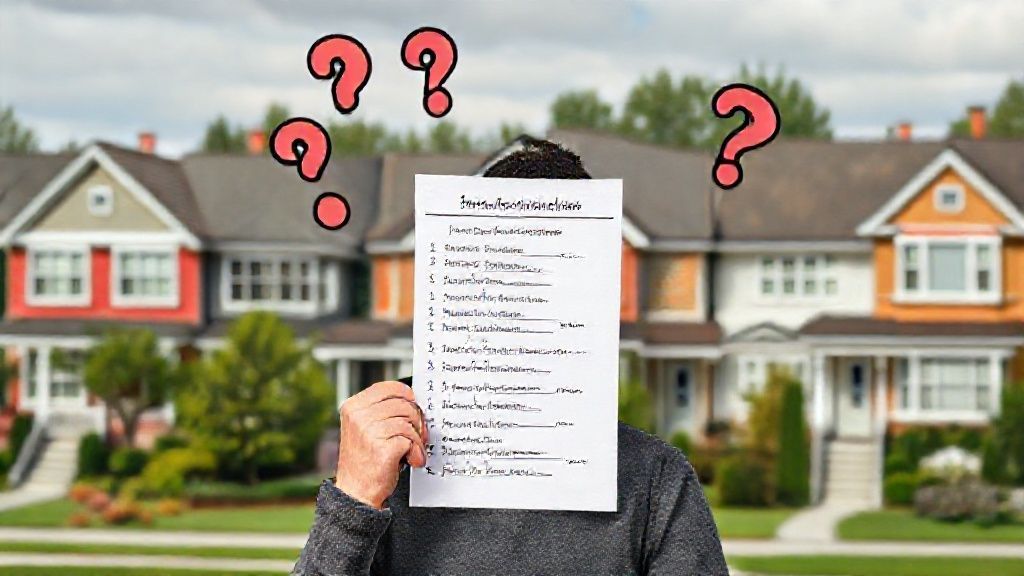
- Provide your lawyer with ID and any mortgage documents early.
- Confirm mortgage payoff info and whether there are prepayment penalties.
- Book a final meter reading and provide the results to your lawyer.
- Remove personal property or clarify what’s included in the sale.
- Confirm possession and key handover plan with your realtor.
- Confirm wiring instructions by phone with your lawyer — do not rely solely on email.
Follow these steps and you’ll avoid 80% of closing-day headaches.
Why local expertise matters — not just any lawyer will do
Real estate law is local. Different municipalities have different processes and quirks. A lawyer who closes deals in Georgetown knows the local registry practices, typical title issues, and municipal adjustments. That local experience saves you money, time, and stress.
If you want a real-world advantage, work with a realtor who coordinates tightly with an experienced Georgetown real estate lawyer.
Call to action — get this done right
Selling a home is a high-stakes transaction. Don’t gamble on paperwork or a last-minute problem. If you’re selling in Georgetown, ON, get expert local help so you leave closing confident and with your money in your account.
Contact Tony Sousa for a clear, no-nonsense plan for your closing and a trusted lawyer referral in Georgetown:
- Email: tony@sousasells.ca
- Phone: 416-477-2620
- Website: https://www.sousasells.ca
Ask Tony for a free seller closing checklist tailored to Georgetown.
FAQ — quick answers for Georgetown home sellers
Q: Do I need a lawyer to sell my home in Georgetown?
A: Yes. In Ontario, a lawyer or licensed paralegal handles title transfer, registration, and closing funds. A notary public alone is usually not sufficient for a full closing.
Q: How much will lawyer fees be for a typical Georgetown sale?
A: Expect $500–$1,500 plus HST for a straightforward sale. Complex files or mortgage discharges can increase fees.
Q: Who pays closing costs when selling?
A: Sellers typically pay legal fees, payout of existing mortgage(s), realtor commission, and any agreed-upon closing adjustments. Buyers pay land transfer tax and their lawyer’s fees.
Q: What is a Statement of Adjustments?
A: It’s a final accounting that prorates property taxes, utilities, condo fees, and other costs so each party pays their share up to closing.
Q: Can the buyer change the closing date?
A: It depends on the purchase agreement. Both parties must agree to changes. If the change causes additional costs, those must be negotiated.
Q: How long does the lawyer take to release my net proceeds?
A: After registration and confirmation of funds, most lawyers disburse proceeds within 24–48 hours. Timing can vary if there are holds or outstanding issues.
Q: What if there is a lien on my property?
A: Your lawyer will identify the lien during title search and either arrange payment from closing funds or resolve it before registration.
Q: Can I wire funds to the buyer directly?
A: No. All closing funds should flow through lawyers via trust accounts to protect both parties and prevent fraud.
Q: What documents should I bring to my lawyer?
A: Government ID, mortgage documents, deed (if available), keys, any guarantees or warranties you’re assigning, and details of any outstanding work orders or municipal notices.
Q: How do I find a reliable Georgetown real estate lawyer?
A: Ask your realtor for local referrals, check online reviews, and confirm they specialize in real estate and work regularly in Halton Region.
If you want a fast, no-fluff review of your closing plan or a vetted Georgetown lawyer referral, contact Tony Sousa right now: tony@sousasells.ca | 416-477-2620 | https://www.sousasells.ca
Sell smart. Close clean. Move on.