
Can I fix issues before listing?
Can fixing inspection issues before you list in Georgetown double your sale speed and net? Yes — if you do the right fixes in the right order.
Quick answer: yes — but with a plan
You can and should fix many issues before listing. The goal is simple: make the home appear move-in ready to the right buyer, avoid appraisal problems, and limit surprises that kill deals. Do the wrong repairs or overspend and you’ll lose money. Do the right ones and you’ll shorten time on market, avoid price drops, and keep negotiation leverage.
This article walks sellers in Georgetown, Ontario through exactly what to fix, what to skip, and how to get the highest return on your investment. Follow this, and you’ll list with confidence.
Inspection vs appraisal — know the difference
- Home inspection: done by a licensed home inspector to evaluate condition and safety. Buyers order this to find defects.
- Appraisal: done by a lender or appraiser to confirm market value. The appraiser looks at condition but focuses on comparable sales and overall value.
Fixes requested by a buyer usually come from inspection findings. If a major issue appears on the inspection, a buyer may demand repairs or walk. If the appraiser finds severe defects that change value, the buyer’s lender can pull financing unless the problem is addressed.

Local market context — why Georgetown is different
Georgetown buyers expect quality. Homes here often attract commuters to the GTA and buyers who value schools and neighborhood stability. That means many buyers are willing to pay for move-in readiness. Older homes in Georgetown may show wear from time and weather; strategic repairs are especially important.
A simple decision framework before you spend money
- Get a pre-listing inspection. It’s cheap insurance. You’ll know what buyers will find.
- Categorize issues: safety, systems, structural, cosmetic. Prioritize in that order.
- Estimate cost and impact on sale price. High-impact, low-cost fixes come first.
- Decide: fix, disclose, or adjust price/offer seller credit.
High-return repairs you should almost always do
- Safety issues: electrical hazards, broken railings, trip hazards, smoke and CO alarms. These stop deals and can create legal exposure.
- Water intrusion and roof leaks: buyers fear water. Fix small leaks and ensure gutters/downspouts are functional.
- Major system repairs that affect financing: if the furnace, hot water heater, or septic is failing, lenders may require replacement. Fix or provide a plan in writing.
- Mold and pest remediation: these trigger huge objections. Remove mold source and remediate properly.
- Broken windows or doors: they signal neglect and reduce appraisal value.
Good cosmetic fixes with strong ROI
- Fresh neutral paint inside and touch-ups outside. Paint is one of the cheapest ways to refresh.
- Clean, declutter, and stage key rooms: kitchen, living room, master bedroom. Buyers remember first impressions.
- Minor kitchen and bathroom updates: new cabinet hardware, updated faucets, reglazed tub if needed.
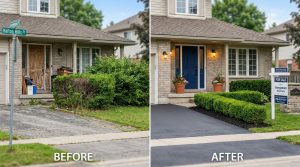
- Curb appeal: lawn, trimmed hedges, fresh mulch, a clean walkway and a welcoming front door.
Fixes to avoid or consider carefully
- Over-improving for the neighborhood: don’t install a $40k kitchen if nearby comparable homes don’t support that price.
- Full basement renovations with questionable return. If you’ll overcapitalize, consider selling as-is and pricing competitively.
- Luxury upgrades that target a niche buyer unless your market supports it.
Repair or platform: when to disclose instead
If a repair is extremely costly with limited impact on sale price, another option is to disclose the issue and adjust the price or offer a credit. This keeps you honest, speeds the sale, and shifts the remediation to the buyer when appropriate.
Timing: when to get the inspector and appraiser
- Pre-listing inspection: 2–4 weeks before listing. This gives time for estimates and repairs without delaying your launch.
- Pre-listing appraisal (optional): if you’re unsure about pricing or suspect appraisal issues, get an appraisal after important repairs are done and before final price is set.
How to manage repairs efficiently in Georgetown
- Use local pros familiar with Halton Hills standards and permits. They’ll advise what needs a permit and what doesn’t.
- Get 2–3 quotes for major work. Always ask for a written scope and timeline.
- Prioritize licensed trades for electrical, gas, roofing, and structural work.
- Retain receipts and warranties — provide these to buyers to build trust.
Pricing strategy after repairs
- If you fix major items, price at or slightly above market to capture added value.
- If you choose to sell as-is and disclose issues, price slightly below comparable move-in-ready homes and be transparent in the listing.
- Consider offering a pre-inspection report as part of the listing. This can justify a higher asking price and reduce renegotiation risk.
Appraisal pitfalls and how to avoid them
- Appraisers compare to recent sales. If your renovated home exceeds neighborhood norms, the appraiser may not support a higher value.
- Avoid cheap-looking cosmetic work. An appraiser will notice poor finishes and may discount value.
- Document everything. If you have invoices, permits, and professional reports, give copies to the appraiser to support your case.
A practical checklist to use this week (print and use)
- Order pre-listing inspection.
- Fix immediate safety concerns (electrical, railings, alarms).
- Repair leaks and fix gutters/downspouts.
- Patch holes, paint walls in neutral tones.
- Replace holdout items: broken windows, leaky faucets, burned-out lights.
- Deep clean and declutter, remove personal photos.
- Improve curb appeal: power wash siding, mow lawn, trim hedges.
- Get 2–3 contractor quotes for major items.
- Gather invoices, warranties, and permit documents.
Pricing and negotiation levers to keep after repairs
- Present a completed work summary and warranties during showings.
- Offer a short pre-listing inspection report to buyers and their agents.
- Use repairs to justify your asking price and reduce seller concessions.

When to sell as-is and accept lower offers
Sell as-is when: the cost to fix exceeds the likely increase in sale price, or repairs would take months and you need to sell quickly. Be transparent in your listing and expect buyers to come with finance or inspection contingencies.
Final push: get expert local guidance
Georgetown is its own market. The right repairs depend on your street, price band, and buyer profile. Consulting a local listing agent who understands Halton Hills and Toronto-area buyers will save you money and time. A local expert will tell you which projects will move the needle and which will not.
Contact for a fast pre-listing plan
Want a no-nonsense plan customized for your Georgetown home? I’ll outline which repairs to do, which to skip, and how to maximize sale price and speed. Email tony@sousasells.ca or call 416-477-2620. Visit https://www.sousasells.ca for more resources.
FAQ — Common seller questions about inspections, appraisals, and fixes in Georgetown
Q: Should I pay for a pre-listing inspection?
A: Yes. It reveals issues buyers will find, lets you fix or price accordingly, and reduces the chance of a last-minute deal breaker.
Q: Will fixing everything guarantee a higher sale price?
A: Not always. Fix safety and systems first, then high-ROI cosmetic items. Avoid over-improving for the neighborhood.
Q: Do I have to disclose problems I fix before listing?
A: Disclose known material defects per Ontario rules. If you repair something, keep receipts and disclose the original issue and the fix.
Q: Can an appraiser force me to make repairs?
A: An appraiser can note defects that affect value. Lenders may require fixes for financing. Address issues that affect system function or safety before listing.
Q: How much should I budget for pre-listing repairs?
A: Budgets vary. Many sellers spend a few hundred to a few thousand on high-impact fixes. Major system replacements can cost more — get quotes before committing.
Q: Should I get permits for repairs?
A: If a repair requires a permit (electrical, plumbing, structural), get the permit. Buyers and appraisers will ask for proof of legal work.
Q: What if my inspection exposes major issues?
A: Get contractor estimates, disclose the findings, and either repair, offer a credit, or adjust price. A local agent can advise which path is best for your market.
Q: Are small cosmetic fixes worth it?
A: Yes. Fresh paint, clean floors, and staged rooms create a strong first impression and often shorten time on market.
Q: Does pre-listing help with appraisal?
A: Yes. Completed, documented repairs reduce appraisal risk. Provide invoices and permits to the appraiser.
Q: Should I hire a local contractor or a chain provider?
A: Use reputable local pros for better knowledge of local code and resale expectations. Get multiple quotes.
Q: How much time do repairs add to my selling timeline?
A: Small fixes: a few days. Major repairs: 2–6 weeks, depending on permits and contractor availability. Plan your listing timeline accordingly.
Q: What’s the single most valuable thing a seller can do?
A: Fix safety and system issues, then invest in clean, neutral staging and curb appeal. That combination moves offers and reduces renegotiation.
Contact tony@sousasells.ca | 416-477-2620 | https://www.sousasells.ca