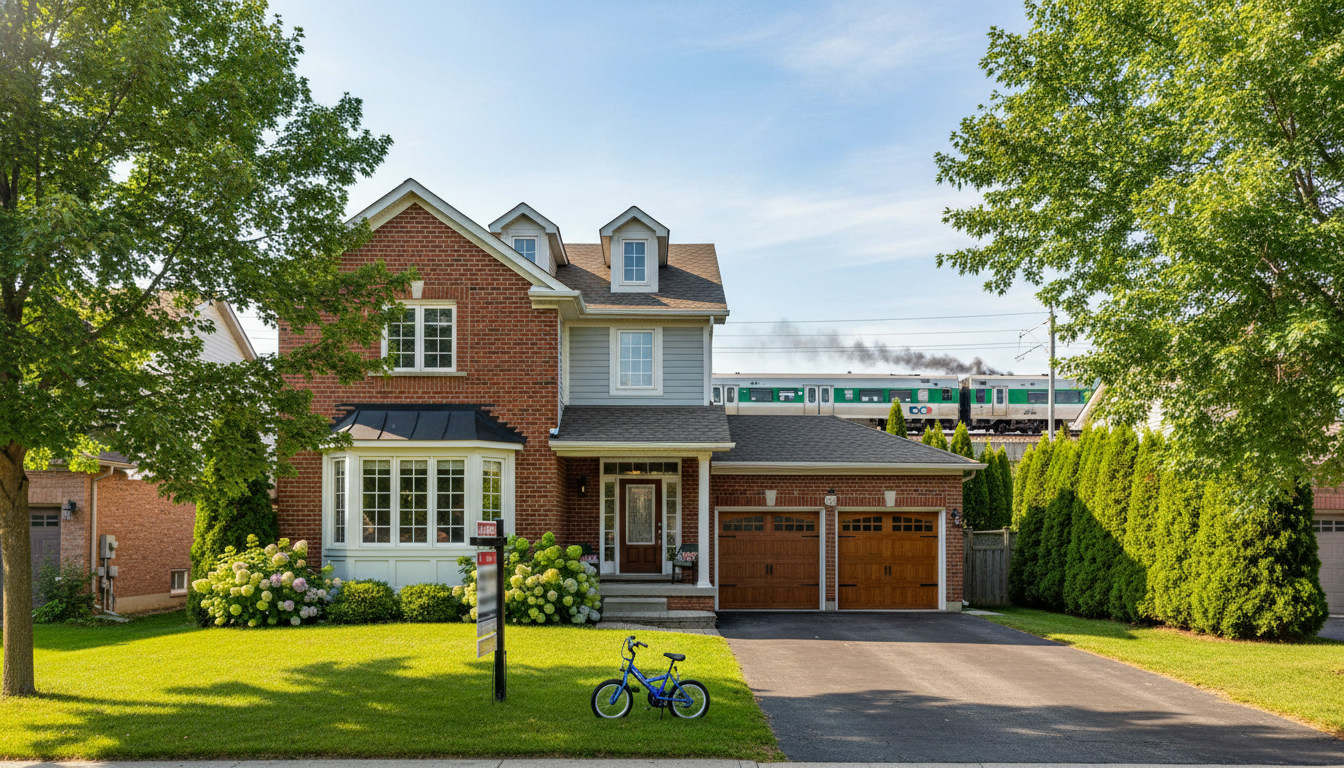
What are common mistakes for first-time
property investors?
Want to avoid the rookie moves that wreck investment and resale value? Read this first.
Why this matters in Georgetown, ON
If you’re selling a home in Georgetown, Ontario, or thinking about your first investment property here, one wrong move can shave tens of thousands off your resale price. Georgetown is a commuter hub with a tight housing supply, older stock, and buyer priorities that shift faster than a Toronto market headline. That creates huge opportunity — but only if you avoid common investor mistakes.
This article lays out the mistakes first-time investors make, shows exactly how each one hurts investment and resale value in Georgetown, and gives clear, no-fluff actions sellers can use right now.
The mindset: own the math, not the emotion
Investing in property is math, not romance. Buyers in Georgetown care about commute time to the GO Train, schools, mature neighbourhoods, usable yard, and low maintenance. If your decisions ignore those facts, you’re selling hope instead of value. Hope doesn’t command top dollar.
11 common mistakes first-time property investors make — and what they mean for resale value in Georgetown
1) Buying without local comps or context
Mistake: Relying on generic market data or dreams instead of Georgetown-specific comparable sales.
Impact: Overpaying on purchase or investing in features buyers here don’t value. That reduces profit margin and forces price cuts at resale.
Action: Pull 6–12 months of sold comps within a 1 km radius and similar lot size. Adjust for school zones and GO access.
2) Choosing the wrong neighbourhood for your strategy
Mistake: Treating all Georgetown neighbourhoods the same.
Impact: A renovation that appeals in downtown Toronto won’t always convert in Georgetown. Location dictates what buyers will pay.
Action: Match strategy to micro-market: downtown/core buyers want walkability and transit; family suburbs want yards, schools, and safe streets.
3) Over-improving relative to the street
Mistake: Spending on luxury finishes that exceed neighbourhood norms.
Impact: You chase a buyer who doesn’t exist in that price band. The house sits or sells below pro-rated renovation cost.
Action: Renovate to the median of nearby comparable homes. Invest in high-ROI items: kitchens, bathrooms, curb appeal, and structural fixes first.
4) Underestimating carrying and holding costs
Mistake: Ignoring taxes, insurance, utilities, mortgage carrying costs, and seasonal vacancies.
Impact: Cash flow drains; forced sale or rushed listing that sacrifices price.
Action: Calculate worst-case 6–12 month carrying cost before buying. Add 10% contingency for Ontario property tax adjustments.
5) Skipping or skimping on inspections and permits
Mistake: Buying “sight unseen” or skipping building permits and inspections.
Impact: Hidden defects lead to expensive repairs, delayed closings, and lower appraisal values.
Action: Always complete a municipal search, group home inspection, and confirm permits for past renovations. In Georgetown, older homes often hide knob-and-tube wiring and unpermitted additions.
6) Wrong financing structure
Mistake: Using high-interest short-term loans or balloon payments without an exit plan.
Impact: Artificially high expenses reduce net profit and can force rushed sales when payments reset.
Action: Lock conservative financing or secure bridge financing with a clear 6–12 month exit strategy.
7) Ignoring local rental and zoning rules
Mistake: Assuming rental income or basement suites are always legal and profitable.
Impact: Ontario tenant laws and Halton Hills bylaws can restrict short-term rentals and basement units — making expected income unreliable and scaring buyers down the road.
Action: Check Halton Hills zoning, building codes, and rental bylaws. Factor legal rental income conservatively.
8) Neglecting curb appeal and staging
Mistake: Focusing only on inside finishes and forgetting first impressions.
Impact: Buyers form a decision in seconds. Poor curb appeal reduces offers and time on market.
Action: Spend on landscaping, fresh paint, clean walkways, and professional staging targeting Georgetown buyer profiles.
9) Overestimating rental demand from commuters
Mistake: Counting on transient Toronto commuters without checking local transit schedules or trends.
Impact: If GO service changes or commute expectations shift, rental demand drops. Vacancy hurts returns and resale timing.
Action: Verify GO Train schedules, parking plans, and local transit projects. Price for longer vacancy windows if uncertain.
10) Emotional buying and poor exit planning
Mistake: Falling in love with a property and ignoring exit strategies.
Impact: Emotion clouds pricing and forces poor sales decisions when the market moves.
Action: Define your exit plan before purchase: hold length, resale triggers, target ROI, and acceptable loss. Stick to it.
11) Poor marketing and pricing at resale
Mistake: Pricing emotionally, using weak photos, or listing at the wrong time.
Impact: Lower offers, low-bid wars, or long days on market that reduce final sale price.
Action: Use local market data to pick a price that creates urgency. Invest in pro photos, drone shots, and targeted digital ads aimed at Georgetown buyers.
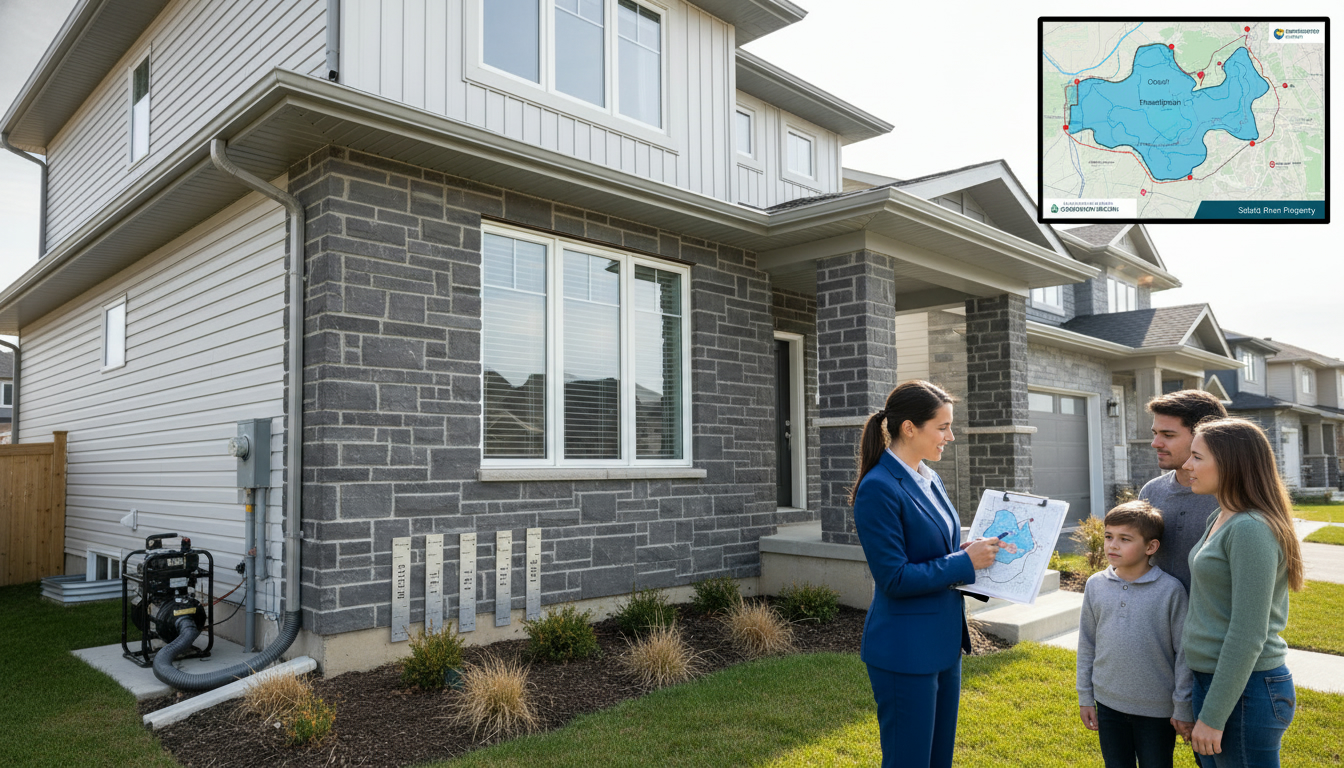
How these mistakes uniquely affect Georgetown resale value
- Older housing stock: Georgetown has many homes from mid-1900s. Unpermitted renovations today become buyer red flags tomorrow. Always confirm permits.
- Transit-driven buyer pool: Proximity to the GO Train increases demand but also raises buyer expectations for parking and modernized interiors.
- Family-focused buyers: Buyers often prioritize schools and yards. Skipping yard improvements or adding only high-end urban finishes limits appeal.
- Tight supply, selective buyers: A mistake can cost you a competitive edge. In a small market, reputation and presentation move price more than in a big city.
In short: local details matter. Misread the market and you don’t just lose cash — you lose buyer trust and momentum.
A practical checklist sellers can use today (Georgetown-focused)
- Pull 12 months of sold comps within 1 km, note sale price per sq. ft.
- Confirm school catchment and highlight it in the listing if favourable.
- Order municipal property search and confirm permits on past renos.
- Prioritize repairs: roof, furnace, plumbing, and electrical.
- Invest in curb appeal: tidy yard, painted trim, clean driveway.
- Stage for the buyer who actually buys in your neighbourhood (families vs commuters).
- Price to create urgency: competitive pricing outperforms overpricing in small markets.
- Prepare a 2-page feature sheet with transit times to Toronto (GO), nearby schools, parks, and shopping.
Pricing strategy that protects resale value
Price too low: you leave money on the table. Price too high: you sit and decay value. The right tactic for Georgetown is data-backed aggressive pricing that targets the buyer pool likely to pay top dollar, not the buyer you hope will appear.
- Anchor price to local comps, not to renovation invoices.
- Offer a first-week pricing incentive (e.g., pre-listing inspection report) to attract serious buyers fast.
Real examples (short): What I see in Georgetown
- Renovation overkill: High-end kitchen in a modest street. House sat for months and sold for less than comparable average-level kitchens. Buyer paid for location, not marble.
- Unpermitted basement suite pitched as rental income: Buyers pulled back at offer after discovery. The sale stalled and closed well under asking.

Final rule: make every decision through the resale lens
If you can’t justify an expense by how it increases resale demand among Georgetown buyers, don’t do it. Focus on the top drivers: location, schools, low maintenance, parking, and curb appeal.
Frequently Asked Questions (FAQ)
Q: What renovations give the best return in Georgetown?
A: Kitchens and bathrooms that match neighbour quality, full roof and mechanical updates, basement waterproofing, and curb appeal. Avoid ultra-luxury finishes that exceed the block.
Q: Can I count on renting my property to Toronto commuters?
A: Partly. Georgetown benefits from GO access, but verify schedules and parking. Price conservatively for vacancy and consider targeting families who will buy, not just renters.
Q: How important are permits for resale?
A: Extremely. Unpermitted work scares buyers and lenders. Always confirm any prior permits and include municipal records in your disclosure.
Q: Should I stage my home for sale in Georgetown?
A: Yes. Staging targeted at local buyer profiles (families, commuters) shortens time on market and increases offers.
Q: How do I pick the right listing price?
A: Base it on 6–12 months of local comps, adjust for condition, and test demand with a short marketing blitz. If you have to choose, price slightly aggressive to attract immediate traffic.
Q: What’s the single biggest mistake sellers make?
A: Treating updates as personal taste rather than buyer-driven improvements. The buyer doesn’t pay for your style choices.
If you want a Georgetown-specific comparables report, permit check, or an honest renovation ROI plan tailored to your street, get in touch. Tony Sousa is a top local realtor who knows what buyers will pay for in Georgetown and how to convert investor mistakes into selling wins.
Contact: tony@sousasells.ca | 416-477-2620 | https://www.sousasells.ca
Author: Tony Sousa — Local Realtor, Georgetown, ON. Practical. Direct. Results-oriented.