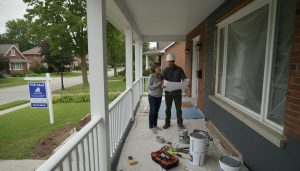
Are permits required for major renovations in
Ontario?
Shocking: Do You Need a Permit for Major Renovations in Ontario? (If you’re selling in Georgetown — read this now)
Quick Answer: Yes — Most Major Renovations Require Permits in Ontario
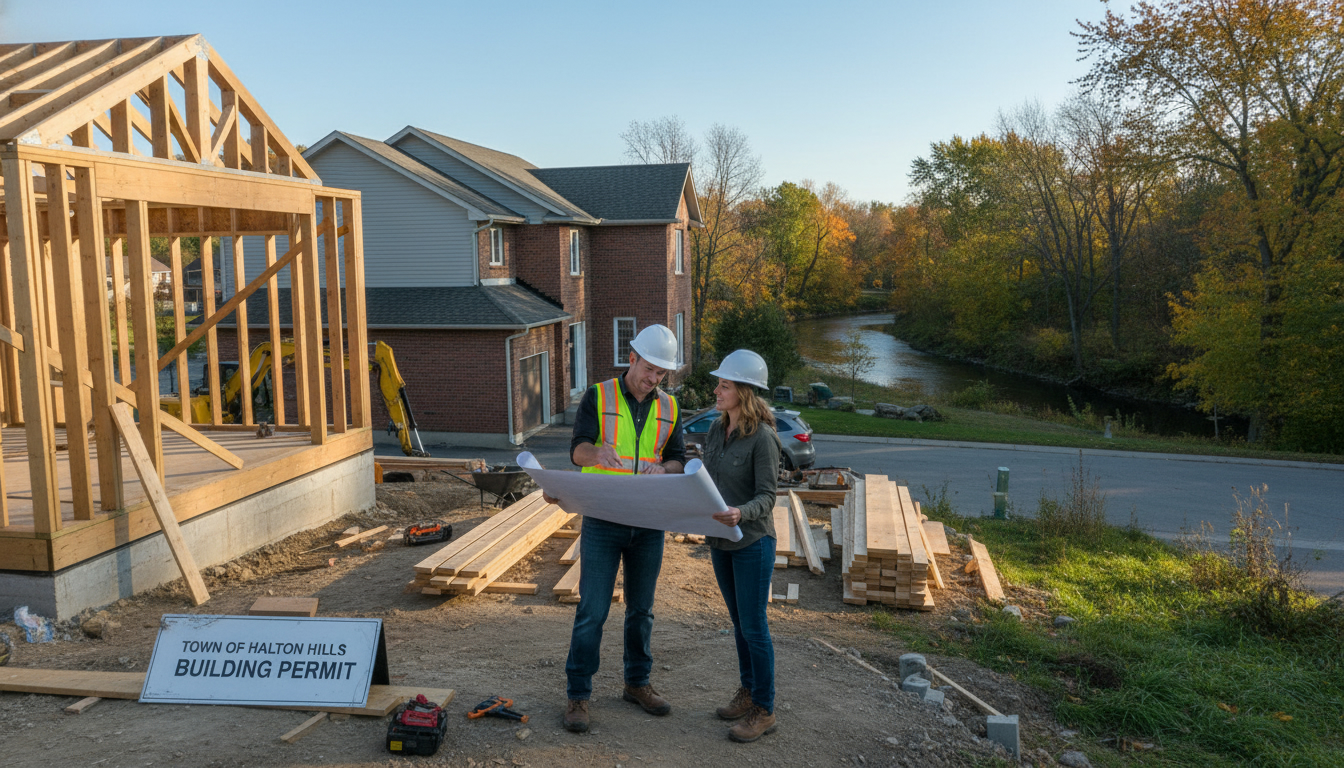
If you’re doing structural changes, adding square footage, changing plumbing, altering electrical systems, installing or removing load-bearing walls, building a deck over a certain height, or adding a basement suite — you almost certainly need a building permit. The Ontario Building Code sets the rules. Municipalities like the Town of Halton Hills enforce them. For Georgetown home sellers, unpermitted work can kill a sale, destroy buyer trust, and cost you far more than the permit fee.
Why this matters if you’re selling your Georgetown home
You’re selling a house — not a gamble. Buyers, lenders, and insurers expect the paperwork to match the property. Unpermitted renovations create three immediate problems:
- Financing risk: Lenders may refuse a mortgage, delay funding, or demand remediation before closing.
- Insurance gaps: Insurers can deny claims or cancel coverage for work done without permits.
- Legal and closing headaches: Buyers can ask for price reductions, walk away, or force remediation through conditions.
If you want a clean, fast sale in Georgetown, you either confirm work is permitted or you fix it on your terms before listing.
What counts as a “major renovation” that needs a permit
The Ontario Building Code and Town of Halton Hills rules focus on safety and structure. Typical renovations that require permits:
- Additions and new rooms (any increase in square footage)
- Structural changes (removing or altering load-bearing walls)
- Basement conversions (living space, bedrooms, rental suites)
- Major electrical upgrades (service change, new panels — often requires ESA notification)
- Plumbing and drainage changes (moving bathrooms, adding new lines)
- HVAC, furnace or gas line changes (may require TSSA or licensed contractor involvement)
- Demolition of structural elements
- Pools and large decks (height and setback rules apply)
Cosmetic work — painting, flooring, replacing cabinets — usually does not need a permit. But once work touches structure, systems, or increases occupancy, it becomes a permit issue.

Georgetown and Halton Hills specifics you must know
Georgetown sits inside the Town of Halton Hills. That matters. Local rules, permit fees, and approval timelines vary by municipality.
- Building permits in Georgetown are issued by the Town of Halton Hills Building Division. Expect plan reviews, application forms, drawings, and fees.
- Some properties are regulated by Credit Valley Conservation (CVC). If your home is near the Credit River or in a regulated valley, you may need CVC approvals in addition to municipal permits.
- Electrical permits and inspections often fall under the Electrical Safety Authority (ESA). Gas and fuel-related work may need TSSA notifications or licensed contractors.
- If you did renovations years ago, there may be missing paperwork. Town records sometimes go back decades — but it’s your job to prove compliance when selling.
Search locally: “Halton Hills building permits,” “Town of Halton Hills permit search,” and “Credit Valley Conservation permits” when you’re checking a project.
How to quickly check permit status before listing
Don’t wait for an offer to discover unpermitted work. Do this first:
- Pull the title and your renovation receipts. Gather contractor names and invoices.
- Call the Town of Halton Hills Building Division and request a permit search for your property.
- Check CVC if your property is in a regulated area. Use their online tools or call them.
- Hire a building inspector or licensed contractor to do a pre-listing inspection.
If permits exist, get copies of final inspections or occupancy certificates. If not, start the remediation plan now.
What happens if work was done without a permit?
Unpermitted work doesn’t disappear when you list the house. Buyers’ inspections, municipal complaints, or title searches will reveal it. Consequences include:
- A buyer’s condition to obtain permits or remedies before closing.
- Requirement to bring work up to current code, which can be much more costly than anticipated.
- Municipal enforcement: orders to remove or remediate unsafe work.
- Disclosure issues: failing to disclose unpermitted work can trigger post-closing legal claims.
Smart sellers treat unpermitted work as a defect to be managed proactively.
How to fix unpermitted renovations — a practical step-by-step plan
Make this a project with a deadline and a budget. Here’s a clear path:
- Confirm what’s unpermitted: get a permit search and a licensed inspection.
- Get written cost estimates from licensed trades (structural engineer, electrician, plumber, contractor).
- Decide: apply for a retroactive permit (often called a permit for existing work) or demolish and rebuild to code.
- Submit plans and pay municipal fees. Expect plan review time — factor it into your sale timeline.
- Arrange required inspections and get final approvals or occupancy certificates.
- Keep every receipt and file. Provide the buyer with a tidy permit and inspection binder.
Retroactive permits are possible but not guaranteed. The municipality will demand that the work meet current code; sometimes partial demolition is required.
Typical costs — realistic ranges to budget
Every project is unique. Expect variation based on scope and whether the municipality demands changes. Ballpark figures for Georgetown sellers:
- Small retrofit permits and paperwork: $300 – $1,500.
- Electrical or minor structural corrections: $2,000 – $10,000.
- Large structural fixes or legalization of basement suites: $10,000 – $50,000+.
- Full demolition and rebuild of an unsafe renovation: costs can escalate quickly — get contractor bids early.
Permit fees themselves are typically a small portion of total cost. The major expense is labour and code upgrades.
How unpermitted work affects sale price and timing
Buyers pay for certainty. Unpermitted work reduces certainty. Common outcomes:
- Price reductions or buyer credits to account for risk.
- Buyers ask for escrow holds until remediation is complete.
- Offers collapse if financing or insurance can’t be secured.
- Longer time on market as negotiations and contractor quotes bite into days and weeks.
If you want top dollar and fast closings in Georgetown, clean up permit issues before hitting MLS.
Sell smarter: three tactical moves that protect your sale
- Pre-listing permit audit: spend less now to avoid a big hit at closing.
- Fix the big-ticket safety items: structure, electrical, and major plumbing first.
- Present a permit bundle to buyers: a one-sheeter with copies of permits, final inspection reports, and contractor contacts. It reduces friction and increases buyer confidence.
This is marketing — but it works. Buyers pay a premium for certainty.
Ready-made advantage: local expert guidance
Selling in Georgetown is different. Local rules, local conservation authority requirements, and local inspectors all matter. Get advice from someone who understands Halton Hills permit timelines, common local problem areas, and how buyers react in this market.
Tony Sousa is a local realtor who handles renovations, permits, and sales for Georgetown homeowners. He helps sellers scope problems, get reliable contractor estimates, and present the property with a clean compliance package. That reduces delays and protects sale price.
Contact Tony early in the process to build a remediation plan and timeline you can meet before listing.

Conclusion — act now, don’t gamble on a sale
If you’re selling in Georgetown, assume major renovations needed permits unless you can prove otherwise. That proof drives buyer confidence, keeps lenders and insurers happy, and stops the sale from stalling. Fix what’s required, get the paperwork in order, and present a neat compliance package to buyers.
Buyers pay more for certainty. Sellers who provide certainty sell faster and for more.
Contact for help: Tony Sousa, tony@sousasells.ca | 416-477-2620 | https://www.sousasells.ca
FAQ — Common questions for Georgetown home sellers about renovation permits
Do all renovations in Georgetown need a permit?
No. Cosmetic work like painting, flooring, cabinets, and trim usually doesn’t need a building permit. Anything that affects structure, occupancy, plumbing, electrical, gas, or increases floor area typically does.
How do I find out if my house has permits on file?
Contact the Town of Halton Hills Building Division and request a permit search for your address. You can also ask an agent or contractor to help. If your property is in a regulated area, check with Credit Valley Conservation.
Can I get a permit after the work is done?
Yes — municipalities offer permits for existing work, but they require inspections and compliance with the current Ontario Building Code. Expect to correct deficiencies. Sometimes partial demolition is required.
Will unpermitted work stop a buyer from getting a mortgage?
It can. Lenders assess risk. If an inspector flags unpermitted or unsafe work, the lender may delay or refuse financing until issues are resolved.
How much will it cost to legalize unpermitted work?
Costs vary. Small fixes may be a few thousand dollars; major structural or suite legalization can be $10,000–$50,000+. Get detailed contractor quotes early.
Do I have to disclose unpermitted renovations when selling?
You should. Failure to disclose can lead to post-closing disputes. Full disclosure and documentation protect both seller and buyer.
How long does the permit process take in Halton Hills?
Simple permits can be reviewed in a few weeks. Complex projects requiring engineering, CVC approvals, or multiple trades can take months. Start the process early.
Who enforces compliance in Georgetown?
The Town of Halton Hills Building Division enforces building code compliance. Credit Valley Conservation enforces regulations in conserved valley and floodplain areas.
Need a plan tailored to your property? Contact Tony Sousa: tony@sousasells.ca | 416-477-2620 | https://www.sousasells.ca