
How do I sell a childhood home without losing sentimental value?
Want to sell your childhood home without losing the memories? Read this and keep what matters.
Why selling a childhood home feels different
You’re not just selling siding and floorboards. You’re selling a lifetime of firsts: first bike scratches, the backyard tree with your initials, the kitchen where recipes lived. That makes everything harder. It also makes you vulnerable to bad advice — price it low because you “must move quick,” or strip it bare and lose the story that makes the house valuable.
This post gives a direct, step-by-step plan to sell your childhood home in Georgetown, Ontario, without losing sentimental value. No fluff. No vague therapy. Tactical moves you can do this week.
Bottom line first
You can sell for top dollar and keep the memories. It takes three things: clarity on what must stay, a plan to preserve memories, and a local market strategy that attracts buyers who value story and character. Do these, and you don’t sacrifice sentiment for price.

Step 1 — Decide what truly matters (do this first)
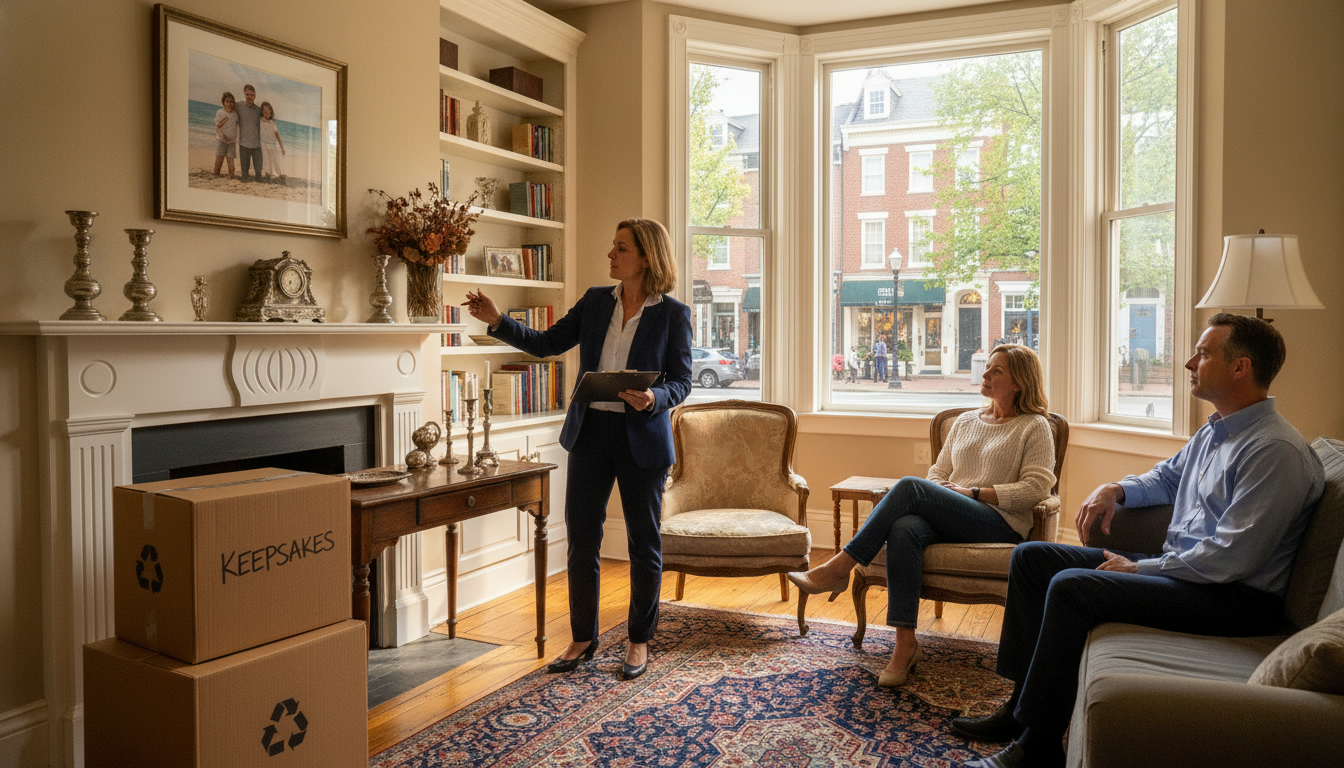
- Walk the house with a notepad. Identify 10 items or spaces that feel non-negotiable: a family portrait, a built-in bench, the backyard oak. Label them.
- Limit “must-keep” items. Emotional value is infinite. Market value is finite. Pick the top 10–15 things that actually hold the most meaning.
- Photograph every room and every keepsake. Date and caption the photos. This becomes your memory bank.
Why this works: you convert foggy emotion into a concrete inventory. That reduces post-sale regrets and helps you control the narrative.
Step 2 — Preserve memories, fast and cheap
- Create a digital archive: photos, video walkthroughs, voice notes. Record yourself telling one or two short stories about the house — what happened in the kitchen, the name of the squirrel that lived in the backyard. Save on cloud storage.
- Build a small “Legacy Box” with letters, photos, recipe cards, and small heirlooms. Keep it with you or deposit with a trusted family member.
- If a major keepsake can’t move (a built-in mantel or stained-glass window), document it thoroughly with high-quality photos and measurements. Include provenance and the story.
These steps take a weekend and keep your memories intact. Future you will thank you.
Step 3 — Make smart staging choices that protect sentiment
Selling fast doesn’t mean stripping every personal touch. In Georgetown’s market, character sells. Here’s how to balance both:
- Keep one or two meaningful items per room. Let a framed family photo stay on the mantle while the rest get packed.
- Neutralize, don’t erase. Repaint in soft, contemporary tones if needed, but preserve architectural features—exposed brick, crown moulding, original hardwood.
- Use tasteful placards in the listing or during showings: a small line that notes the age of the home, original features, and any heritage details. Buyers who appreciate history notice this.
Why this works in Georgetown: buyers coming from Toronto or nearby Halton Hills are often looking for character and community. Your home’s story is a selling point when positioned correctly.
Step 4 — Price and market for sentiment-savvy buyers
This is where most sellers fail. They either hide the home’s story (and kill emotional buyers) or overromanticize it (and scare pragmatic buyers).
- Price for the market, not for memory. I’ll say it plainly: sentimental value rarely increases the home’s price. Accurate comparative market analysis (CMA) determines price.
- Use storytelling in your marketing. Highlight the house’s history in the listing description, but pair it with crisp photos and floor plans.
- Target the right buyers: young families, professionals who commute to Toronto, or buyers seeking a heritage home. Use social media ads and local groups — Georgetown community pages, Halton Hills boards — to find those people.
Local angle: Georgetown buyers care about walkable downtown, schools, and transit. Tie the home’s story to neighborhood strengths — Main Street events, community festivals, nearby parks along the Credit River.

Step 5 — Choose the right agent (this changes everything)
Not all agents sell memories. You need someone who sells value and story. Here’s what to demand:
- Proven local record in Georgetown and Halton Hills.
- Strong listing photos, drone shots if property has expansive yards, and a home-video that includes the story behind the house.
- Negotiation toughness. A sentimental seller is vulnerable in negotiations. Your agent must protect price.
If you want an agent who knows how to preserve legacy while maximizing price, call a local expert at the end of this post.
Step 6 — Practical closing steps that keep you in control
- Schedule viewings with clear rules: time limits, minimal handling of personal items, and staff present if needed.
- Decide ahead how you’ll handle personal items left behind. Create a short, written list for the buyer and your lawyer.
- Keep copies of important home documents (renovation records, heritage certifications, original plans) to give the buyer. It’s practical and honors the property’s history.
Legal and financial note: Selling your primary residence in Canada usually means no capital gains tax on the sale. If the property was ever rented, or used for business, talk to a tax advisor. Also factor in legal fees, MLS commission, and any discharge fees.
Step 7 — The handover that honors the past
Treat the final handover as a ritual, not just a transaction:
- Prepare a “Welcome & Legacy” folder for the buyer. Include a short letter about the house’s best features, a few photos, appliance manuals, and the Legacy Box inventory if you’re passing any items.
- Offer a short tour on closing day to explain quirks (how the old furnace works, where the water shut-off is). This builds goodwill and protects your legacy.
- If you’re emotionally ready, include a small personal note to the buyer. A simple “We loved this house” line humanizes the sale and encourages respectful treatment.
Why Georgetown homeowners should act now
Georgetown’s desirability is rising. Commuter access to Toronto, a charming downtown, good schools, and outdoor spaces make it attractive. Homes with story and character sell for strong prices when marketed right. Don’t let emotion delay the sale and risk market shifts.
How a local pro helps (short and direct)
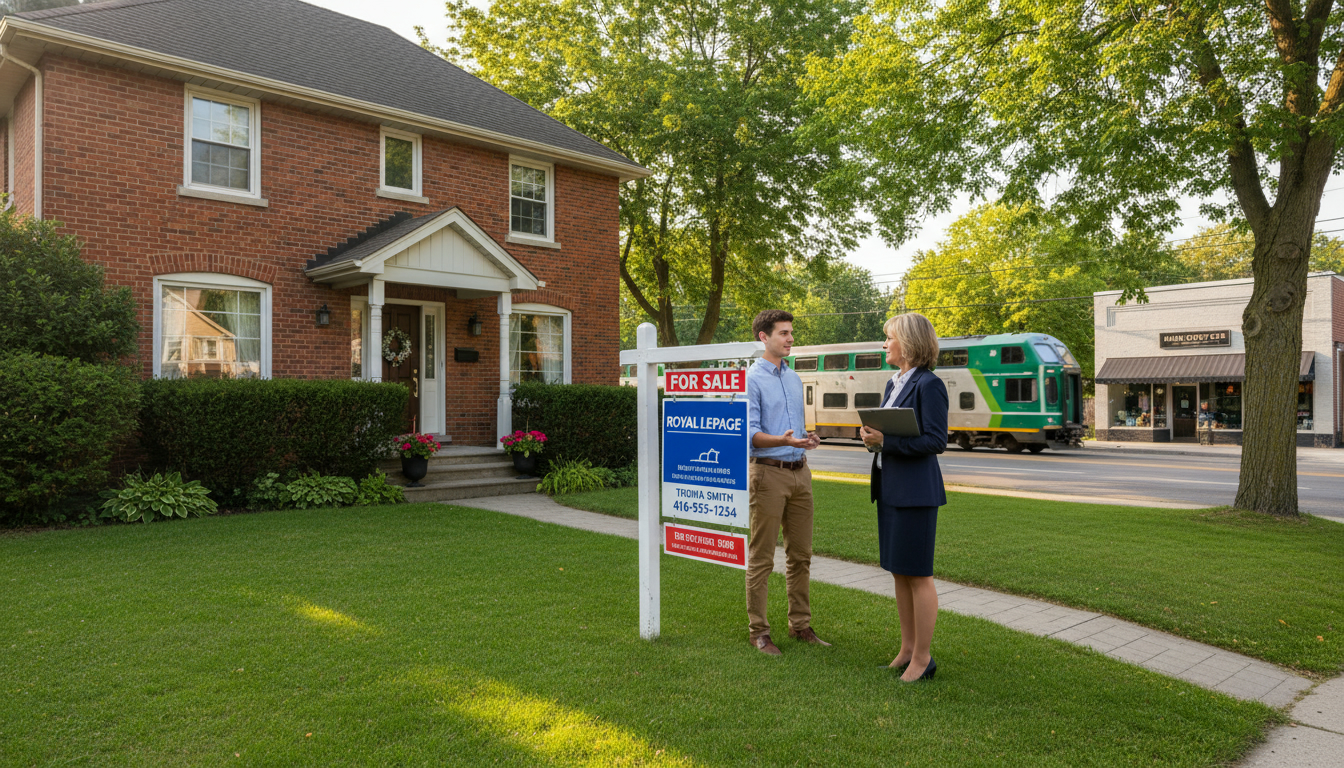
A local expert knows the comparisons, the buyer types, and the timing that gets you top dollar. They keep emotion from leaking into negotiation. They also help package your story so that buyers pay for the charm — not just the footage.
If you want an agent who treats the house like both an asset and a legacy, contact Tony Sousa at tony@sousasells.ca or 416‑477‑2620. He knows Georgetown, Halton Hills, and how to sell homes with history.
FAQ — Quick answers to the questions sellers actually ask
Q: Do I have to take all personal items out before listing?
A: No. Remove most personal clutter and valuables, but keep one or two meaningful items in each room to preserve warmth. Buyers want to picture life there; total sterility hurts showings.
Q: Will sentimental value raise my sale price?
A: Rarely. Emotional value matters to you. Price is set by comps and demand. Use the house’s story to attract emotionally invested buyers, which can shorten days on market and sometimes increase offers.
Q: What if family members disagree about selling?
A: Get everyone in one room, list must-keep items, and delegate an independent executor or mediator. If it’s legally co-owned, speak to a lawyer. Having a clear keepsake list reduces conflict.
Q: Should I sell furnished to keep the look?
A: Only if the furniture has clear market value or you can get a separate agreement. Buyers may be open to purchasing select pieces, but most prefer an empty house they can personalize.
Q: How do I handle built-in sentimental features (stained glass, mantels)?
A: Document them, get professional photos, and highlight them in the listing. If they’re removable and you want them, negotiate removal with the buyer or deduct value from the sale price.
Q: Are there tax or legal pitfalls in Ontario?
A: If it was your principal residence, you typically won’t pay capital gains tax. If it was rented or used for business, consult an accountant. Always use a local real estate lawyer for closing.
Q: How long will it take to sell in Georgetown?
A: It depends on price, condition, and market cycle. Well-priced, well-marketed homes with character can sell in weeks. A wrong price can add months. Correct pricing and local marketing speed the process.
Q: How do I choose an agent who understands sentimental value?
A: Ask for local case studies of homes with character. Ask how they market story, what their negotiation plan is, and how they handle emotional sellers. Pick an agent who balances empathy with toughness.
Selling your childhood home doesn’t have to mean losing your memories. Take control: inventory the must-keeps, build a memory archive, stage with intention, price for the market, and use a local agent who can sell both story and value.
Need help in Georgetown? Email Tony Sousa at tony@sousasells.ca or call 416‑477‑2620. Visit https://www.sousasells.ca for local listings and a free home valuation.