Should I buy in a developing neighborhood?
Clickbait: Should I buy in a developing neighborhood? Why Georgetown home sellers must care — and the exact playbook to increase resale value now.
Quick answer: Yes — if you play it like a seller
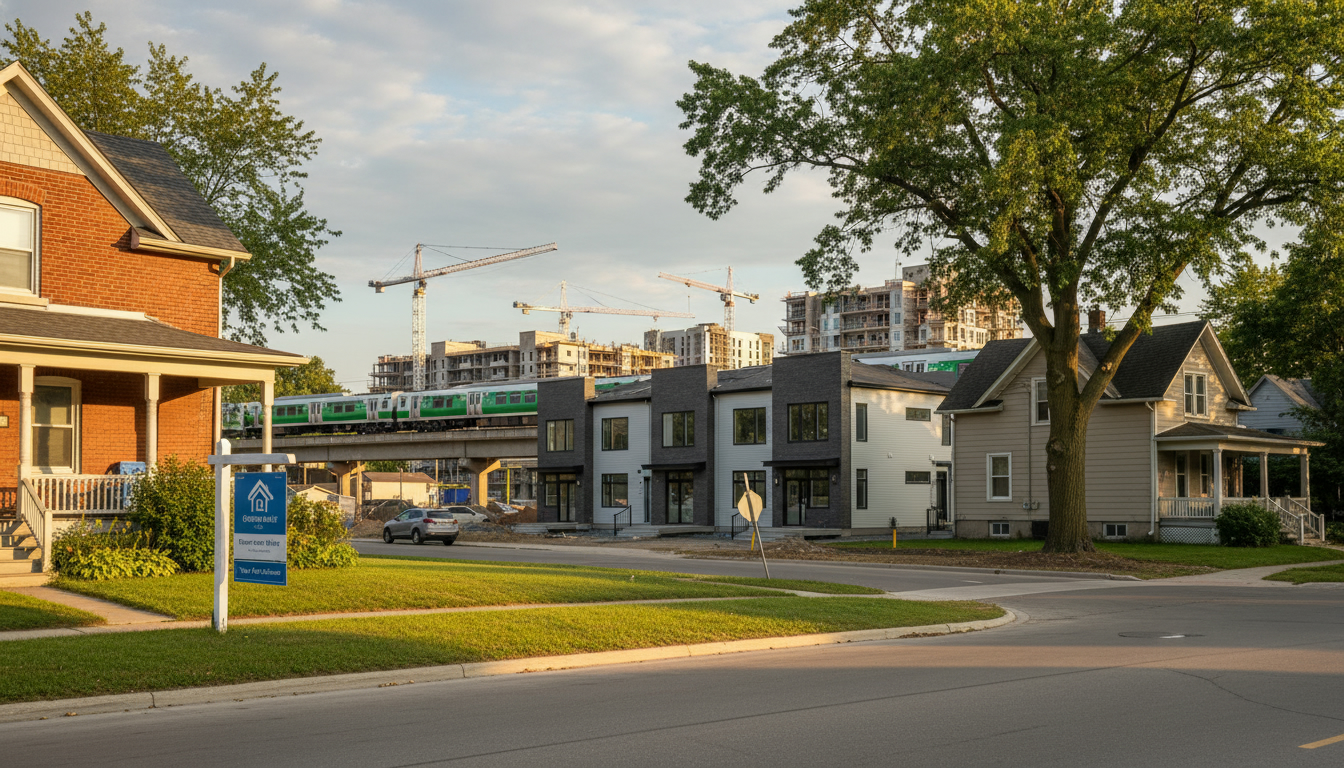
If you’re selling in Georgetown, ON, nearby development can lift your resale value or drag it down. The difference comes down to three things: where the development is, what type of development it is, and how you position your property for buyers. Treat development as a tool, not a threat.
This post gives a clear, tactical playbook for Georgetown home sellers who want to capture upside from nearby construction, new transit, and changing neighbourhood profiles.
Why selling in a developing neighbourhood matters for Georgetown homeowners
Georgetown is part of Halton Hills and the Greater Toronto Area. Growth pressure from the GTA and commuter demand make development common. That matters for sellers because:
- Development changes comps. New builds reset price expectations and can push values up — or set a lower baseline if volume is all low-cost units.
- Buyer demand shifts. Developers attract first-time buyers, young families, and investors. Your marketing must match them.
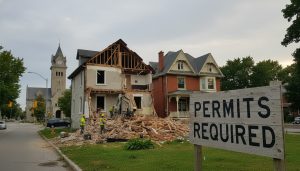
- Timeline and disruption matter. Construction brings noise, traffic, and uncertainty. That affects showings and perceived value.
If you ignore development, you leave value on the table. If you manage it, you capture premium offers.

The 5-point Seller Framework: Decide fast, act precisely
Use this framework to decide whether to sell now or wait, and what to fix before listing. It’s a tactical checklist — follow it.
1) Map development proximity and type
- Within 500 metres: active construction is immediate risk or reward. Expect noise, detours, and buyer hesitation.
- 500m–2km: heavy influence on comps and buyer profile. This range often sets market expectations.
- Type matters: transit, retail, schools, and parks increase long-term value. Industrial or low-quality high-density can compress prices.
Action: Walk the radius. Note the type of projects, staging, and contractor activity. Get municipal planning documents or ask your Realtor to pull the development filings.
2) Check municipal plans and timing
- Fast approvals and confirmed infrastructure (roads, parks, transit) = predictable upside.
- Early-stage plans with uncertain funding = risk. Don’t bet your sale on a “maybe.”
Action: Your Realtor should review Halton Hills council minutes, subdivision approvals, and GO Transit expansion notes. If timelines are confirmed, factor the upside into pricing.
3) Read buyer demand, not headlines
- Developers attract two buyer types: investors and owner-occupiers. Investors want cash flow and resale potential. Owner-occupiers want schools, transit, and green space.
Action: Tailor staging and marketing. If investor demand is high, highlight rental income potential, low maintenance. If families are buying, spotlight schools, parks, and safe streets.
4) Prioritize fixes that move the needle
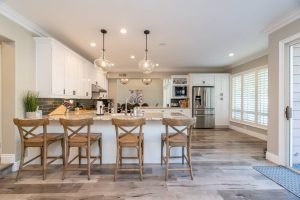
- Spend on curb appeal, kitchens, bathrooms, and creating flexible space (home office, rental suite). In developing areas, buyers compare your home to new units — you must compete on perceived value, not just age.
Action: Skip cosmetic clutter. Invest in top 3 ROI items: entryway/curb, kitchen refresh, and flexible-living upgrades.
5) Pricing and offer strategy
- Price smart. If construction creates buyer hesitation, price to generate competing offers. If development boosts demand, price to capture top-tier buyers.
Action: Use a local Realtor who tracks off-market interest and investor activity. Consider a short marketing window to create urgency if demand is strong.
Georgetown-specific tactics sellers must use
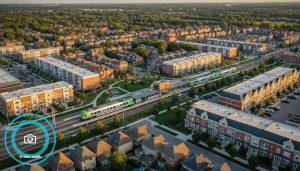
- Leverage commuter appeal: Georgetown’s commuter links and proximity to the GTA are selling points. Lead with travel times, GO transit access, and commute convenience in listings.
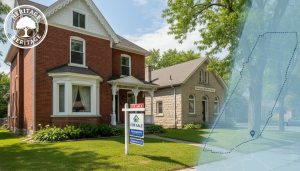
- Highlight stability: If your street is established while development happens a few blocks away, emphasize charmed downtown character, established trees, and mature landscaping.
- Use comparative prospective comps: Show buyers what new builds sell for nearby. Position your home as a better value when it offers mature quality, larger lots, or character.
- Manage showings during construction: Offer flexible showing windows, pre-listing photo shoot in low-activity hours, and a virtual tour. Show buyers future plans (renderings, park designs) to sell the story of upside.
Renovation checklist for maximum resale in a developing area
- Curb appeal: fresh paint, tidy landscaping, clean walkways.
- Kitchen: cabinet refinish, hardware, new light fixtures, durable counters if budget allows.
- Bathrooms: grout, fixtures, mirrors, and lighting.
- Flexible rooms: convert one room into a home office or nanny suite.
- Energy and maintenance: new furnace/AC, updated electrical panel, or windows sell confidence.
Do the highest ROI items first. In developing areas, buyers compare to new construction; you must match perceived quality.
Marketing: Sell the future, not the construction
Buyers in developing neighbourhoods buy two things: Today’s house and tomorrow’s neighbourhood. Your marketing must present both.
- Use professional photography with clean angles and no construction in frame.
- Create a “neighbourhood benefits” one-pager: planned parks, transit notes, renderings, school improvements, and municipal commitments.
- Digital ads: target investors with rental yield headlines; target families with school and safety headlines.
This sells both the physical home and the expected upside.

Risks and how to neutralize them
- Risk: Construction noise delays sale. Mitigation: flexible showing schedule, price tempo, and clear disclosures.
- Risk: New low-cost units compress prices. Mitigation: highlight lot size, finish quality, and character that new builds can’t match.
- Risk: Plan cancellations or delays. Mitigation: don’t base pricing on unapproved future projects. Use confirmed municipal actions only.
Timing: Sell now or wait?
- Sell now if: construction is complete or near-complete, demand is strong, or you must move. Use urgency and strong marketing.
- Wait if: major infrastructure is unconfirmed, you can ride appreciation, or you can make upgrades to beat new builds.
Your choice depends on personal timeline and local market velocity.
Quick negotiation levers for sellers
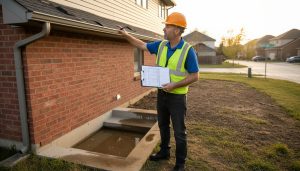
- Pre-inspection: eliminates buyer anxiety and shows confidence.
- Flexible closing dates: attract buyers juggling construction timelines.
- Offer seller-paid short-term warranties: reduces perceived risk of buying near development.
These small levers win offers and preserve price.
Real example play (how a seller captures value)
- Research development filings within 2km and confirm transit upgrades.
- Invest $12k in curb appeal, kitchen refresh, and pre-listing inspection.
- Market to two buyer segments: investors and families with separate listing copy and targeted ads.
- Use a 10-day marketing window and multiple-offer strategy.
Outcome: higher offers, faster sale, and buyers willing to pay for convenience and future upside.

Final verdict for Georgetown sellers
Development near your home is not automatically good or bad. It’s an event. It creates winners and losers. Sellers who treat development as a strategic asset — by researching, prioritizing high-ROI fixes, and marketing correctly — capture premium resale value. Ignore it, and buyers will price your house to their uncertainty.
If you want a fast, local read on your street, get a tailored market assessment. That’s how you convert development noise into dollars.
Frequently Asked Questions (FAQ)
Q: Will nearby development lower my home’s resale value?
A: Not if you act. Low-quality, high-volume builds can compress prices, but strategic presentation, high-ROI upgrades, and targeted marketing stop that. Focus on buyer priorities.
Q: How close is too close to new construction?
A: Within 500 metres expect immediate impact. Noise and access issues matter. 500m–2km influences comps and buyer expectations. Use distance and project type to price.
Q: Should I wait until construction is complete to sell?
A: Only if completion is quick and confirmed. If your life isn’t waiting, price and market cleverly now. Use pre-inspections and disclosures to manage buyer risk.
Q: What renovations give the best return in a developing neighbourhood?
A: Curb appeal, kitchen refresh, bathroom touch-ups, and creating flexible living spaces. These beat small decorative fixes.
Q: How do I market my home when there’s construction nearby?
A: Lead with benefits: transit, parks, schools, and future amenities. Use professional photos taken during quiet hours and a neighborhood benefits sheet with municipal links.
Q: Do investors or families buy more in developing neighbourhoods?
A: Both. Developers attract investors and new buyers. Know the local buyer mix and tailor your staging and advertising.
Q: How do I find out what’s planned near my property?
A: Ask your Realtor for municipal planning documents, check Halton Hills planning pages, and review council minutes. Get confirmation on timelines before pricing around potential upside.
Q: Can I get a higher sale price than a new build nearby?
A: Yes. Mature properties with larger lots, character, and quality finishes often outvalue small new units. Present those advantages clearly in your listing.
Q: What’s one immediate move to protect my resale value?
A: Get a pre-listing inspection and fix safety/major-system issues. That closes buyer objections and lets you demand top dollar.
Q: Who can help me make the right call?
A: A local Realtor who tracks investor activity, municipal filings, and off-market interest. They give you the precise data you need to price and position your home.
Want a no-BS, street-level assessment for your Georgetown property? Email tony@sousasells.ca or call 416-477-2620. Get a clear action plan with expected price range and the exact upgrades that will boost your sale.
Tony Sousa – Local Realtor, Georgetown, ON
https://www.sousasells.ca