What if a buyer damages something?
What if a buyer damages something? Don’t panic — here’s the exact playbook every Georgetown homeowner must follow.
Sell While Living in the Home: The Hard Truth
Selling your Georgetown home while you still live in it is smart — you save moving costs, you can show the property in lived-in condition, and you stay in control. But it also opens the door to one big fear: a buyer or their guest damaging your property during a showing or inspection.
This post gives you a direct, practical plan to prevent, document, and resolve buyer-caused damage. No fluff. Follow these steps and you’ll reduce risk, protect your equity, and keep the sale on track.
Why this matters for Georgetown, ON sellers
Georgetown (Halton Hills) is a tight market. Homes listed occupied get high traffic. More traffic means more chance something gets knocked over, scratched, or stolen. Ontario law and the standard Agreement of Purchase and Sale give structure — but they don’t remove real risk. You must prepare.
Keywords this post covers: Georgetown home sellers, selling while living in your home, selling occupied home Georgetown ON, buyer damages, Agreement of Purchase and Sale Ontario, small claims court Ontario.

Immediate rules you must enforce
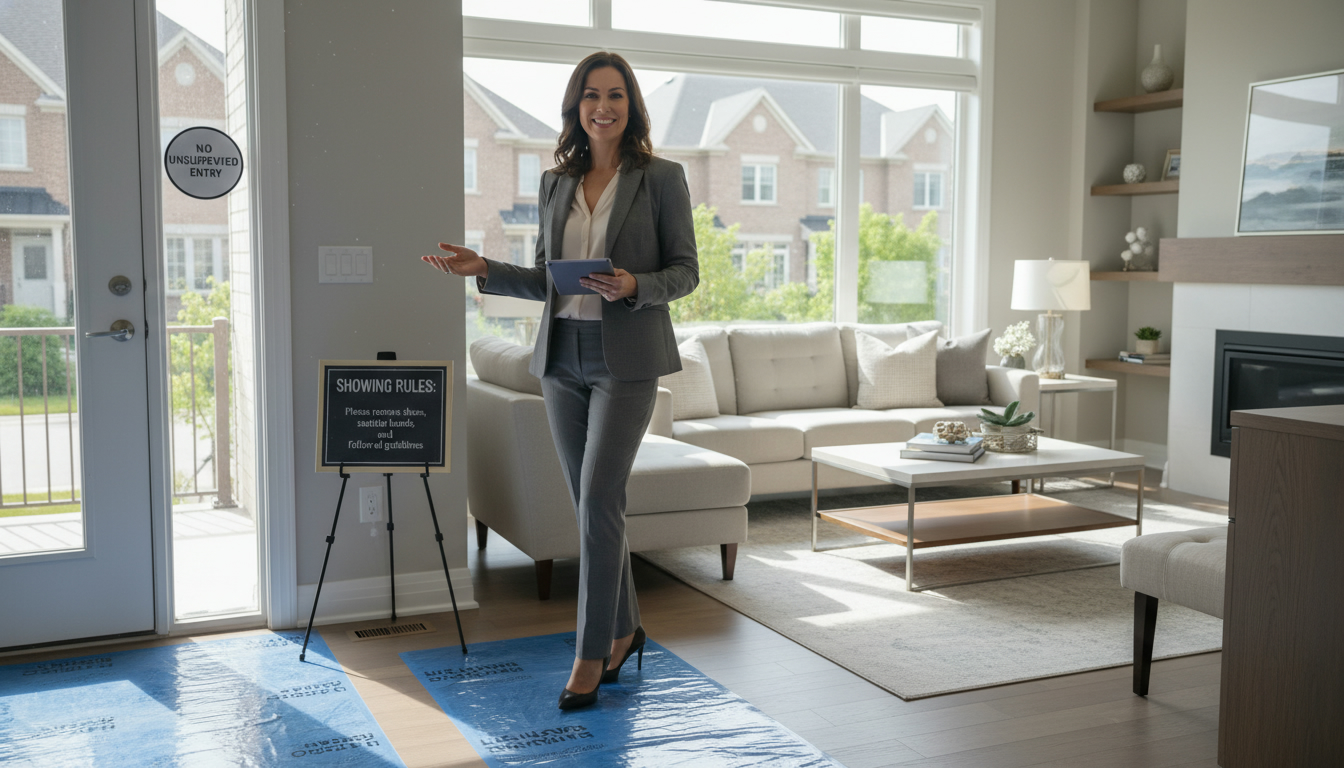
- Always require appointments. No drop-ins. Use “showings by appointment only.”
- Have every visitor be accompanied by a licensed agent — no unsupervised visits.
- Remove valuables, prescription meds, and personal documents.
- Lock rooms you don’t want shown (storage, home office).
- Lay down protective floor runners and towel coverings where traffic is heavy.
These are non-negotiable. If you accept casual access, you accept risk.
Before you list: document everything
Take time to prove your baseline. Do this before the first show.
- Walk every room and video it on a dated device. Narrate visible scratches, paint chips, grille dents, or floor marks.
- Photograph high-value items and any pre-existing damage from multiple angles.
- Save receipts for recent repairs or installations.
- Keep the video and photos in multiple locations (cloud + external drive).
If you must make repairs, document them too — before and after photos are gold.
Add smart contract language (get your lawyer or agent to add it)
The standard Agreement of Purchase and Sale in Ontario can be updated with clauses. Ask your agent to include:
- A showing-damage liability clause: buyers and their agents accept responsibility for damage caused by their party during visits.
- A damage deposit or holdback clause: buyer deposits an agreed amount to be held in trust and applied to repair costs if damage occurs before closing.
- Access rules: only licensed agents may accompany showings, and showings must be scheduled during specified hours.
A single clear clause reduces disputes and sets expectations.
At showings and inspections: control and enforce protocol
- Require agents to RSVP and provide a guest list for open houses.
- Accompany every showing. If you can’t, insist your listing agent does.
- Ask buyers to remove shoes or provide booties — especially on hardwood or carpeted stairs.
- Keep pets secured away from showings.
- For inspections: have a condition checklist and photograph each inspected area before the inspector arrives.
If an inspector needs to remove fixtures or appliances for testing, document it first. Don’t allow any removal without signing a short written acknowledgement.

If damage happens: step-by-step response
- Stop the showing. Ask the buyer and their agent for names and contact information.
- Take photos and video immediately. Use a timestamped device if possible.
- Speak with the buyer’s agent calmly and record the conversation (tell them you’re recording — Ontario is a one-party consent province but it’s professional to declare it).
- Notify your listing brokerage and ask them to notify the buyer’s brokerage.
- If the damage is theft, vandalism, or a crime, call local police and file a report.
- Send a written notification to the buyer and buyer’s agent documenting damage and your request for repair or compensation.
- If the buyer refuses to cooperate, you can pursue claims via small claims court in Ontario (current small claims limit) or negotiate a holdback at closing.
Collect and preserve all evidence. Without photos, video, agent logs, and the police report (if relevant), your claim weakens.
Money and legal realities: what you can expect
- The buyer is legally liable for intentional or negligent damage caused by them or their guests. That’s tort law.
- The deposit generally secures performance of the Agreement. It is not automatically a damage fund. But the buyer’s deposit or a holdback can be negotiated as compensation.
- You can claim repairs from the buyer directly or sue in small claims court in Ontario for amounts within the court limit.
- For major damage you may also pursue compensation through the buyer’s insurance — but that’s a longer path.
Work with your brokerage and a lawyer for anything above a few thousand dollars.
Proactive protective strategies that win listings and reduce risk
- Use a “damage addendum” in your listing. Say: “Buyer and buyer’s guests are responsible for damage during showings.” This alone cuts careless visitors.
- Offer pre-inspection reports to buyers. If buyers see a report, they’re less likely to poke or prod.
- Use professional showing agents and restrict access to serious buyers (pre-approval required).
- Install motion-activated hallway cameras to monitor common areas. Disclose camera use on signs and listing details — never record bathrooms or private areas.
- Require buyers to sign an acknowledgment form before first visit outlining rules and penalties for damage.
These tactics reduce accidents and signal professionalism. Serious buyers respect rules.
Insurance and financial protection
- Notify your homeowner’s insurance that you’re selling and allow showings. Your policy usually covers accidental damage, but confirm specifics and limits.
- Ask your agent to recommend a short-term rider if you have high-value items or a history of claims.
- If a buyer causes damage that insurance covers, your insurer may handle repairs and seek subrogation against the buyer’s insurer later.
Keep copies of all communications with insurers and brokers.

Negotiation levers when damage affects closing
If damage occurs close to closing, options include:
- Require buyer to arrange repairs before closing and provide receipts.
- Negotiate a price reduction or credit at closing for the repair cost.
- Agree to a holdback: a portion of sale proceeds held in trust until repairs are completed and inspected.
- Postpone closing until repairs are complete.
Your leverage depends on the market and the Agreement terms. In Georgetown’s active market a motivated buyer may cooperate quickly.
Sample wording to ask your lawyer/agent to insert
Include this language as a starting point (have a lawyer adapt it):
“Buyer and buyer’s guests shall be liable for any damage or loss caused to the Seller’s property during showings or inspections prior to closing. The Buyer shall provide a refundable damage deposit of $_ to be held in trust by the listing brokerage, to be applied to repair costs for any damage caused prior to closing.”
This makes responsibility rigid and enforceable.
Closing thoughts — be practical, not paranoid
You don’t need to ban showings or hide the home. You need a system. Document condition, enforce rules, use contract language, and act fast if damage occurs. These measures work in any Ontario municipality but are critical in Georgetown where inventory moves and showings are busy.
If you want one clear action today: film your entire home on your phone with closeups of existing wear-and-tear. Save it and email a copy to your listing agent. That single step will protect you from a large percentage of disputes.
About the local expert
Tony Sousa is a Georgetown real estate broker focused on selling homes while owners still live in them. He handles the tough conversations, contracts, and showing protocols so you can stay calm and keep the sale moving. Contact: tony@sousasells.ca | 416-477-2620 | https://www.sousasells.ca

FAQ — Common questions Georgetown sellers ask
Q: Who pays for repairs if a buyer damages something during a showing?
A: The buyer who caused the damage is legally responsible. Practically, you document and demand payment. If they refuse, you can seek compensation via small claims court or apply an agreed holdback from sale proceeds.
Q: Can I require a damage deposit from the buyer?
A: Yes. While not standard on every sale, you can add a clause in the Agreement of Purchase and Sale requiring a refundable damage deposit to be held in trust to cover pre-closing damage.
Q: Will my homeowner’s insurance cover damage during a showing?
A: Often yes for accidental damage, but policies vary. Notify your insurer you’re selling and confirm coverage for showings and inspections. Keep records of all correspondence.
Q: What if the buyer says the damage wasn’t their fault?
A: Collect evidence: photos, video, witness statements, and the agent logs. If necessary, file a police report for vandalism or theft and pursue civil action if needed.
Q: Can I ban buyers from bringing kids or pets to showings to reduce risk?
A: You can set showing rules, but they must be reasonable and non-discriminatory. Limiting access for safety (e.g., no unsupervised children near pools) is acceptable.
Q: Should I attend every showing?
A: It’s recommended. If you can’t, ensure your listing agent accompanies all visitors. Sellers who attend can spot hazards and enforce house rules immediately.
Q: What’s the best prevention tactic?
A: Photographic documentation of the home’s condition before showings, strict showing protocols, and adding clear contract language that assigns responsibility for damage.
Q: How long do I have to file a claim in Ontario for damages?
A: For civil claims, Ontario small claims court handles claims up to the court’s limit. Statutes of limitations vary by claim type — consult a lawyer quickly after damage occurs.
Q: How do I handle repairs if closing is days away?
A: Push for immediate repair with receipts or negotiate a holdback or credit at closing. For significant damage, consider postponing closing until repairs are verified.
Q: Will a claim hurt the sale?
A: If you handle it calmly and with documentation, no. Most buyers want a smooth transaction. Clear communication and a professional approach keep deals intact.
If you want help adding protective clauses to your Agreement of Purchase and Sale or creating a pre-showing checklist tailored to Georgetown, I can draft both for you. Email tony@sousasells.ca or call 416-477-2620.