What coverage is essential for a new home?
DON’T MOVE IN UNTIL YOU’VE GOT THESE 7 COVERAGES — What coverage is essential for a new home?
Why every Milton home seller must understand insurance now
If you sell a home in Milton, Ontario, insurance is not a footnote. It’s a sale-saver. Buyers, lenders, and lawyers expect clear, predictable risk transfer. If you leave gaps, the deal stalls, or worse — you face a claim after closing. This post tells you, in plain language, exactly what coverage a new homeowner must have and what sellers must check before, during, and after closing.
This is not theory. These are practical actions you can take today to protect the sale, avoid headaches, and maximize buyer confidence.
The big picture: What “essential coverage” really means
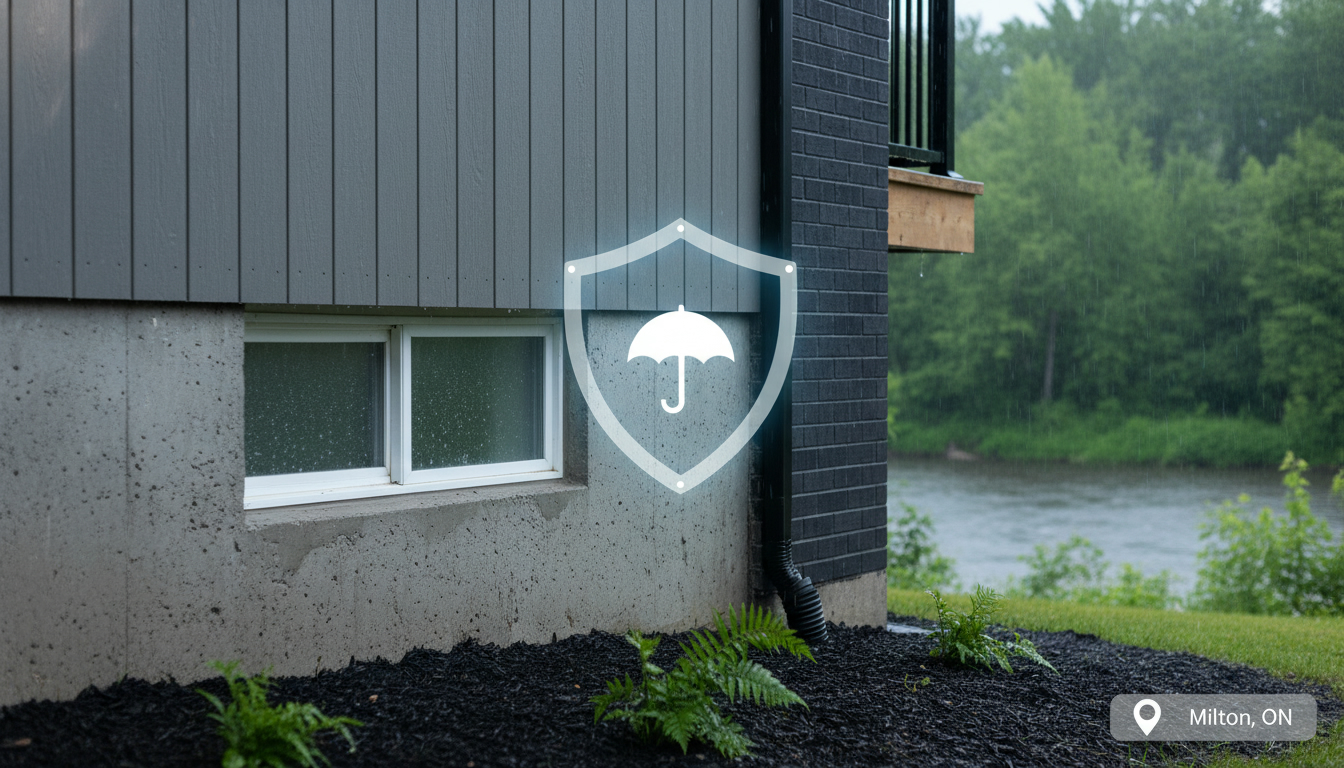
Essential coverage protects the structure, the people, the contents, and the sale process itself. For Milton, that includes extra attention to water damage, sewer backup, and overland flooding risk — common here because of the Credit River, seasonal storms, and older sewer systems. Your checklist must cover:
- Structural protection (dwelling/building insurance)
- Personal property
- Liability
- Additional living expenses (ALE)
- Sewer backup and water damage endorsements
- Overland flood and basement flood protection (where available)
- Title insurance and closing-risk protections

Sellers: your immediate insurance tasks (before listing)
- Keep your policy active and update your agent.
- Notify your insurer that you’re listing the home. Coverage must remain until possession is transferred. Many claims happen during showings or open houses.
- Confirm liability limits for showings/open houses.
- If you host an open house, your homeowner policy should cover visitors’ injuries. Raise limits if needed.
- Document upgrades and repairs.
- Collect invoices, warranties, and permits. These reduce buyer doubt and speed up claims or underwriting questions.
- Disclose water or sewer incidents honestly.
- Ontario law expects sellers to disclose material facts. Failure to disclose past basement flooding or water issues risks legal exposure post-sale.
What coverage every new homeowner in Milton must buy — explained
Below are the essential coverages, why they matter in Milton, and the minimum standards to aim for.
1) Dwelling / Building Insurance
What it covers: Rebuild costs if the house is damaged or destroyed (fire, wind, vandalism).
Why it matters in Milton: Severe storms and wind damage are common. Replacement cost matters more than market value. Many homes here are older or remodelled; underinsuring means out-of-pocket rebuild bills.
Action: Buy Replacement Cost coverage equal to a realistic rebuild estimate. Update the sum insured after renovations.
2) Personal Property Coverage
What it covers: Your furniture, appliances, electronics, and contents.
Why it matters: Buyers often leave items temporarily. Sellers should confirm what stays and what goes. New buyers should inventory high-value items.
Action: Use scheduled items for jewelry, antiques, or high-value gear to get full replacement value.
3) Liability Coverage
What it covers: Legal costs and damages if someone is injured on the property or you cause damage to others.
Why it matters in Milton: Open houses and showings expose sellers to liability. Slips on icy driveways are common in winter.
Action: Maintain at least $1–2 million liability limits. Consider umbrella liability if you host frequent showings or rent the property before sale.
4) Additional Living Expenses (ALE)
What it covers: Living costs if the home becomes uninhabitable after a claim (hotel, meals, temporary rent).
Why it matters: If a buyer’s move-in or possession date gets delayed due to a loss, ALE protects them. Sellers should confirm that ALE is included up to a reasonable limit to avoid closing delays.
Action: Ensure ALE covers 12–24 months of living costs depending on local rental rates.
5) Sewer Backup and Sump Pump Failure Endorsements
What it covers: Damage from sewer backups, sump pump failures, and related water intrusion.
Why Milton sellers/buyers care: Seasonal storms and older municipal infrastructure increase sewer backup risk. Basements are a major value driver in Milton homes — protecting them is non-negotiable.
Action: Add sewer backup endorsement and consider increased limits for basement finishes. Inspect and test sump pumps before listing.
6) Overland Flood / Basement Flood Coverage
What it covers: Damage from surface water entering the property (storm runoff, overflowing creeks).
Why it matters: Standard homeowner policies in Ontario typically exclude overland flood. Homes near Credit River or floodplains need this protection.
Action: Ask insurers for overland flood coverage or purchase a separate policy. If unavailable, disclose risk and offer mitigation (barriers, grading, sump upgrades) to buyers.
7) Title Insurance and Legal Protections
What it covers: Title defects, fraud, survey errors, liens, and closing risks.
Why it matters: Title problems can halt or undo a sale. Buyers commonly expect title insurance; as a seller, ensure you’ve cleared liens and provided accurate documents.
Action: Provide full, correct title documentation. Encourage buyers to obtain title insurance — it speeds closings and reduces last-minute legal blocks.
Seller-specific add-ons to reduce friction and increase buyer confidence
- Home warranty or inspection report: Pre-list inspection and a short-term home warranty make offers cleaner.
- Builder’s warranty (for new builds): Ensure Tarion documentation is in order if selling a new home.
- Content floaters for staging items: If you leave staged furniture, confirm these items are insured during showings.
- Identity theft and legal expense coverage: Small but growing risks; helpful if you leave personal documents behind.
Pricing: how to think about deductibles and coverage amounts
- Deductible: Higher deductibles lower premiums but increase out-of-pocket risk. For sellers, avoid massive deductibles that would block claims during the sale.
- Replacement cost vs. Actual Cash Value: Always prefer Replacement Cost for dwelling. For contents, schedule high-value items.
- Liability limits: $1M is baseline. $2M+ is safer for most sellers.

Local Milton tips that insurance agents will not tell you openly
- Storm season spikes claims. Review policies before spring and fall.
- Municipal sewer projects can change risk. Check recent town engineering updates before selling.
- If the house had a prior basement flood, full disclosure and documented repairs reduce buyer resistance and insurer red flags.
- Cold-climate measures (insulate pipes, heat kept on when vacant) prevent freeze/thaw claims that come up during showings in winter.
Quick checklist for sellers the week before closing
- Confirm homeowner policy stays active until possession.
- Get proof of insurance letters for buyer’s lender if requested.
- Provide inspection and repair documentation to the buyer.
- Test sump pump and provide receipts for any recent work.
- Ensure utilities required for a final inspection remain on.
Closing and transfer: who needs what and when
- Buyer typically purchases the home insurance effective the day of closing or possession. Sellers must keep theirs active until the shift.
- Title adjustments and clearances must be resolved. If title insurance is required, ensure all documents are ready.
- If keys are exchanged earlier or the seller remains on property after closing, update insurance to reflect occupancy changes.
How Tony Sousa helps Milton sellers close faster with less risk
I’m Tony Sousa, Milton realtor. I advise sellers on exactly what insurers will ask for, coordinate pre-list inspections, and make sure buyers get the right proofs to meet lender requirements. That prevents last-minute insurance surprises that kill deals.
Contact: tony@sousasells.ca | 416-477-2620 | https://www.sousasells.ca

FAQ — Common insurance questions home sellers in Milton ask (short answers)
Q: Who pays for the buyer’s home insurance?
A: The buyer purchases their own policy. The seller must keep their policy active until the buyer’s possession date to cover showings and any interim liability.
Q: Does my homeowner policy cover open houses?
A: Typically yes for liability, but limits vary. Notify your insurer before large open houses and consider raising liability limits.
Q: Is overland flood covered automatically in Milton?
A: No. Overland flood is often excluded from standard policies. You need a separate endorsement or policy.
Q: If my basement flooded two years ago, will that block a sale?
A: Not automatically. Full disclosure, repair receipts, and mitigation measures usually satisfy buyers and insurers. Hiding it creates legal risk.
Q: Should buyers get title insurance in Milton?
A: Yes. Title insurance is cheap relative to the risk and speeds closing by protecting against many title defects.
Q: What deductible should I choose?
A: Balance premium savings and risk. For sellers, avoid very high deductibles that could prevent timely claims during sale. $1,000–$2,500 is common.
Q: Who insures staged furniture?
A: Either the seller’s homeowner policy or a commercial floaters policy for staged items. Confirm coverage and get endorsements if needed.
Q: How can I reduce my insurance risk before listing?
A: Fix obvious issues, maintain heating to prevent freeze, clean gutters, test sump pumps, and collect repair documentation.
Final action plan — 5 things to do right now
- Call your insurer and confirm continuous coverage until possession.
- Add sewer backup and check overland flood options.
- Get a pre-listing inspection and share the report with buyers.
- Raise liability limits if you plan open houses.
- Contact a local realtor who understands Milton insurance requirements.
If you want help lining up an insurer, scheduling a pre-list inspection, or presenting the right insurance documents to buyers and lenders, email tony@sousasells.ca or call 416-477-2620. I’ll cut through the noise and get the sale to the finish line.