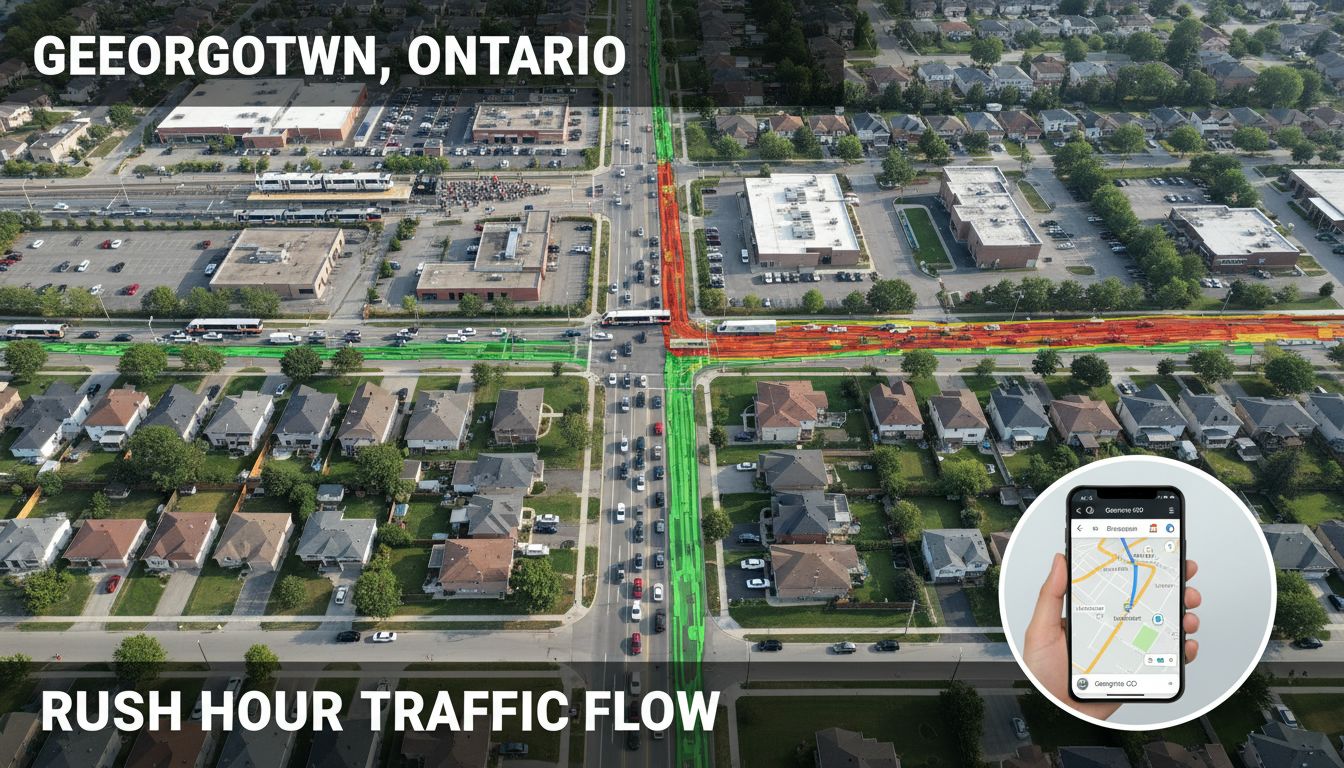
How do I evaluate local traffic patterns before buying?
Want to avoid buying a home next to a traffic nightmare? Here’s exactly how to evaluate local traffic patterns before buying—so your next purchase in Georgetown, ON doesn’t destroy your comfort or resale value.
Why traffic patterns matter for buyers and sellers in Georgetown
Traffic is not just a nuisance. It eats equity, reduces curb appeal, and changes who will buy your house later. In Georgetown, ON, commuting patterns, GO train schedules, and nearby highways shape demand. A quiet street with easy access to transit sells faster and at higher prices. A noisy, congested corridor does the opposite.
If you’re buying, you need to know how traffic will affect daily life, safety, and long-term value. If you’re selling, you need to know what buyers will look for and how to neutralize negatives.
Quick, actionable checklist to evaluate traffic now
- Visit the property at these times: weekday morning (7–9am), weekday evening (4–7pm), midday, and a weekend afternoon. Watch flow, speed, and wait times at intersections.
- Use Google Maps traffic layer and the “depart at” feature to compare commute times for different days and times.
- Check GO Transit schedules at Georgetown GO Station for peak and off-peak service. More transit options lower stress and add value.
- Look at regional traffic data: Halton Region open data and Town of Halton Hills traffic/transportation plans. These show planned changes and growth corridors.
- Inspect for trucks and delivery routes. Note any industrial areas nearby that send heavy vehicles through residential streets.
- Walk the block during school pickup/drop-off. Observe delays, idling cars, and pedestrian safety conditions.
- Measure noise with a smartphone app (use average dB over a 10–15 minute sample at each time). Note excessive, constant noise vs. intermittent spikes.

Tools and data sources you must use
- Google Maps traffic layer and driving time estimates (use the “Depart at” feature for repeat checks).
- Waze for live incidents and community-reported slowdowns.
- Halton Region Open Data portal for collision reports and traffic counts.
- Town of Halton Hills Transportation Master Plan and recent council minutes for planned road upgrades or developments.
- GO Transit schedules (Georgetown GO Station) and any planned service increases that could change traffic flow.
- Municipal building permit data: new housing or commercial permits mean more cars in future years.
A simple scoring system to decide if a property is worth buying
Score the property 1–5 in these five areas. Add scores (max 25).
- Noise (1 noisy — 5 quiet)
- Congestion (1 gridlock risk — 5 smooth flow)
- Safety (1 unsafe crossings/fast roads — 5 safe sidewalks and crosswalks)
- Accessibility (1 limited transit/highway access — 5 excellent transit and highway access)
- Growth risk (1 heavy planned development — 5 stable or positive plans)
Totals:
- 20–25: Strong buy — traffic is a non-issue or a selling point.
- 14–19: Acceptable — plan modest mitigation or price negotiation.
- <14: Caution — negotiate heavily or pass.
How to evaluate peak vs off-peak and seasonal variations
Peak traffic reveals the real cost of living in a place. Visit in both directions of the commute: toward major employment centers in the morning and away in the evening. Don’t forget:
- Friday afternoons and holiday weekends can spike traffic.
- School year vs. summer changes traffic patterns significantly.
- Construction seasons may create temporary—but long—delays. Check recent building permit trends.
What to watch for that most buyers miss
- Shortcuts: Drivers diverting through residential streets to avoid main-road congestion. This adds noise, speed, and danger.
- Signal timing at key intersections. Long delays at one light can backlog a whole neighborhood.
- Nighttime noise from late freight, buses, or nightlife in nearby commercial nodes.
- Parking overspill from nearby transit or commercial areas.
Specifics for Georgetown, ON — what matters here
Georgetown is a growing community in Halton Region. Buying here means balancing small-town feel with commuter demand. Key local factors:
- Commuter rail and bus service: How frequently does the Georgetown GO run? Reliable service reduces car dependence and makes properties near the station more desirable.
- Regional growth: New subdivisions and commercial developments change traffic volumes rapidly. Check Halton Hills planning pages for approved projects.
- School and community patterns: Local schools create regular peaks. Homes near schools need different considerations for safety and parking.
Use local council agendas and Halton Region open data for collision and traffic count reports. That data will tell you where accidents concentrate and where cautious buyers should avoid.
Negotiation and pricing strategies based on traffic findings
- If traffic is a minor issue: Ask for a modest price reduction or contribution to soundproofing upgrades. Buyers prefer immediate value.
- If traffic is moderate: Use the scorecard to justify a larger price reduction. Request seller-paid inspections or noise mitigation credits.
- If traffic is severe: Walk away, or offer a lowball contingent on municipal action (like a promised traffic calming plan).
For sellers: If traffic works against you, invest in low-cost fixes that buyers notice: upgraded fencing, dense hedges, acoustic windows, clear signage for parking, and photos showing morning/evening calm if true.
Practical mitigation tactics buyers and sellers can use
- Landscaping buffers (trees and thick hedges) cut noise and increase privacy.
- Acoustic windows and door seals significantly reduce interior road noise.
- Fencing with mass (concrete or masonry) blocks line-of-sight noise.
- Smart staging and photography show the best times of day and highlight access to transit and shopping—turn negatives into context.
How future projects change everything — watch these indicators
- New subdivisions and modular housing plans. More houses mean more cars and school pressure.
- Commercial rezoning or big-box retail approvals near residential areas. That increases truck routes and traffic signals.
- Transit upgrades. Increased GO service or new bus routes can turn a traffic problem into an asset.
If you see a cluster of building permits or a major site plan application, do not ignore it. That’s the clearest predictive indicator of traffic change.
Quick field script for showing up like a pro
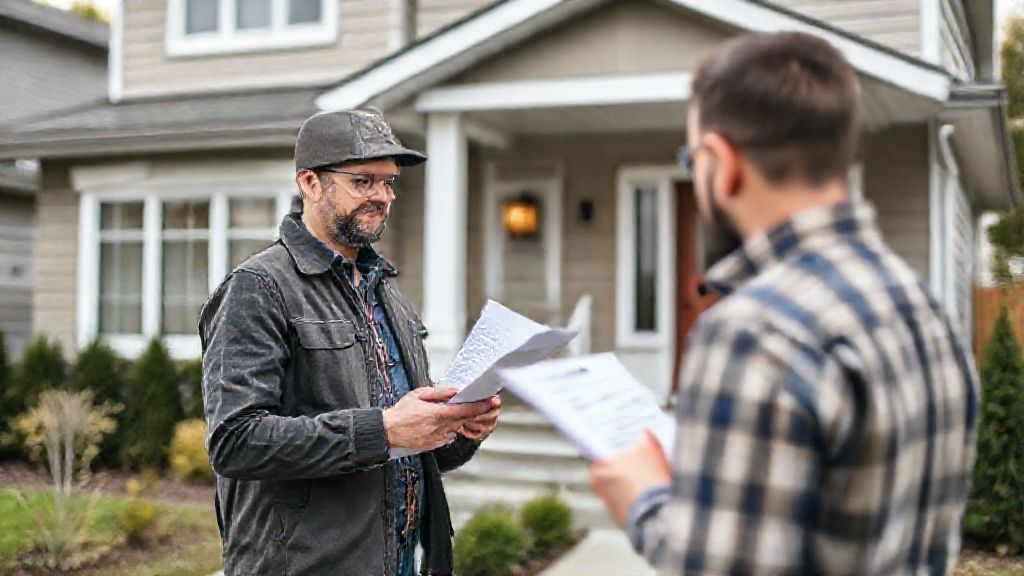
- Park a block away and walk the street for 10 minutes. Count cars and note speeds. 2. Stand at the nearest intersection for 15 minutes during rush hour. Time how long it takes to clear. 3. Record noise level on your phone at three times of day. 4. Try the commute on Google Maps for your schedule. 5. Check Halton Region collision reports and the Town of Halton Hills planning page.
Do this once before making an offer. It’s fast and it works.
Why local expertise matters — trust the advisor who knows Georgetown
Local real estate professionals who track Halton Region planning, local transit updates, and municipal council decisions can save you thousands. They know where traffic will get worse and where it will improve. That’s real value.
For a direct evaluation of a Georgetown property, contact Tony Sousa. He knows which streets sell fast, which intersections slow resale, and how to position a property for top dollar despite traffic concerns.
Contact: tony@sousasells.ca | 416-477-2620 | https://www.sousasells.ca
FAQ — Answers home sellers in Georgetown need right now
Q: Will traffic reduce my home value in Georgetown?
A: Yes, if it’s constant, noisy, or dangerous. Homes near transit and with good access often trade at a premium despite slightly higher traffic.
Q: How close to Georgetown GO Station is “too close”?
A: Close enough to walk is usually a plus. Proximity issues arise when tracks, parking lots, or idling buses sit immediately behind or beside houses.
Q: Can landscaping solve traffic noise?
A: It helps. Mature, dense planting and solid fencing lower perceived noise and improve buyer perception.
Q: Should I disclose traffic issues when selling?
A: Always comply with disclosure laws. Don’t hide known issues. Instead, present mitigation steps you’ve taken.
Q: How can I show my property in the best light if it’s near a busy road?
A: Stage the yard, shoot photos at calm times, highlight transit access, and list upgrades like acoustic windows or new fencing.
Q: Where do I find official traffic forecasts for Georgetown?
A: The Town of Halton Hills planning department and Halton Region open data portal publish traffic studies, collision data, and transportation master plans.
Q: What negotiation leverage do buyers have over traffic issues?
A: Buyers can ask for price reductions, credits for mitigation, or a timeline contingent on municipal traffic calming measures.
Q: If heavy traffic is new, can municipal plans change it?
A: Yes. Traffic calming, signal retiming, and new transit service can improve conditions. Check council minutes for proposed actions.
Q: How much should I budget for noise mitigation?
A: Basic landscaping and fencing: a few thousand dollars. Acoustic windows or major sound barriers: several thousand to tens of thousands. Get quotes.
Q: Who should I call for a professional traffic study?
A: Municipal engineers or private traffic consultants listed in Halton Region’s professional services directories.
If you want a no-nonsense, street-level traffic assessment for a Georgetown address, email tony@sousasells.ca or call 416-477-2620. He’ll give a clear read and a score you can use in negotiations.
Make your move with confidence. Traffic is measurable. So is value. Get both right and you win.