Should I consider upcoming infrastructure projects?
Should I consider upcoming infrastructure projects when selling my Georgetown home?
Yes — and here’s a clear, no-fluff plan you can use right now.
If you sell in Georgetown, Ontario, you must treat infrastructure projects as a strategic lever — not a guess. Announcements, timelines, and physical changes near your property change buyer demand, pricing power, and closing speed. Ignore them and you leave money on the table. Plan around them and you capture a premium.
Quick verdict
- Consider infrastructure projects. They matter.
- Don’t assume automatic gains. Evaluate type, timeline, and proximity.
- Use local market data and a targeted marketing strategy to turn projects into real dollars.
This post gives a step-by-step playbook for Georgetown home sellers: how to read projects, when to list, what to disclose, and how to price. No fluff. Follow it.
What “infrastructure projects” mean in Georgetown
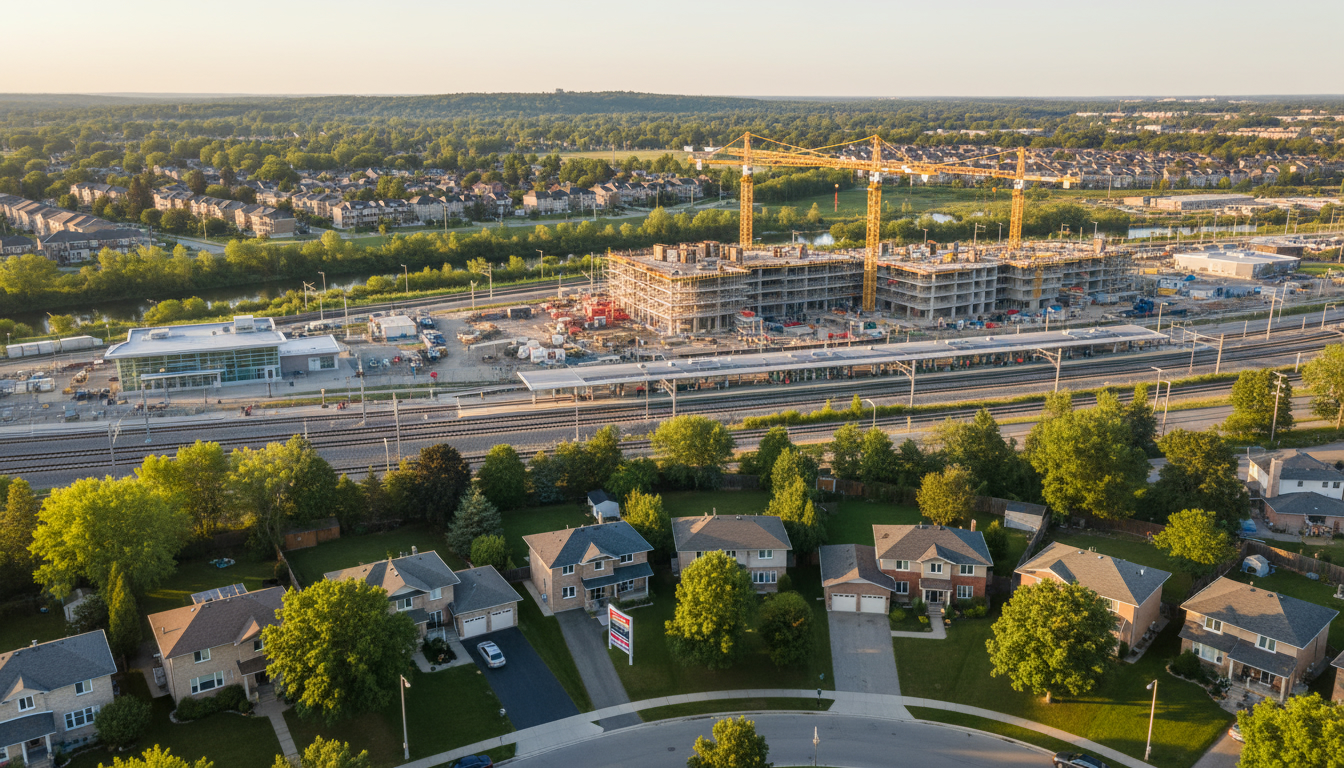
Infrastructure projects include public transit upgrades, GO station improvements, road widening, utility upgrades, new parks, municipal servicing, and commercial or mixed-use development near neighborhoods. In Halton Hills and Georgetown, the kinds of projects to watch are:
- Metrolinx and GO station upgrades and mobility-hub planning near Georgetown GO station
- Regional road and intersection improvements that shorten commutes to Highway 401 and Highway 7
- Municipal investments in parks, trails, and downtown streetscaping
- New multi-family or mixed-use developments that change density and buyer profile
You don’t need to track every shovel. Focus on projects within a 2–5 km radius of your property and projects that change commute times or daily life.

Why sellers should pay attention — the three-dollar math
1) Demand expands when commute times fall. More buyers compete for the same homes. Competition pushes price.
2) Buyer type changes. Transit and new retail attract young professionals and downsizers willing to pay a premium for access.
3) Risk and nuisance rise during construction. Noise, dust, and temporary access changes reduce buyer interest until the work finishes.
That means sellers face a trade-off: list early and sell before improvement-driven demand fully triggers, or wait and market into the completed benefit. Which option is right depends on your timeline and the project’s stage.
Local market trends in Georgetown every seller must know
- Buyer pool: Georgetown is a commuter market for GTA buyers who want lower prices and quick access. Any transit or road improvement increases that pool immediately.
- Inventory: Recent years show constrained supply in Halton Region. Less inventory + more buyers = stronger seller power.
- Price sensitivity: Homes within walking distance of transit and downtown amenities capture higher per-square-foot prices than suburban-only locations.
- Selling speed: Properties listed near announced infrastructure often sell faster once the project advances from planning to approved funding.
These are general truths. Validate them for your street by reviewing sales in the past 6–12 months with a local agent.
Actionable playbook for sellers in Georgetown
1) Map the project and the timeline
- Get the official project page (Halton Region, Town of Halton Hills, Metrolinx). Note announcement date, approval stage, construction start, and completion estimates.
- Draw a simple radius map: 0–500m, 500–1500m, 1500–5000m. Proximity matters.
2) Value the change, not the promise
- Shorten commute by 10–20 minutes = measurable buyer demand. Use recent sales in areas with similar commute times as comps.
- New amenities = lifestyle premium. Quantify by comparing sales 1 year before and 1 year after a past similar project in Halton/Georgetown if available.
3) Decide listing timing (three scenarios)
- If you need a fast sale (under 60 days): List now. Price to reflect current market, and mention the upcoming project in marketing to attract buyers expecting future growth.
- If you can wait 6–18 months and the project is moving to construction: Consider holding. Once construction is underway and uncertainty falls, demand usually rises.
- If the project is only an idea or politically uncertain: Don’t gamble your sale. Price based on current comparables and avoid speculative premiums.
4) Tactical pricing and marketing
- Create two price lines: the market price now, and a strategic value range you expect post-completion. Use the lower number for quick sells and the higher number for hold-and-market.
- Market the upside: professional listing copy that explains the project, commute changes, and planned amenities. Use before-and-after visuals and distance/time maps.
- Target buyers: list on commuter platforms, social ads targeting Toronto and Milton, and showcase proximity to the GO station.
5) Inspections, disclosures, and negotiations
- Disclose known construction timelines and any municipal notices. Transparency builds trust and avoids closing delays.
- Anticipate construction-related negotiation points: temporary access, parking changes, or dust impact. Offer short-term concessions or flexible closing dates instead of price cuts.
6) Stage the home for the buyer who will pay
- If the project attracts young professionals: modern, low-maintenance staging, emphasize transit access and work-from-home space.
- If it attracts downsizers: highlight walkability, nearby services, and low-maintenance yard options.
Examples of seller moves that work in Georgetown
- List a family home 1.2 km from the GO station right after confirmed funding is announced. Price to the market but emphasize the mobility hub in listing materials. Result: multiple offers from commuters who acted fast.
- Wait until road widening completes before listing a condo to capture buyers avoiding traffic. Use the ‘less commute’ angle to justify a 3–7% price premium.
These are repeatable plays. The specifics change by street and property. Use a local agent who tracks approvals and buyer behavior every week.

Red flags: when infrastructure hurts value
- Long-term unresolved expropriation risk. If your property is slated for expropriation, its sale value will fall.
- Major utility corridors or highway expansions that slice through a neighborhood. Noise and lost green space reduce demand.
- Projects with no confirmed funding or many political hurdles. They add uncertainty without guaranteed benefit.
In those cases, price for risk or sell before announcements escalate uncertainty.
How I (your local advisor) turn projects into seller advantage
- I monitor planning meetings, council minutes, and Metrolinx updates weekly.
- I pull hyperlocal comps within 1 km and compare pre- and post-announcement price movement.
- I map buyer origins using showing data to target Toronto and western GTA buyers when transit upgrades appear.
If you want this done for your address, contact me. I’ll show the exact dollar impact and a tailored timing plan.
Quick checklist before you list
- Check project approval and construction schedule.
- Pull comps within 1 km and within the last 6–12 months.
- Decide: list now, wait for construction, or sell early if there’s expropriation risk.
- Prepare marketing that frames the project as a benefit for the buyer.
- Disclose municipal notices and be ready to negotiate construction concerns.
Pricing rules of thumb
- Within 500m of a confirmed mobility hub: price +3–8% above similar non-transit properties when demand is strong.
- Within 500–1500m: price +1–4% depending on walkability and access.
- If the project is only announced with no funding: assume zero premium until it’s funded or under construction.
Use these as starting points. Local comps are the final word.
Call to action
If you’re a Georgetown seller and want a precise, no-nonsense plan, get a tailored analysis. I’ll map projects, build a timing strategy, and give a price range you can act on.
Contact: tony@sousasells.ca | 416-477-2620 | https://www.sousasells.ca
FAQ — What Georgetown home sellers ask about infrastructure projects
Q: Will an announced transit project always increase my home’s value?
A: No. Announcements increase interest, but value follows confirmed funding and reduced uncertainty. Proximity, timeline, and type of project matter.
Q: Should I sell before construction starts to avoid nuisance buyers?
A: If you need a fast sale, yes — sell now. But if you can wait and construction is confirmed, you can often capture higher prices once the project advances.
Q: How do I estimate the premium my home could get?
A: Use recent sales within 1 km that occurred after similar project milestones. Adjust for condition and lot size. A local agent can run this in 48 hours.
Q: Will construction scare buyers away?
A: Short-term yes. Many buyers pause viewings during heavy works. Marketing and flexible closing can overcome this.
Q: What disclosure obligations do I have?
A: Disclose any municipal notices, expropriation threats, or construction access changes. Full transparency reduces closing risk.
Q: Can I price higher if a project is only proposed?
A: Don’t. Buyers discount speculative improvements. Price for current comparables and present the proposed project as potential future upside.
Q: How do I choose the right selling window?
A: Evaluate your timeline, the project stage, and local demand. If the project is funded and opening within 12–24 months, consider waiting. If funding is uncertain, sell now.
Q: Should I get inspections related to construction risk?
A: Order standard home inspections. For specific risks (e.g., nearby utility work), ask a civil or structural consultant if warranted.
Q: How much difference does proximity to the GO station make?
A: Proximity changes buyer type and price per sq. ft. Homes within walking distance to a confirmed transit hub attract commuters and often sell faster at a premium.
Q: Where can I get official project timelines?
A: Halton Region, Town of Halton Hills, Metrolinx, and municipal council minutes. A local agent will pull and interpret the documents for you.
If you want this mapped to your exact address, I’ll run the numbers, show comparable sales, and give a clear go/no-go recommendation.
Contact: tony@sousasells.ca | 416-477-2620 | https://www.sousasells.ca