Are there risks in older homes I should know
about?
Worried older homes hide costly problems? Read this—Georgetown sellers, this will save you time and money.
Why this matters right now
Older homes sell for character and history. They also sell for problems buyers discover during an inspection. That discovery kills deals, lowers offers, or forces you to pay for repairs you didn’t plan for.
If you’re selling in Georgetown, Ontario, you don’t want surprises. Local weather, common construction methods, and older systems create predictable risks. Identify them, fix the important ones, and you walk to the closing table in control.
This post tells you the exact risks to watch for, what they typically cost, what to repair before listing, and how to use a pre-listing inspection to make buyers compete, not haggle.
Top risks in older homes — quick list
- Structural problems: foundation cracks, uneven floors, settling
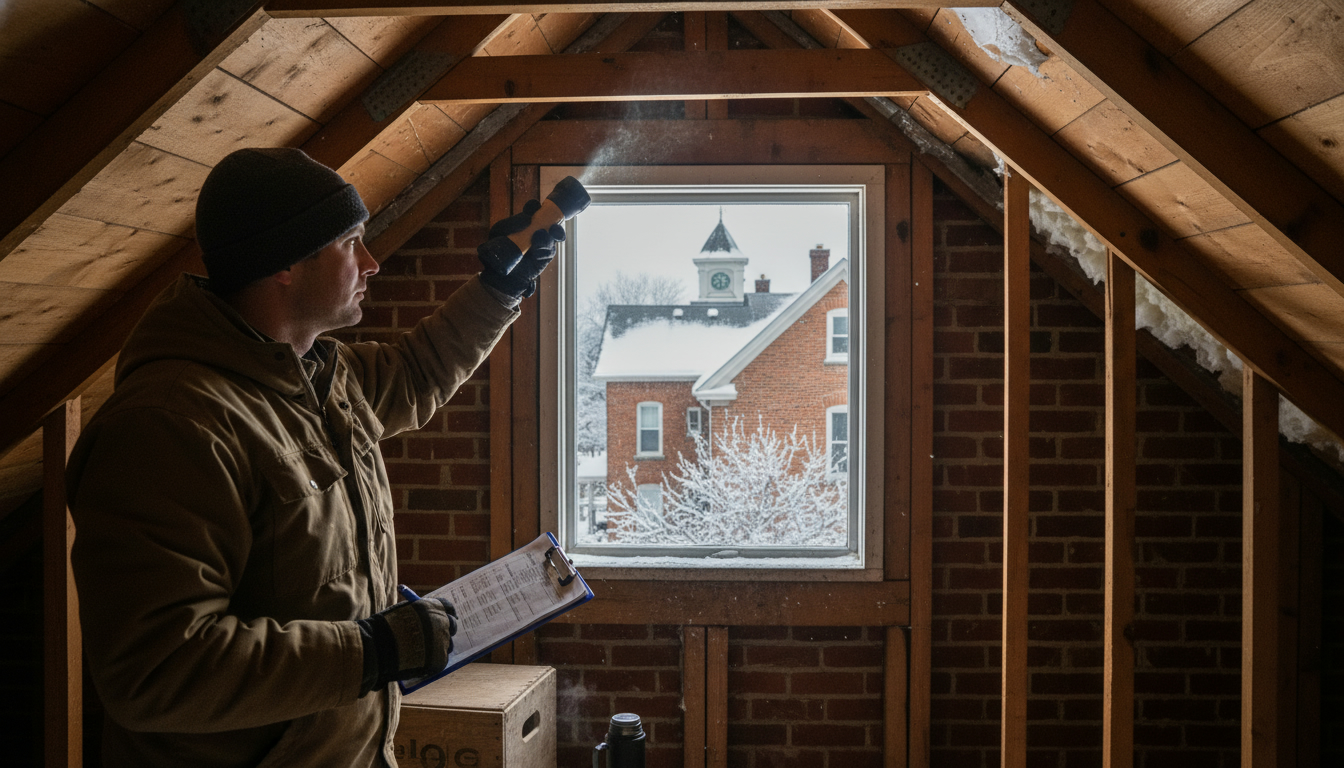
- Roof and attic issues: missing shingles, rot, ice dam damage
- Plumbing problems: cast-iron/sewer failure, galvanized/lead pipes, frozen pipes
- Electrical hazards: knob-and-tube wiring, fuses, overloaded panels
- Hazardous materials: asbestos, lead paint, vermiculite insulation
- Heating, cooling, and chimney: inefficient or dangerous systems
- Mold, moisture, basement water and poor drainage
- Radon and indoor air quality
- Unpermitted renovations and code non-compliance
- Insurance and mortgage hurdles for certain systems
Each of these can be a deal-breaker for buyers or a negotiation lever they use to drop price. Below is what to look for and what to do about it.
Details and local context (Georgetown, ON)
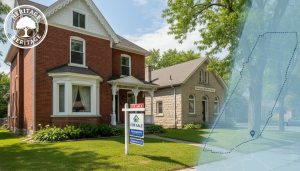
Georgetown’s older neighborhoods often include homes built in the early to mid-1900s. That means original plumbing, wiring, and sometimes older foundations. The cold Ontario winters plus freeze-thaw cycles stress masonry, roof lines, and drainage. Downtown homes often have narrow lots and older drainage setups that can allow basement water during spring thaw.
Know this: local buyers expect charm. They also expect transparency. If you present a clean inspection report, you get confidence—and better offers.
Problem-by-problem: what to inspect and why it matters
Foundation and structure
What to look for: vertical or stair-step cracks, bowing walls, sloping floors, doors that don’t close.
Why it matters: structural repairs are costly. Buyers factor risk into offers.
Quick fix vs big job: small hairline cracks — monitor and document. Horizontal cracks or active movement — get an engineer and plan for repair.
Estimated cost range (Ontario): minor repairs $500–$2,500; structural repair $5,000–$30,000+ depending on scope.
Roof, attic, ice dams
What to look for: missing shingles, rot at eaves, poor ventilation, insulation issues.
Why it matters: leaks lead to mold, insulation damage, and rafters rot.
Quick fix vs big job: replace flashing and a section of shingles for small leaks; full roof replacement $5,000–$15,000 depending on material.
Plumbing and sewer
What to look for: old cast-iron or galvanized lines, slow drains, sewer smell, sump-pump age.
Why it matters: sewer failure can cause major expense and health issues. Frozen pipes can burst in winter.
Typical costs: sewer replacement $4,000–$12,000 (partial); cast-iron replacements can be expensive. Re-piping interior sections $2,000–$8,000.
Electrical
What to look for: knob-and-tube wiring, fuses instead of breakers, ungrounded outlets, DIY splices.
Why it matters: fire risk and insurers sometimes refuse coverage or charge more.
Action: upgrade panel and rewire problem circuits. Bring a licensed electrician to provide a quote.
Costs: targeted fixes $500–$2,000; full rewire $8,000–$25,000.
Asbestos, lead paint, and hazardous materials
What to look for: original floor tiles, pipe wrap, insulation, textured plaster, old paint.
Why it matters: removal or containment is required for safety in many cases and scares buyers.
Approach: test first. If present, decide between abatement or containment. Use licensed contractors.
Costs: testing $200–$500 per sample; abatement varies widely $1,000–$10,000+.
HVAC and chimneys
What to look for: old furnaces, clogged chimneys, blocked flues, inefficient systems.
Why it matters: safety (CO risks), and buyers care about efficiency and lifespan.
Costs: new furnace $3,500–$8,000; chimney repair $500–$5,000.
Mold and moisture
What to look for: musty smells, discoloration, peeling paint, efflorescence on basement walls.
Why it matters: health concerns, lender or insurance red flags.
Fixes: find water source, seal, fix drainage, dehumidify, and remediate visible mold.
Costs: remediation $500–$7,000 depending on severity.
Radon
What to look for: test results. Radon is invisible.
Why it matters: health risk and growing awareness may scare buyers.
Action: conduct a 3–7 day test or long-term test. Mitigation often costs $1,500–$3,000.
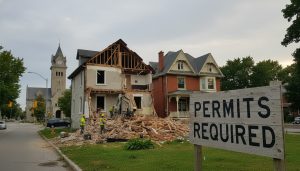
Unpermitted work and code
What to look for: finishing in basements without permits, added rooms, changed service panels.
Why it matters: buyer lenders and insurers ask. Unpermitted work reduces value and can force remediation.
Action: gather permits or get a contractor to bring work up to code.
Costs vary widely.
Smart seller moves: pre-listing inspection strategy
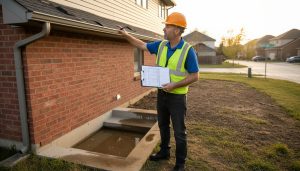
- Order a pre-listing inspection from a licensed local inspector. Treat it like an investment. It eliminates surprises.
- Prioritize repairs that increase buyer confidence: safety (electrical, gas), water control (roof, gutters, grading), sewer, and mold.
- Get contractor quotes for larger items and present them with the inspection report on listing day.
- Consider offering a home warranty for older systems—buyers love low-risk purchases.
- Price for known large issues if you choose not to repair. Don’t hide problems.
Why it works: buyers lowball when they find problems. A reported and repaired issue removes the buyer’s leverage and speeds sales.
Negotiation tactics for sellers
- Use a pre-listing report to justify asking price.
- Offer repair receipts and contractor quotes instead of doing every fix; buyers accept documented transparency.
- If you can’t or won’t repair, subtract the verified repair cost from your asking price and be honest in listing notes.
- Use price instead of repairs when the cost to fix exceeds the jump in sale price after repair.
When to call a pro
- Visible structural movement
- Active leaks or sewage backup
- Knob-and-tube wiring or DIY electrical work
- Positive radon tests
- Widespread asbestos or suspected hazardous materials
Always get licensed, insured contractors with local references. In Georgetown, a contractor familiar with local soil, drainage, and freeze-thaw issues is critical.

Cost vs. value decision guide (sell-as-is vs repair)
- If repair cost < 2–3% of list price: repair it.
- If repair cost 3–7%: consider strategic repairs that remove buyer objections, or factor costs into price and disclose honestly.
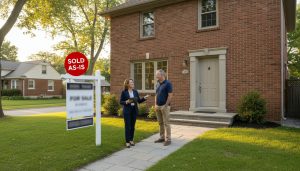
- If repair cost > 7%: get quotes, consult your agent, and consider “sold as-is” with adjusted price. Expect longer time on market.
Final checklist before listing (Georgetown sellers)
- Get a pre-listing inspection
- Fix safety hazards: electrical, gas, CO risks
- Repair roof and ensure proper ventilation
- Confirm sewer and sump pump operation
- Test for radon and remediate if needed
- Document all repairs and obtain receipts
- Disclose known material defects truthfully
- Consider a home warranty to reduce buyer resistance
Call to action
If you sell without this checklist, you will meet costly surprises during inspection. Georgetown buyers are savvy. Act early. Order a pre-listing inspection, fix the priorities, and list with confidence.
For help navigating inspections and contractor estimates in Georgetown, contact Tony Sousa. He will connect you to local pros, help interpret reports, and position your home for the best sale.
Tony Sousa — Local Realtor, Georgetown & Halton Hills
Email: tony@sousasells.ca
Phone: 416-477-2620
Website: https://www.sousasells.ca
FAQ — Common seller questions in Georgetown, ON
Q: Do I have to disclose every issue I know about?
A: In Ontario you must not misrepresent your property or conceal known material defects. Always be honest. Gather documentation, and work with your lawyer or agent if you’re unsure what to disclose.
Q: How much does a home inspection cost in Georgetown?
A: Typical inspection costs range from $400–$700 depending on size and age. Specialized tests (radon, asbestos) add costs.
Q: Should I do a pre-listing inspection?
A: Yes. It removes surprise negotiation points and empowers you. A pre-listing inspection often pays for itself by reducing price drops and lost deals.
Q: What are the biggest deal killers for Georgetown buyers?
A: Active water issues, sewer failure, knob-and-tube wiring, and roof problems. Radon and major structural issues are also big concerns.
Q: How long does an inspection take?
A: A standard inspection takes 2–4 hours. Add time for specialized tests.
Q: Who pays for repairs requested after inspection?
A: Negotiable. Buyers often request repairs or credits. As seller you can repair, offer a concession, or adjust price.
Q: Will insurance cover old systems?
A: Insurers may decline coverage or charge higher premiums for knob-and-tube wiring, old heating systems, or homes with recurring water issues. Check with insurers before listing if you suspect problems.
Q: How do I handle unpermitted renovations?
A: Disclose them. Get contractor quotes to bring them up to code if feasible. If not feasible, price accordingly and disclose.
Q: Should I test for radon?
A: Yes. Radon testing is inexpensive and increasingly common. If high, mitigation is straightforward and adds buyer confidence.
Q: How much should I budget for common repairs?
A: Minor repairs and safety fixes: $1,000–$5,000. Moderate systems work (HVAC, partial rewire): $5,000–$15,000. Major structural or full rewire/repiping: $15,000+.
Q: Where do I find reliable local contractors?
A: Ask your realtor for vetted local pros. If you’re working with me, I’ll provide licensed contractors with Georgetown experience and written quotes.
If you want a copy of the exact pre-listing inspection checklist tailored for your Georgetown home, email tony@sousasells.ca or call 416-477-2620. I’ll send it same day and help you decide what to fix before you list.