Are there pre-construction investment
opportunities?
Are there pre-construction investment opportunities? — The surprising truth every Georgetown homeowner must read now.
Why this matters if you’re selling in Georgetown
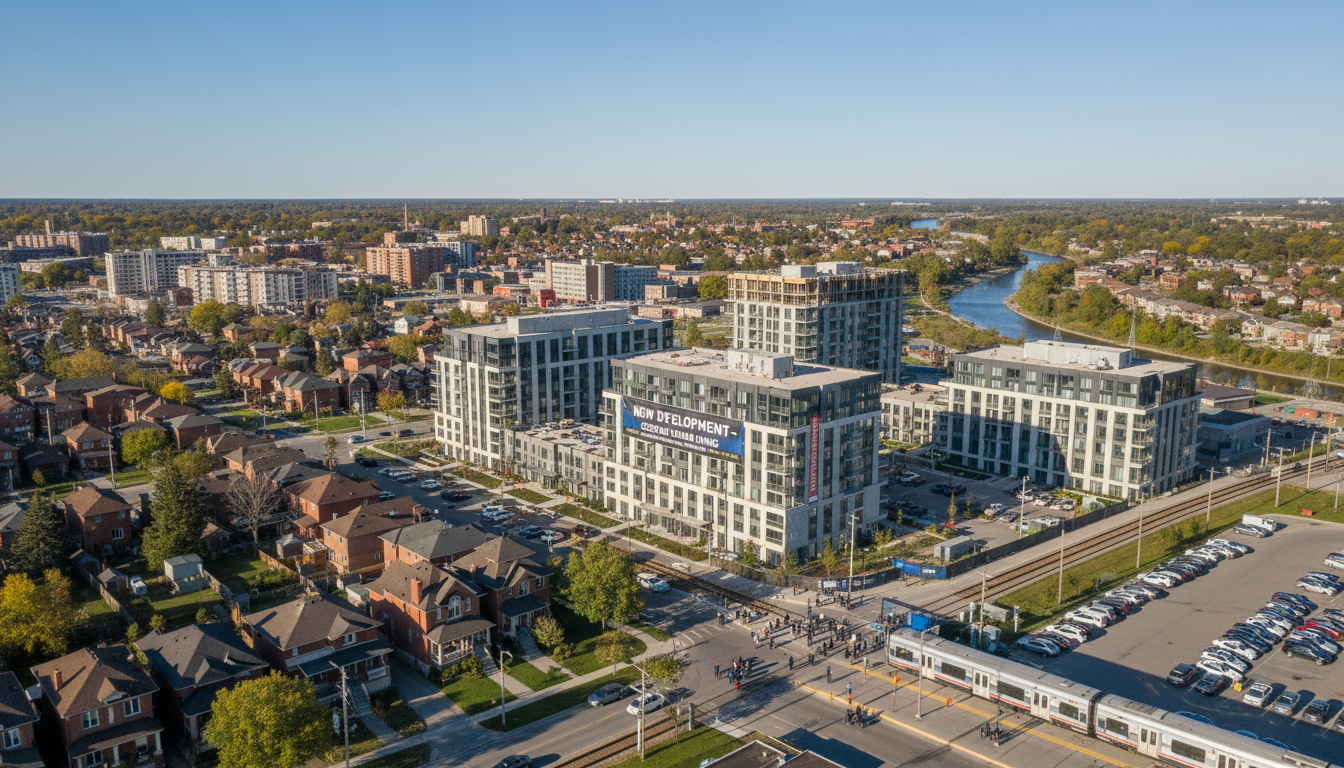
If you own a home in Georgetown and you’re thinking about selling, understanding pre-construction investment opportunities changes the game. New developments shape comps, buyer demand, and pricing windows. Act without this knowledge and you leave money on the table. Move with it and you control timing, price, and options.
This guide cuts through hype. It shows how pre-construction deals work, why Georgetown is different, the risks, and the exact moves a seller can make to gain leverage. No fluff. Actionable steps. Local focus.
What is a pre-construction investment? A quick, direct definition
Pre-construction investment means buying property from a developer before the building is finished. You reserve a unit with a deposit, often at a lower price than completed inventory. That reservation can be:
- Bought and held as an investment (rent or flip after closing).
- Assigned to another buyer before closing (assignment sale) for potential profit.
- Used strategically by homeowners to time a sale or upgrade.
Key mechanics: deposit schedule, estimated occupancy (closing) date, assignment rules, condo fees forecast, development approvals.
Why pre-construction matters to Georgetown specifically
Georgetown isn’t Toronto. That matters.
- Commuter appeal: The GO station and transit links keep demand steady from buyers seeking cheaper alternatives to the core. New builds attract commuters and families wanting modern finishes.
- Land limits: Georgetown’s older neighbourhoods and conservation areas restrict large-scale sprawl. When a developer gets a block-approved site, inventory fills quickly. That drives faster absorption of new units and supports price stability.
- Diverse buyer mix: Local downsizers, first-time buyers, and Toronto commuters all target pre-construction product differently. Each group affects pricing, floorplan demand, and resale velocity.
- Planned growth: Municipal plans and infill projects often prioritize mid-rise and townhouse developments. That shapes what buyers want and what comps will look like in 12–36 months.
Put simply: pre-construction projects in Georgetown move markets. They change what comparable sales mean within neighborhoods. Sellers need to anticipate that.

Property types in Georgetown that benefit from pre-construction activity
When a new project is announced, some property types get hit harder—others get a lift.
- Townhouses: Direct competition to older single-family homes on smaller lots. New townhouses sell on modern layouts and lower maintenance. If your home competes on price, expect more buyer negotiators.
- Stacked condos / Low-rise condos: Attract first-time buyers and investors. They set the floor for entry-level prices in a neighbourhood.
- Single-family detached (larger homes): Less direct competition, but new luxury townhomes or amenity-rich condos can siphon move-down buyers if pricing is aggressive.
Sellers should map active pre-construction offers to their property type before listing.
Real seller strategies: How to use pre-construction to sell smarter
These are exact moves you can make today.
-
Time your listing. If a major project is launching in 3–6 months, either sell before the launch when competition is lower or wait until the market absorbs early presales. Don’t list at the peak of a new project launch unless you’re priced to win.
-
Use developer comparables. Developers publish floorplans and pricing. Add those figures to your CMA. Buyers will compare finishes; make your upgrades visible and priced accordingly.
-
Market the lifestyle difference. New builds sell on modern kitchens, windows, and amenities. If your property excels on lot size, mature trees, or unique character, lead with that. Position your home as rare vs. “cookie-cutter new.”
-
Consider buying into pre-construction yourself. If you plan to buy after selling, a pre-construction deposit can secure a brand-new home while your current property sells. It avoids double moves and lets you lock pricing in a rising market.
-
Negotiate conditional windows. Ask buyers to match occupancy timing or allow rent-back agreements. That reduces pressure if you’re buying a pre-construction unit with a far future closing.
-
Shorten exposure to assignment risk. If you prefer stability, avoid listing at the same time as a huge presale launch in your neighbourhood. If you want speed, market aggressively the week before a developer’s release.
Risk checklist for sellers and investors (the non-emotional checklist)
Treat pre-construction like any financial decision. Check these items before you act.
- Builder reputation: Look for track record, warranty service, and completion history.
- Deposit structure: Is the deposit schedule manageable? Watch for escalating deposits.
- Assignment policy: Some projects restrict assignments or apply fees. Confirm with the sales office and your lawyer.
- Occupancy fees and interim occupancy: Understand these costs. They can be significant and affect cash flow.
- Condo fees forecast: Request a pro forma for maintenance fees and reserve fund contributions.
- Local approvals and infrastructure plans: Ensure the project has municipal approvals and no known delays.
- Market absorption: Are prior phases selling quickly? Slow sales can push closing dates and prices.
If any box is unchecked, adjust your offer or timing.
How pre-construction investment affects pricing and comps in Georgetown
When developers release units, they set a local price anchor. That anchor reshapes comparable sales used by appraisers and buyers.
- New builds with strong finishes can pull up average prices in a pocket.
- Aggressive pricing can suppress comparable values for existing homes for a season.
- Rapid absorption sends a signal: demand exists. Appraisers may weigh new-sale prices into value opinions.
Sellers should brief their agent (use a local specialist) to report pre-construction price lists in the CMA and present a counter-narrative: why your house commands its figure despite new options.

Concrete examples of seller outcomes (what to expect)
- Seller A lists a 3-bed bungalow the week before a new townhouse launch. They marketed lot, privacy, and upgrade potential. Result: multiple offers at or above ask because buyers saw value versus cookie-cutter units.
- Seller B ignored an upcoming condo release and listed during the launch. Showings dipped. They relisted four weeks later with a smaller price and sold below agent expectations.
Lesson: timing + positioning beats reaction.
Step-by-step playbook for sellers in Georgetown
- Audit nearby pre-construction projects within 3 km and record launch dates and pricing.
- Order a current market analysis that includes developer price lists.
- Decide timing: sell before launch, sell early, or wait for absorption. Your agent helps choose the best window.
- If buying new: secure a pre-construction unit with a manageable deposit schedule and a lawyer review.
- Use targeted marketing: highlight features new builds lack (lot size, mature trees, basement ceilings, original millwork).
- Use conditional bridge financing or rent-back to align moving dates with occupancy.
Local data sources and where to get live numbers
For up-to-date figures check:
- MLS/Homes listings for Halton Hills and Georgetown.
- Halton Region market reports.
- Developers’ sales centres and project brochures.
- CREA / TRREB market snapshots for region-wide trends.
Your real estate agent can pull customised reports showing absorption rates and developer sales velocity.
Internal linking suggestions (SEO friendly)
Link to these site pages to keep readers on your site and boost SEO:
- /georgetown-homes-for-sale — for current inventory and buyer interest.
- /free-home-evaluation–georgetown — for sellers to request a valuation.
- /about-georgetown-market-trends — long-form local market reports.
Anchor text examples: “Georgetown homes for sale”, “free home evaluation in Georgetown“, “Georgetown market trends”.

Meta description ideas (pick one for SEO)
- “Georgetown sellers: Discover how pre-construction projects change local prices and the exact steps to sell for top dollar. Expert advice and action plan.”
- “Are there pre-construction investment opportunities in Georgetown? Learn how sellers profit, time listings, and use new builds to their advantage.”
FAQ — Quick answers optimized for voice search and featured snippets
Q: Are there pre-construction investment opportunities in Georgetown?
A: Yes. Georgetown attracts commuter buyers and downsizers. Developers release townhouses and low-rise condos that can offer below-market entry pricing and assignment profit opportunities when demand is strong.
Q: How do pre-construction projects affect my home sale price?
A: They set local price anchors. New units can lower demand for older, similar properties if priced aggressively. They can also raise neighbourhood averages if absorption is fast and upgrades are significant.
Q: Can sellers buy a pre-construction condo after selling their home?
A: Yes. Many sellers use proceeds to secure a pre-construction unit. Use conditional sale timelines, bridge financing, or rent-back agreements to align moving dates.
Q: What are the risks of investing in pre-construction in Georgetown?
A: Main risks: construction delays, changing market conditions, unexpected interim occupancy costs, and condo fees higher than forecast. Mitigate by checking builder history and reading pro formas.
Q: Are assignments allowed in Ontario?
A: Assignments are common but subject to each developer’s policy and sometimes to clauses in purchase agreements. Confirm assignment rules early and review with your lawyer.
Q: Which property types are most affected?
A: Townhouses and low-rise condos see the biggest impact. Detached homes feel pressure if competing price points align.
Q: Where can I get local pre-construction price lists?
A: Directly from builders’ sales centres, MLS listings, or your local Realtor who tracks pre-sales.
Final action plan — what to do next (direct steps)
- Do a quick scan: list any active pre-construction projects within 3 km of your house.
- Request a comparative market analysis that includes developer pricing.
- Decide your timing strategy with an agent who specializes in Georgetown.
- If you want a pre-construction purchase, line up a lawyer and confirm assignment and deposit terms.
If you want help now, get a no-nonsense market review and a timeline that fits your sale and purchase goals. Contact the Georgetown real estate specialist:
Tony Sousa, Realtor
Email: tony@sousasells.ca
Phone: 416-477-2620
Website: https://www.sousasells.ca
Sell smart. Time the market. Don’t let a developer’s launch rewrite your sale price overnight.