How do zoning laws affect my rural property sale?
Sell smart: How zoning rules can turn your Georgetown acreage into a hot sale — or a deal killer.
Why zoning is the single most important legal factor for rural sellers in Georgetown
You can have the best land, a gorgeous barn, and a luxury country home. But if zoning says you can’t do what buyers expect — subdivide, build a second dwelling, run a commercial equestrian business — you’ll shrink your buyer pool and your price. Zoning isn’t paperwork you sort out at closing. It’s a market filter buyers and lenders use at day one.
This post tells you exactly how zoning laws affect your rural property sale in Georgetown, Ontario, what to check, and what to fix before you list. No fluff. Actionable steps. Local details for Halton Hills, Conservation Halton, and the planning rules that matter.
Who controls zoning in Georgetown, ON — and why it matters
Multiple layers of rules can touch your land:
- Town of Halton Hills Zoning By-law — the ground rules for what you can build and where.
- Halton Region Official Plan — sets broader land-use direction and policies that local bylaws must follow.
- Provincial policies (Provincial Policy Statement, Greenbelt Plan) — can override local plans in protected areas.
- Niagara Escarpment Plan / Niagara Escarpment Commission — applies to properties inside the escarpment overlay.
- Conservation Halton (conservation authority) — regulates hazards (floodplains, wetlands) and may limit development.
If any of these apply to your lot, they can change what’s sellable and who’ll buy.
Common zoning barriers that kill deals — and how they show up in Georgetown
- Use restrictions: Agricultural (A), Rural (RU), Estate and Specialty zones often limit commercial activities, secondary dwellings, or short-term rentals. If your buyer wants a home-based business or a guest cottage, check permissible uses.
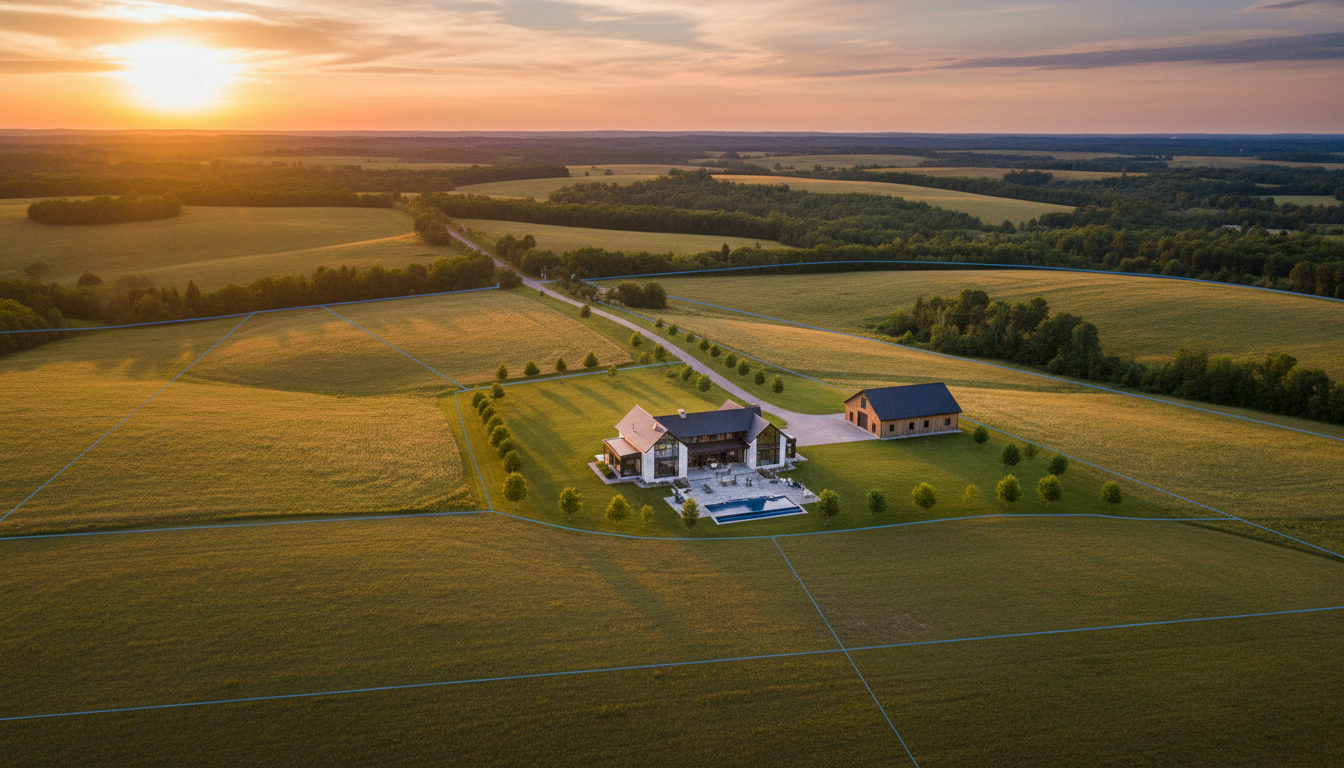
- Lot size and frontage: Rural parcels face minimum lot area and frontage rules. This affects severance (lot splits) and the buyer who wants to subdivide.
- Setbacks and lot coverage: Rules on how close buildings can sit to property lines and how much of the lot can be built on limit where a buyer can expand.
- Environmental overlays: Wetlands, valleys, and steep slopes are often protected by Conservation Halton and can block building or require expensive mitigation.
- Niagara Escarpment / Greenbelt overlays: If your property sits inside these areas you’ll face strict limits on new development and lot creation.
- Sewage and water rules: No municipal water/sewer in rural Georgetown. Septic capacity or well location problems can stop a sale or lead to lender issues.
- Illegal or non-conforming uses: Structures or uses that predate current zoning but don’t meet rules can create red flags for buyers and banks.
How zoning affects price, time to sell, and financing
Price: Properties with clear, flexible zoning that allows desired uses command higher prices. A buyer who can build a carriage house or start an equestrian business will pay more.
Time to sell: Listings with zoning questions take longer. Buyers need time for due diligence, conditional offers, and potential rezoning or severance approvals.
Financing: Lenders require assurance the property is compliant and insurable. Non-compliance or absence of septic/well certificates can cause mortgage refusals or higher rates.
Pre-listing checklist — what every Georgetown rural seller must do
- Pull the zoning by-law and property zoning map from the Town of Halton Hills website.
- Get the Halton Region Official Plan designation for your parcel.
- Check for overlays: Niagara Escarpment, Greenbelt, or Conservation Halton restrictions.
- Order a current survey and an up-to-date site plan showing buildings, wells, septic tanks, and driveways.
- Request a zoning compliance letter or zoning certificate from the Town planning department (or ask your realtor to get it).
- Get septic and well certificates, and any available building permit history.
- Search for easements, rights-of-way, and restrictive covenants registered on title.
- If you’ve been operating a business or a non-permitted use, get professional advice early (lawyer + planner).
Do this before you list. Sellers who do the homework sell faster and closer to asking price.
How to handle specific situations — step-by-step
1) Buyer wants to subdivide or sever a lot
- What to check: Minimum lot size under zoning and regional plans; planning policies for lot creation; conservation or escarpment overlays.
- Action: Consult a planner for a pre-consult with Halton Hills planning staff. If severance is feasible, prepare a survey and application for Halton Region’s land division committee.
- Time/Cost: Expect months and fees. Factor this into price and timeline.
2) Buyer wants a second dwelling (carriage house, granny suite)
- What to check: Are accessory apartments or secondary suites permitted? What building standards and septic/well capacity are required?
- Action: If not permitted, a minor variance or rezoning might be necessary. If permitted, ensure permits and inspections are in order.
3) Buyer wants to run an equestrian or agri-business
- What to check: Zoning permissions for agricultural uses, setback requirements, manure storage, water access and environmental restrictions.
- Action: Provide documentation on existing uses, any environmental assessments, and a history of permits.
4) Property sits in a floodplain or near wetlands
- What to check: Conservation Halton mapping and permit requirements. Filling, grading, or building may be restricted.
- Action: Hire a qualified engineer or conservation consultant early. Obtain permits before listing if remediation is needed.
5) Property within Niagara Escarpment or Greenbelt
- What to check: NEP and Greenbelt policies on lot creation, new buildings, and resource protection.
- Action: Work with a planner experienced with NEC and provincial approvals. Understand the extra time and restrictions.

Negotiating strategy when zoning issues surface
- Be transparent in your listing. Show zoning documents and permit history. Buyers appreciate clarity and you avoid renegotiations later.
- Price for uncertainty. If there’s a conditional or costly fix, reduce price or offer a credit for rezoning/permits.
- Offer pre-approved solutions. If you’ve already obtained a minor variance or pre-consult, that is a marketing advantage.
- Use zoning as a selling point for qualified buyers. If the property’s zoning supports equestrian or hobby-farm uses, target those buyers.
Documentation every buyer and lender will ask for
- Current zoning designation and zoning compliance letter
- Survey and site plan
- Septic inspection and well certification
- Building permit history and occupancy certificates
- Copies of conservation or escarpment approvals (if any)
- Title search showing easements, covenants, and liens
Having these ready speeds closing and reduces risk of a financing conditional falling through.
Pricing: how to quantify zoning value
Two properties with identical land and houses can have very different values because of zoning. Ask: can the buyer subdivide? Add a rental unit? Operate a business? Each permitted option increases buyer demand and price. Work with an experienced rural realtor who can present comparable solds that reflect uses, not just house size.
Local market insight — what Georgetown buyers care about now
- Privacy and acreage for remote work and lifestyle.
- Clear septic and water systems — a top financing hurdle.
- Permitted accessory buildings and guest houses for family or rental income.
- Equestrian amenities and hobby-farm potential — buyers want clear permissions.
- Low maintenance environmental buffers — Conservation Halton restrictions are increasingly a factor.
Sellers who package zoning clarity and a use-friendly narrative sell faster.

When to call a professional: planner, lawyer, or your realtor
- Planner: If you want rezoning, minor variance, or severance. They know process, timelines, and likelihood of approval.
- Land-use lawyer: For title problems, covenants, complex easements, or when you need legal risk assessment.
- Realtor: For market strategy, comparable sales, and buyer targeting.
Tony Sousa combines rural market experience with a team of planners and lawyers who handle Georgetown’s complexities. That local network shortens timelines and reduces surprises.
Quick seller action plan — 30 days to prepare
Day 1–7: Order survey, pull zoning maps, request septic/well history.
Day 8–14: Get zoning compliance letter; search title for covenants and easements.
Day 15–21: Consult planner if any non-standard uses or overlays exist.
Day 22–30: Compile documentation packet for buyers and lenders; price strategically.
Start early. Fixing problems after an offer arrives costs time and money.
Final thought: Don’t guess — prove it
Buyers and banks don’t buy promises. They buy proof. Zoning proof. Septic proof. Legal proof. Sellers who bring proof to market win the buyers they want and the price they deserve.
If you’re selling a rural, luxury, or unique property in Georgetown and want a market plan that neutralizes zoning risk and maximizes value, contact Tony Sousa. He’ll connect you with local planners and lawyers and build a buyer-ready packet that sells.
Contact Tony Sousa
- Email: tony@sousasells.ca
- Phone: 416-477-2620
- Website: https://www.sousasells.ca
FAQ — Zoning and rural property sales in Georgetown, Ontario
Q: How do I find my property’s zoning in Georgetown?
A: Start at the Town of Halton Hills website zoning maps and the Halton Region Official Plan. Your realtor can pull a zoning compliance letter from planning staff.
Q: Does Conservation Halton control my ability to build?
A: If your lot sits in a regulated area (floodplain, wetlands, valley lands), Conservation Halton issues permits and can limit work. Always check their maps early.
Q: Will zoning stop me from selling to a buyer who wants a guest house?
A: Possibly. If secondary dwellings or accessory apartments aren’t permitted, the buyer must seek a minor variance or rezoning. That adds time and cost.
Q: What if my property is in the Niagara Escarpment Plan area?
A: The Niagara Escarpment Commission has strict rules on lot creation and new buildings. Expect longer approvals and limited options.
Q: Can buyers get mortgages on rural properties with non-conforming buildings?
A: Lenders want certainty. Non-conforming uses are riskier. Getting a legal opinion, permits, or a zoning compliance certificate improves finance chances.
Q: How long does it take to get a rezoning or severance approved in Halton Hills?
A: It varies. Minor variances can take a few months; rezonings and severances often take several months to over a year, depending on complexity and required studies.
Q: Should I disclose a zoning violation before listing?
A: Yes. Full disclosure avoids later legal and negotiation issues. Fixing violations before listing improves sale certainty.
Q: Who pays for planning approvals if required during sale?
A: Negotiable. Often the buyer pays for their desired changes, but sellers may offer credits or complete approvals to speed sale.
If you want a buyer-ready package and a local market strategy that turns zoning from a liability into a selling point, reach out to Tony Sousa at tony@sousasells.ca or 416-477-2620.