What issues do inspectors commonly find in
Ontario homes?
Shocking: These 10 Problems Inspectors Always Find in Georgetown Homes — Is Yours Next?
Why every Georgetown home seller needs to read this
You want one thing: sell your house fast for top dollar. Inspections decide the sale. In Georgetown, ON, inspectors repeatedly find the same problems that kill deals or shave tens of thousands off the price. This post goes straight to those problems, shows why they matter to buyers and gives clear, implementable fixes that sellers can use today.
No fluff. No scare tactics. Just a direct plan to protect your equity.
Top issues home inspectors find in Ontario homes — and why Georgetown homeowners should care
These are the most common and most costly problems inspectors find. Each section explains the issue, why it matters to buyers in Georgetown, and what you can do right now.
1) Roof wear, leaks, and aging shingles
What inspectors find: missing shingles, damaged flashing, leaking valleys, and aging asphalt roofs.
Why it matters in Georgetown: cold winters, freeze-thaw cycles, and heavy spring rains accelerate roof failure. Buyers worry about immediate replacement costs.
Quick fix: replace damaged shingles, repair flashing, clear gutters and downspouts. If the roof is past 15–20 years, get an honest estimate and consider a partial or full replacement before listing.
Estimated cost (Ontario): repairs $200–$1,200; roof replacement $5,000–$15,000 depending on size.
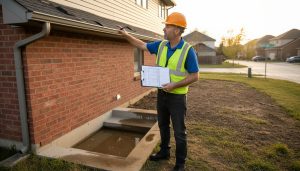
2) Poor drainage and foundation moisture
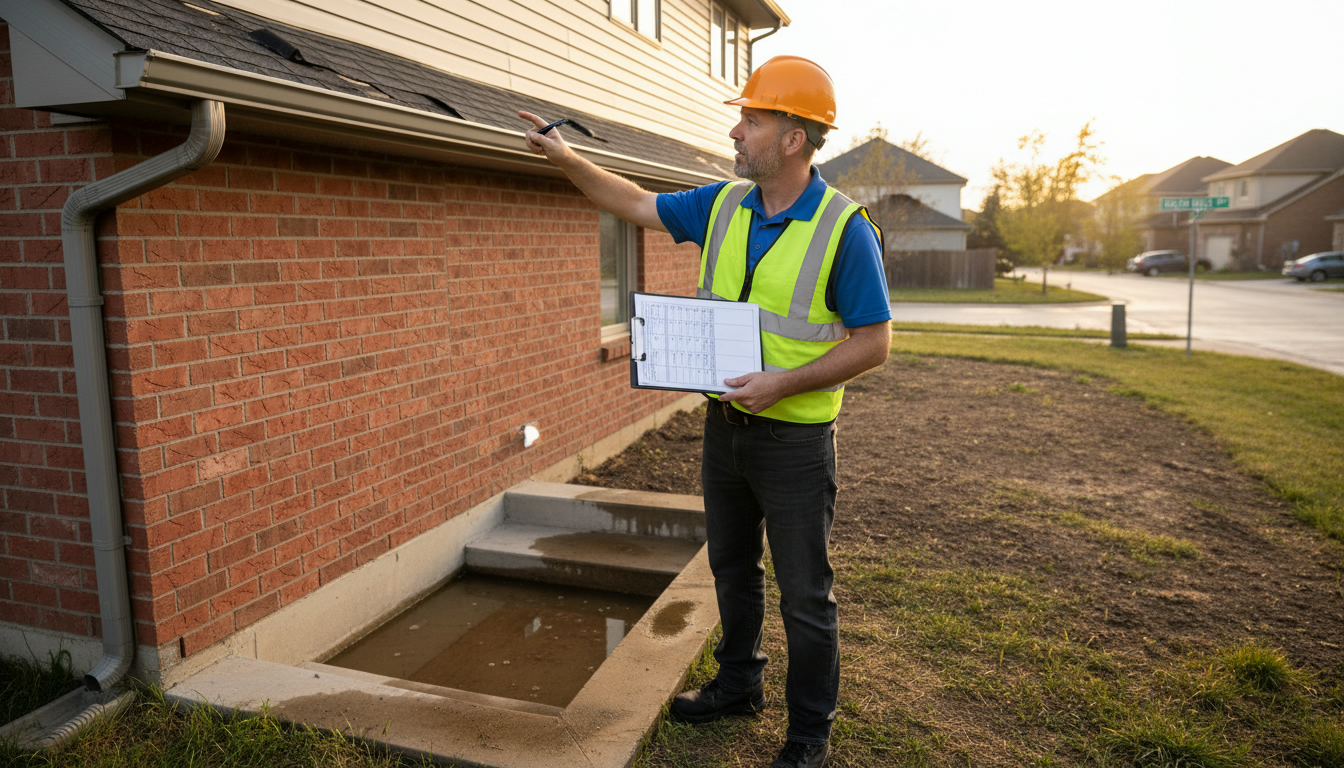
What inspectors find: poor grading, clogged downspouts, hydrostatic pressure signs, basement dampness, and efflorescence.
Why it matters in Georgetown: many properties sit on clay soil. Poor drainage leads to basement water, mold, and structural risks. Buyers see water issues as high-risk.
Quick fix: regrade around the house, extend downspouts, install simple exterior drainage or interior sump pumps where necessary.
Estimated cost: grading and gutter work $500–$2,500; sump pump $800–$2,500.
3) Electrical hazards and outdated wiring
What inspectors find: overloaded panels, knob-and-tube, aluminum wiring, missing grounding, DIY splices, and insufficient AFCI/GFCI protection.
Why it matters in Georgetown: older homes downtown often have outdated systems. Electrical problems are safety issues buyers won’t ignore.
Quick fix: hire a licensed electrician to correct safety defects, add GFCI outlets in bathrooms/kitchens, and label the panel.
Estimated cost: safety fixes $200–$1,500; panel upgrades $1,500–$4,000.
4) Heating, ventilation and AC issues (HVAC)
What inspectors find: old furnaces, cracked heat exchangers, dirty ducts, poor ventilation, inefficient systems.
Why it matters in Georgetown: cold winters make heating reliability essential. Buyers factor replacement or servicing into offers.
Quick fix: service the furnace, change filters, clean ducts if needed, and get service records. Consider replacement if older than 15 years.
Estimated cost: service $100–$300; furnace replacement $3,000–$8,000.
5) Plumbing leaks, water heaters, and poor water supply
What inspectors find: slow drains, active leaks, corroded pipes, old water heaters, and evidence of past water damage.
Why it matters in Georgetown: municipal water is common in town, but older homes may have galvanized pipes. Water issues reduce buyer confidence.
Quick fix: fix visible leaks, replace failing water heaters, add shut-off valves, and provide documentation for any recent plumbing work.
Estimated cost: leak repairs $150–$800; water heater replacement $700–$2,000.
6) Insulation and ventilation problems
What inspectors find: under-insulated attics, missing vapor barriers, blocked soffit vents, and inadequate attic ventilation.
Why it matters in Georgetown: poor insulation increases heating bills and causes ice dams on roofs, which lead to leaks.
Quick fix: add attic insulation, clear vents, install baffles, and seal attic penetrations.
Estimated cost: insulation top-up $500–$2,000.
7) Windows and doors that don’t work or leak
What inspectors find: rotting frames, broken seals, foggy double-pane glass, and doors that don’t latch.
Why it matters in Georgetown: old windows reduce energy efficiency and suggest deferred maintenance.
Quick fix: repair or replace weatherstripping, reglaze broken panes, or replace the most inefficient units.
Estimated cost: repairs $100–$800; replacement windows $300–$1,000 each.
8) Basement issues: finished basements hiding problems
What inspectors find: hidden moisture, mold, improper egress, and non-permitted renovations.
Why it matters in Georgetown: buyers want usable space that’s legal and dry. Non-permitted work can cause closing delays or demands for remediation.
Quick fix: disclose renovations, get permits retroactively if possible, fix moisture sources, and ensure proper egress for bedrooms.
Estimated cost: mold remediation $500–$6,000; permits vary by municipality.
9) Exterior cladding and structural problems
What inspectors find: rot in siding, damaged brick/stonework, failing decks, and visible structural movement.
Why it matters in Georgetown: curb appeal and safety. Buyers worry about ongoing structural repair costs.
Quick fix: replace rotted trim, repair or rebuild decks with proper footings, and consult a structural engineer for serious movement.
Estimated cost: trim/siding repairs $200–$2,000; deck repair $500–$7,000.
10) Environmental and local issues: wells, septic, and older contaminants
What inspectors find in rural or older Georgetown properties: failing septic systems, well water quality issues, and older home contaminants (asbestos, lead paint).
Why it matters in Georgetown: Halton Hills includes rural pockets. Buyers expect clear health and safety documentation.
Quick fix: perform well-water testing, get septic inspections, disclose known concerns, and budget for remediation if needed.
Estimated cost: well testing $100–$300; septic pump/repair $500–$5,000.
Pre-listing inspection: the simplest way to protect your sale
Do this: order a pre-listing home inspection. It costs a few hundred dollars. It saves tens of thousands.
Why it works:
- You control the timing. Fix issues quietly before buyers look.
- It removes surprise repairs that derail offers.
- You can price strategically and market the home as “inspected and repaired”.
How to use the report: prioritize safety items first (electrical, gas, structural). Fix visible water and roof issues next. For cosmetic or low-cost items, consider a credit or reduced price if the market won’t support repair costs upfront.

A 7-step pre-listing checklist for Georgetown sellers
- Book a licensed home inspector experienced in Georgetown / Halton Hills. Look for good reviews and sample reports.
- Fix all safety hazards: exposed wiring, gas leaks, railings, stairs.
- Repair visible roof and gutter issues.
- Clear grading and downspouts; test sump pumps if present.
- Service HVAC and water heater; replace filters and produce records.
- Seal attic and basement penetrations; add insulation if needed.
- Disclose any historical renovations and provide permits when available.
Follow this and you cut negotiation leverage by 70%.
How inspectors report problems — and how buyers react
Inspectors categorize findings into safety concerns, major defects, and maintenance issues. Buyers and lawyers treat “major defects” like bargaining chips. If your report shows multiple major defects, expect lower offers or conditional sales.
Sellers who pre-fix issues close faster and receive stronger offers. Plain fact.
Local rules and permits in Georgetown, ON
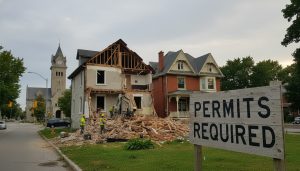
Georgetown is part of Halton Hills. Renovations that affect structure, plumbing, electrical, or occupancy usually need permits. Non-permitted work often shows up on an inspection and forces either repairs or retroactive permits. Get a quick call with the local building department before major work.
Halton Hills building permits and documentation reduce closing friction and speed up bank appraisals.
Negotiation tactics for sellers when an inspection reveals issues
- Prioritize: safety first. Fix it and provide receipts. Buyers won’t fight over resolved safety hazards.
- Be transparent. Provide the pre-listing inspection and repair receipts. Buyers trust transparency.
- Offer targeted credits for cosmetic items. Buyers prefer cash at closing for small fixes.
- If the issue is large and valid, split the cost or reduce price strategically. Don’t get emotional.

Why choosing the right inspector matters
A sloppy report creates confusion. A thorough, clear inspection arms you to sell with confidence. Look for:
- Clear photos in the report
- Actionable recommendations (not vague statements)
- Fast turnaround
- Experience with Georgetown/Halton Hills homes
Final call to action — sell with confidence in Georgetown
If you’re selling in Georgetown, ON: don’t guess. Get a pre-listing inspection. Fix safety and water issues first. Make repairs visible in your listing and close faster.
Want help? I work with sellers across Georgetown to prioritize repairs, estimate costs, and present inspection documentation so offers come clean and strong. Reach out: Tony Sousa, tony@sousasells.ca | 416-477-2620 | https://www.sousasells.ca
FAQ — Home inspections for buyers and sellers in Georgetown, ON
Q: How long does a typical home inspection take in Georgetown?
A: Most inspections take 2–3 hours for a standard single-family home. Larger or older homes take longer.
Q: Should sellers get a pre-listing inspection?
A: Yes. A pre-listing inspection exposes issues on your timeline. Fixes reduce buyer objections and speed up sales.
Q: What’s the single biggest issue that kills deals in Georgetown?
A: Water in the basement or active roof leaks. Buyers see water as an ongoing risk.
Q: How much does a home inspection cost in Georgetown, ON?
A: Typical fees range from $350–$700 depending on home size and report detail.
Q: Do inspectors check for mold in Ontario home inspections?
A: Standard inspections look for signs of moisture and visible mold. For lab testing, order a mold-specific inspection.
Q: What should I do if an inspection finds electrical hazards?
A: Hire a licensed electrician to fix safety hazards and get a receipt. Prioritize grounding, overloaded circuits, and missing GFCIs.
Q: Can buyers back out after an inspection?
A: Yes, depending on the conditional clauses in the agreement of purchase and sale. Many offers are conditional on a satisfactory inspection.
Q: What permits should sellers have ready?
A: Permits for electrical, plumbing, structural changes, and finished basements. Check Halton Hills municipal records if unsure.
Q: How long will repairs take to make a home market-ready?
A: Minor repairs (gutter, trim, GFCI) can be days. Major repairs (roof, foundation) take weeks to months. Plan accordingly.
Q: Should I fix everything on the inspection report?
A: Fix safety and major defects. For cosmetic or low-impact items, consider price adjustments or credits if the market won’t cover repair costs.
Q: Where can I find trusted inspectors and contractors in Georgetown?
A: Look for licensed professionals with local reviews, clear reports, and sample work. Your listing agent can recommend vetted contacts.
Contact Tony Sousa for listing help, repair prioritization, and inspector recommendations: tony@sousasells.ca | 416-477-2620 | https://www.sousasells.ca