

How long does a listing contract last?
How long does a listing contract last in Milton, ON? The blunt, local answer every seller needs — and why it matters for your sale.
Quick Answer — What Most Sellers Want to Know
Most listing contracts in Milton last 60 to 120 days. Some agents use 6-month terms. The right length depends on price strategy, market speed, and the agent’s marketing plan. This post tells you what works in Milton, why it matters, and how to pick the exact listing length that gets your home sold fast and for more.
Why Listing Contract Length Matters
Buyers don’t sign contracts. Sellers do. The contract length determines control, urgency, and flexibility. Too long and you handcuff yourself to an underperforming agent. Too short and you undercut a solid marketing push.
In Milton’s competitive suburbs — where inventory moves and buyer demand spikes with school and commute seasons — the listing term should match a clear strategy, not a template.
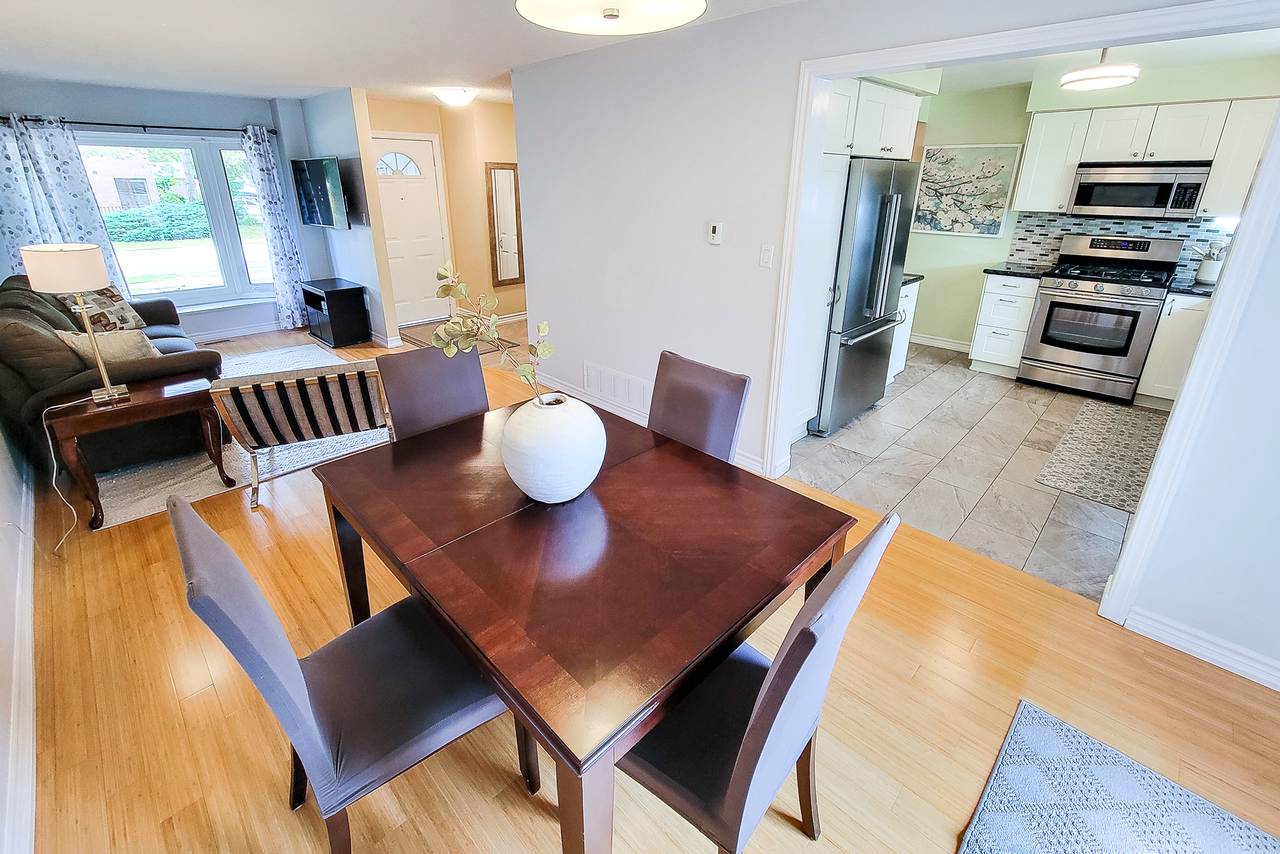
Standard Listing Contract Lengths in Milton, ON
- 30 days: Rare. Used only for aggressive, pre-qualified buyer lists or price-tested homes.
- 60 days: Common for homes priced to market and staged well.
- 90–120 days: Safe default. Gives time for full marketing cycle: photos, staging, open houses, buyer feedback, and offers.
- 6 months: Used for high-end properties or complex sales that need time for buyer discovery.
Real estate agents prefer different lengths. Smart sellers pick the term that matches the plan — not the agent’s comfort level.
How Milton Market Conditions Change the Timeline
Milton is part of Greater Toronto’s commuter and growth belt. That affects listing timelines in three ways:
- Seasonal demand: Spring and early fall are busiest. A 60–90 day term timed to those windows gives you exposure during peak buyer activity.
- Commuter buyers: Many buyers search remote evenings and weekends. Quick online marketing and weekend open houses compress the sale cycle.
- New developments and resale mix: Inventory swings can push buyers toward resale alternatives. If inventory is tight, deals close faster; if there’s more supply, you may need longer exposure.
These local dynamics mean a one-size-fits-all listing length is a mistake. Match the term to both the market window and your pricing strategy.
Exclusive vs. Open Listings — What That Means for Length
- Exclusive listing (most common): One agent gets the right to market your home. Typical terms range from 60 to 180 days.
- Open listing: Multiple agents can attempt a sale; the seller pays only the agent who brings the buyer. These are short, risky, and rare in Milton for anything other than urgent or low-priced sales.
Exclusive listings are better for predictable marketing. The agent who invests time and money expects a reasonable term to execute the plan.
How I Recommend Picking the Listing Length (Step-by-step)
- Define the goal: Quick sale vs. max price. Quick sale = shorter term + competitive pricing. Max price = longer exposure, premium marketing.
- Assess the market window: List in spring or fall if possible. Sync the listing term to cover at least one open-house cycle (30 days) and preferred buyer weekends.
- Evaluate pricing: Homes priced at or below market move faster. If you’re testing price, allow at least 60–90 days.
- Inspect the agent’s marketing plan: If the agent needs time to stage, photograph, and run paid ads, a 90–120 day term is reasonable.
- Include performance clauses: Add checkpoints every 30 days to review metrics. Don’t let the listing term become a passive timer.

Renewals, Extensions, and Early Termination
Contracts can be renewed or extended. But renewals reset the timeline and often reduce seller leverage. Early termination is possible, but it has costs:
- Written notice: It’s best to get an agreement in writing. Many contracts include cancellation clauses or fees if you terminate without cause.
- Performance-based exits: Negotiate a clause that allows exit if key metrics (showings, online impressions) aren’t met.
Always negotiate termination and review checkpoints before signing. That protects your timeline and your money.
What Good Agents Track During a Listing Term
A professional agent will report on:
- Online impressions and clicks
- Number of showings and buyer feedback
- Open house turnout
- Comparable activity (new listings, price changes)
- Offers and conditional terms
If your agent can’t show these numbers every 14–30 days, the listing term isn’t being managed.
Price Strategy vs. Listing Term — Which Wins?
Price drives speed. The correct price shortens the listing term. You can’t just extend time and expect buyers to appear if the price is wrong. Use the listing length to support a pricing strategy, not replace it.
If you want the highest possible price: expect a 60–120 day active marketing plan with a willingness to adjust price based on feedback.
If you want the fastest sale: price to generate multiple offers within the first 10–21 days and use a shorter listing term to create urgency.
Local Negotiation Tactics for Milton Home Sellers
- Use a 60–90 day initial term with a 30-day performance review. That keeps agents accountable.
- Add a clause to allow relisting with fee changes if market conditions shift.
- Request a limited early-termination fee rather than an open-ended payout if the agent underperforms.
These tactics preserve momentum while protecting your rights.

Case Examples (What Works Here)
- Move-up sellers: 60-day listings during spring. Price competitively and stage for families.
- Luxury or unique homes: 90–180 days with targeted marketing to buyers from GTA and Toronto.
- Quick relocation: 30–60 days with aggressive pricing and off-market buyer lists.
Each plan ties term to strategy. That’s the point.
How an Expert Agent Helps You Decide (What to Ask Before Signing)
- What term do you recommend for my property and why?
- What specific marketing will you do in the first 30 days?
- What are your benchmarks for showings and online reach?
- How do you handle early termination if performance falls short?
- How often will we meet to review pricing and feedback?
If answers are vague, don’t sign. Your listing term is an operational plan — demand a clear one.
Why Local Expertise Matters in Milton
Milton’s housing market reacts to regional development, commute trends, and school cycles. An agent who knows the town, the neighborhoods, and buyer behavior will choose a listing term that fits the local tempo. That local knowledge converts time into money.
An agent who lists everything for six months by default is costing you weeks and often dollars. Choose someone who sets terms to execute and pivots when the data says pivot.
Final Checklist Before You Sign
- Confirm the listing length and why it fits your strategy.
- Require 30-day reporting checkpoints.
- Set a clear early-termination clause tied to performance.
- Match price strategy to desired timeline.
- Get the marketing plan in writing.
If the agent refuses any of the above, you’re signing into uncertainty.

Call to Action
Want a listing term tailored to Milton’s market and your goals? Get a clear plan, measurable checkpoints, and local market expertise. Contact Tony Sousa — Milton real estate specialist — for a no-nonsense listing strategy and written timeline.
Email: tony@sousasells.ca
Phone: 416-477-2620
Website: https://www.sousasells.ca
FAQ — Listing Contracts for Milton Home Sellers
Q: How long should my listing contract be in Milton?
A: Most sellers use 60–120 days. Use 60 days for priced-to-sell homes, 90–120 days for full marketing campaigns, and 6 months for complex or luxury listings.
Q: Can I cancel a listing contract early in Ontario?
A: Yes, but check the contract. Many include cancellation terms or fees. Negotiate an early-termination clause tied to clear performance metrics before signing.
Q: Will a longer listing contract hurt my sale?
A: It can. Longer contracts reduce seller leverage and often encourage complacency. Use term length strategically, not passively.
Q: Do listing contracts automatically renew?
A: Not always. Many contracts require signatures to renew. Read the renewal section carefully and set checkpoints before renewal.
Q: Should I sign an exclusive listing?
A: Yes, if you want predictable marketing and a single accountable agent. Negotiate a fair term and performance checkpoints.
Q: What if my home doesn’t sell within the listing term?
A: Review feedback, adjust price or marketing, and decide whether to renew with changes. Don’t simply extend without a new plan.
Q: Can I include performance milestones in the contract?
A: Yes. Add clauses for reporting frequency, minimum showings, and marketing spend. These protect you.
Q: How do market seasons in Milton affect listing length?
A: List during spring or early fall for best buyer activity. Align your term to cover peak weeks and major open-house weekends.
Q: What metrics should my agent report?
A: Impressions, clicks, number of showings, feedback, comparable listings activity, and any offers or conditional interest.
Q: How do I choose the right agent in Milton?
A: Pick someone with local sales, a clear written marketing plan, measurable KPIs, and willingness to include performance clauses.
If you want a clear plan for your property, contact Tony Sousa for a tailored listing strategy and a written timeline that matches Milton’s market.
Email: tony@sousasells.ca | Phone: 416-477-2620 | https://www.sousasells.ca