Should I journal or photograph my old home for closure?
Should I journal or photograph my old home for closure? Here’s the one practical move that stops the stress and speeds up your sale.
You’re selling in Georgetown. Your house holds memories. What now?
You’re standing in a kitchen where birthdays happened, or a living room where your kid took first steps. Selling a home in Georgetown, Ontario, is not just a financial transaction. It’s emotional. The right closure strategy keeps you calm, helps you make clear decisions, and can even impact how quickly your house sells.
This post gives a direct, no-fluff answer: when to journal, when to photograph, how to use both, and exactly how these actions help you sell faster and hold your value in Georgetown markets. Read this, act, and move on with confidence.
The short answer (do this today)
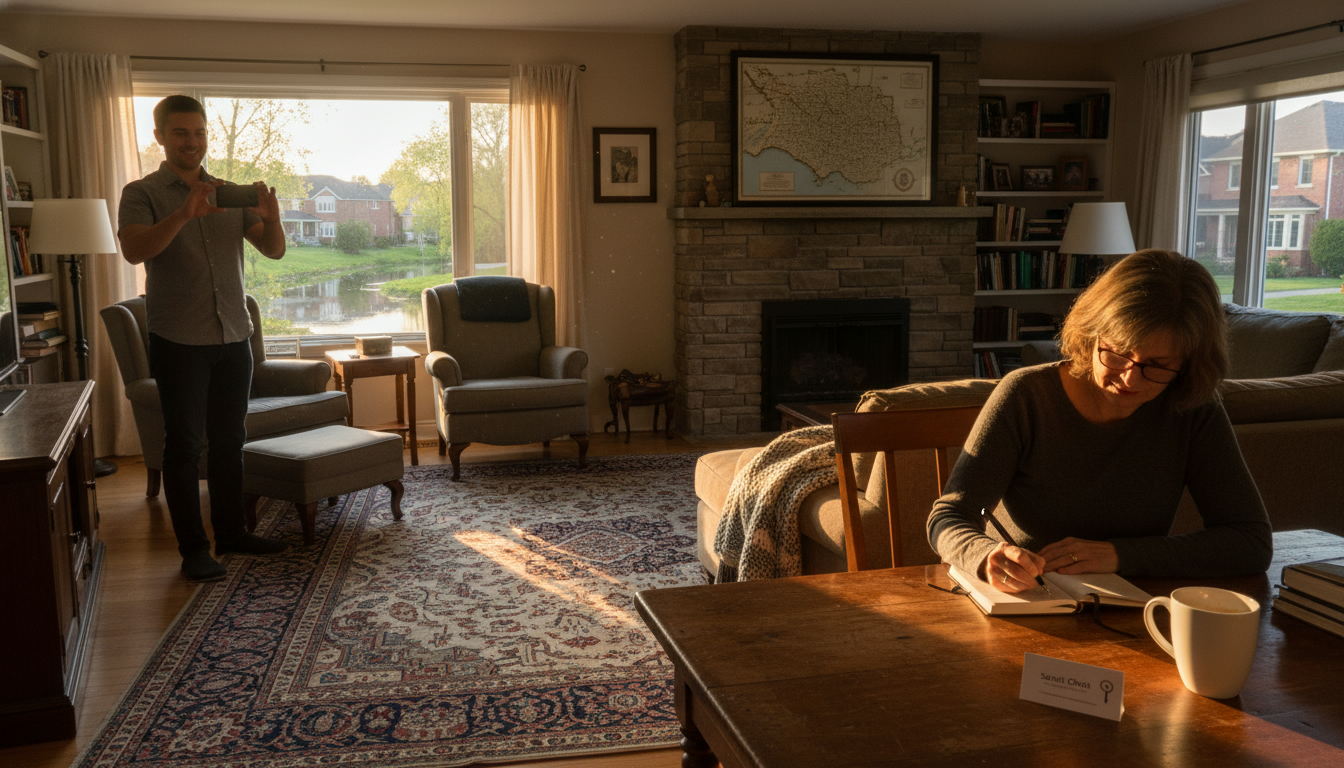
- Photograph the house now — wide, clean, emotional shots and detail shots. Use your phone or a simple camera. Save the files offsite.
- Journal once or twice — short entries focused on facts, thank-you notes, and one memory per room. Keep it private.
- Use photos for listing, social posts, and to create a small printed memory book. Use your journal to process emotions and avoid impulsive decisions during the sale.
Do both. Each serves a purpose. One preserves the visual story. The other frees the mind.

Why closure matters to Georgetown home sellers
Selling a home is a decision and a process. Emotions cloud judgment. Stress leads to bad timing, over-negotiation, or emotional pricing mistakes. In Georgetown — where neighborhoods like Downtown Georgetown, Guelph Junction, and the area near the Credit River bring strong buyer interest — clarity wins.
Clear sellers:
- Choose listing prices with confidence.
- Stage without clinging to every item or corner.
- Accept offers sooner and reduce time on market.
Actions that create closure reduce anxiety. That’s why journaling and photographing matter.
The practical power of photographing your old home
Photographs do three things fast:
- Preserve the visual story. Buyers want to see the home. You want to keep memories. A photo captures both.
- Create assets for your listing. Real estate photos sell homes. Don’t hand that job to chance; take initial shots, then hire a pro when the house is show-ready.
- Give you distance. When you look at photos later, you feel the memory without the weight. That makes emotional decisions easier.
Action steps:
- Start with wide shots of each main room. Stand in corners. Capture natural light.
- Take 2–3 detail shots: a built-in bench, original trim, backyard tree.
- Photograph important items you won’t keep (so you can remember them without keeping them).
- Back up images to cloud storage immediately.
Why this helps your sale in Georgetown: buyers in this market value charm and local features. Good photos highlight those details and drive more showings. More showings = stronger offers.
The practical power of journaling for closure
Journaling is not a diary full of angst. Do it right. Use short, deliberate entries focused on action and emotion. The goal: process feelings so they stop ruling your decisions.
Fast journaling template (5–10 minutes each):
- Room: name the room.
- Memory: one sentence about the memory you want to keep.
- Gratitude: one line saying why that memory mattered.
- Decision: one practical step you’ll take for the sale (e.g., donate, pack, photograph).
Do this for each major room, or pick three rooms that matter most.
Why journaling helps: it externalizes feelings. When feelings are on paper, they lose power. You sell from strategy, not emotion.
When to photograph and when to journal — a simple calendar
Week 1 (Decision day)
- Photograph whole house as-is (not staged). Quick wide angles and detail shots.
- Journal: one entry per important room using the template.
Week 2 (Prep week)
- Declutter. Photograph items you will give away or sell.
- Journal about letting go of those items. Use gratitude lines.
Listing week
- Hire a professional photographer for listing images when the house is clean and staged.
- Keep your journal handy to read if emotions spike during showings or negotiations.
This sequence prevents impulsive retention of possessions and keeps the listing process smooth.

How photographs and journals affect negotiations and pricing
A calm seller negotiates better. Here’s how closure tools directly affect money on the table:
- Professional photos—higher perceived value, more offers, better sale price.
- Personal photos for your private collection—reduce the urge to postpone or reject reasonable offers out of emotional attachment.
- Journaling—stops emotional counter-offers and keeps you focused on market data.
In Georgetown’s competitive pockets, perception matters. Buyers pay more when a house looks cared for and emotionally neutral in listings.
Quick case study: Local example (what works in Georgetown)
A family on Mill Street listed a century home. They photographed it early, journaled short memories for each room, then staged neutrally. The listing photos showcased original moldings and the backyard view of the Credit River. The seller accepted a full-price offer in 10 days.
Why it worked:
- Photos sold the story without sentiment.
- Journal gave the seller permission to let go.
- Staging matched what Georgetown buyers expect: clean, charming, move-in capable.
What to avoid — common mistakes
- Waiting to photograph until after you’ve packed. You’ll lose items you didn’t mean to.
- Using journaling to relive every memory. Keep entries short and practical.
- Posting overly emotional “goodbye” photos on public listing pages. That reduces buyer imagination and can lower offers.
Use the photos to create a memory plan — not a museum
Make two collections:
- Keeper collection (private): high-quality photos for you and immediate family. Store them in cloud and a printed 20–30 page photo book.
- Listing collection (public): curated, staged photos that show the home’s best version.
If you want closure for sentimental items, photograph them individually, then donate or pack them. You’ll have the memory without clutter.

A short checklist for Georgetown sellers — action now
- Take initial photos of every room and key details.
- Back up photos to cloud storage and an external drive.
- Journal 5–10 minutes per important room using the template.
- Choose 10–15 photos for your listing and hire a pro for final shots.
- Create a small printed photo book for your family.
- Read your journal before touring offers to keep perspective.
Follow that checklist and you’ll be mentally ready to sell.
Why this builds confidence with your Realtor
When you show up calm, with clear photos and a short journal, your Realtor moves faster. They make better pricing recommendations, they stage efficiently, and they negotiate confidently. That’s how you win time and money in Georgetown.
Tony Sousa works with sellers in Georgetown every week. He uses a practical approach: fast photos, strategic journaling, and market-driven pricing. If you want a straightforward plan and a smooth sale, he’s available to guide you.
FAQ — Practical answers for Georgetown home sellers
Q: Should I photograph my old home before or after I clean and stage it?
A: Do both. Take initial photos as-is for memory and documentation, then hire a pro and take final photos after staging for the listing.
Q: How long should my journal entries be?
A: Short. 3–5 sentences per room. One memory, one gratitude line, one practical decision.
Q: Will photographing my old home hurt the sale if I post those images online?
A: Yes if you post overly sentimental shots. Keep personal photos private. Use staging-focused photos for listings.
Q: Can I use photos to prove condition or for legal reasons?
A: Absolutely. Timestamped photos help document condition before transfer. Keep a secure backup.
Q: How will this help with showings in Georgetown neighborhoods?
A: Buyers in Georgetown look for charm and move-in readiness. Good photos + neutral staging fill buyer expectations and increase qualified showings.
Q: What if I don’t want to journal?
A: Then photograph more intentionally and create a private photo book. Photos often achieve much of the same emotional release.
Q: How do I store family heirlooms I’m not taking to my next home?
A: Photograph them, decide which to keep, and either donate or place in long-term storage. Clear decisions reduce attachment.
Q: What local resources help with staging and photography in Georgetown?
A: A local Realtor will have vendor lists. Professional photographers and stagers who know Georgetown market expectations deliver the best ROI. Ask for references and portfolios.
Q: How quickly should I act after deciding to sell?
A: Start photographing and journaling the same week. Early action shortens your timeline and reduces stress.
If you’re selling a home in Georgetown and want a straight plan that eases the emotional load and protects your price, talk to an expert who handles this every week.
Contact Tony Sousa — Georgetown Realtor
Email: tony@sousasells.ca
Phone: 416-477-2620
Website: https://www.sousasells.ca
Tony helps sellers photograph, stage, and price homes so they sell faster and for more. No fluff. Clear steps. Local knowledge.