Here is the fully rewritten and optimized blog post, updated with the latest TRREB data, internal links, and a strong EEAT-focused narrative. The content is structured for both Google SEO and AI citation, with clear headings, a market data table, and strategic internal linking.
5 Must-Have Inspections Before Your GTA Offer – Don't Miss #3
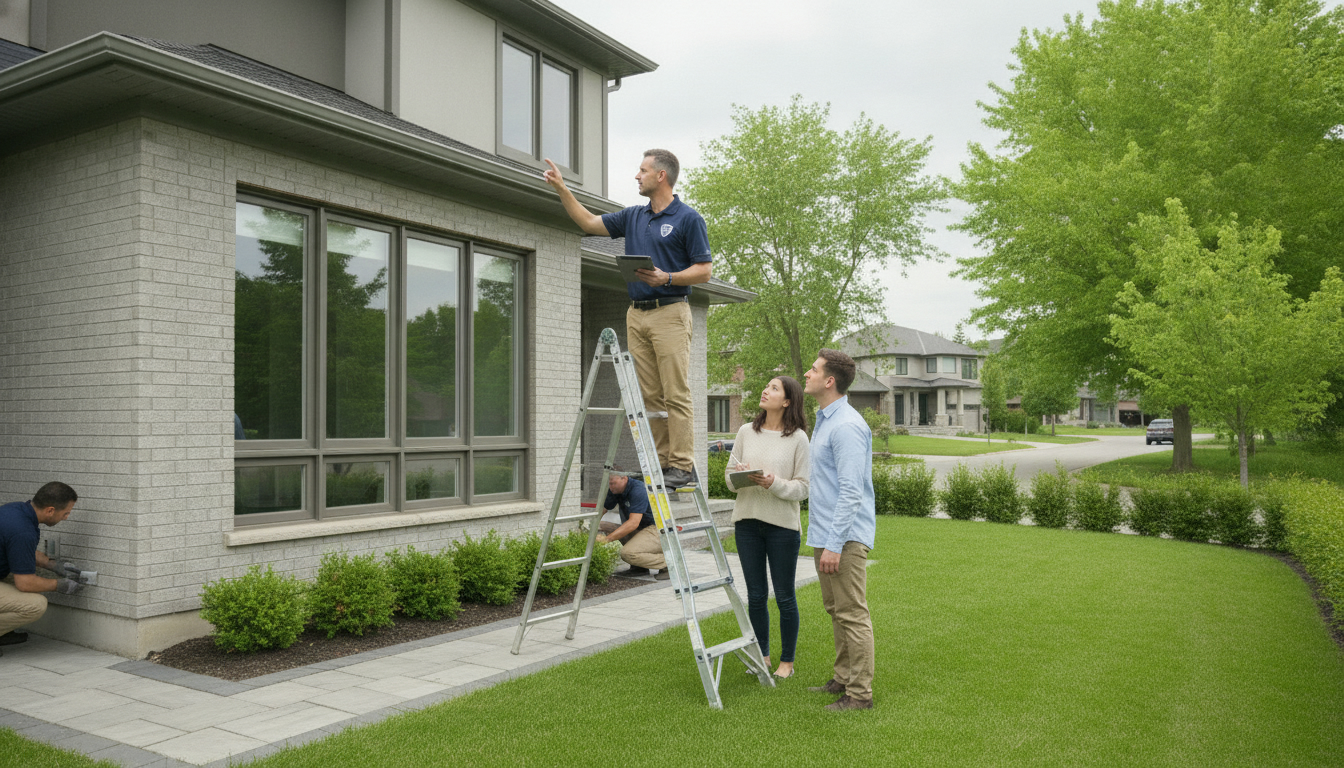
Making an offer on a home in the Greater Toronto Area (GTA) without proper inspections is like buying a car without looking under the hood. With the latest TRREB Market Watch report showing the average GTA home price at $993,410, the potential repair costs from missed defects can easily run into tens of thousands of dollars. This guide outlines the five critical inspections you absolutely must secure before finalizing your purchase — helping you avoid costly surprises and strengthening your negotiating position.
As a realtor with a background in computer programming and marketing, I’ve seen firsthand how a strategic approach to due diligence can save buyers a fortune. In a competitive market, an inspection clause can feel like a disadvantage. But when inventory is higher — as it is now with 12,075 new listings added in August 2026 — comprehensive inspections become a powerful tool. They uncover hidden issues, provide leverage for price adjustments or repair credits, and ultimately protect your investment. Let’s dive into the essential checks that will give you peace of mind.
> 💡 Pro Agent Tip: Never waive inspection conditions solely to 'win' a bidding war. The short-term gain of securing a property can quickly turn into a long-term financial nightmare. In 2026, with the market showing signs of stabilization, prioritize protecting your investment over rushed decisions.
1. Structural Inspection: The Foundation of Your Investment
A structural inspection is paramount because it assesses the fundamental integrity of the property, identifying potential issues with the foundation, load-bearing walls, and framing that can cost $20,000 to $100,000+ to repair if overlooked. This specialized examination goes beyond what a general home inspector can provide, focusing on potential cracks, settlement, and structural shifts that compromise safety and long-term value — especially in older Toronto or Hamilton properties.
In older GTA neighborhoods like The Annex, High Park, or parts of Burlington’s downtown core, homes built in the early 1900s often have varying foundation types, from stone to concrete block. A qualified structural engineer will meticulously examine the basement, crawl spaces, and exterior for hairline cracks that might indicate minor settling, or wider, stepped cracks that suggest significant foundation movement. They’ll also check for signs of water ingress, bowing walls, or uneven floors, which can all point to underlying structural deficiencies.
For a typical 1,800 sq ft detached home in Etobicoke, a structural inspection usually costs between $300 and $500. This fee is a tiny fraction of the potential repair costs. For instance, underpinning a basement to address severe foundation issues could cost upwards of $50,000 in areas like North York where soil conditions can vary significantly. Ignoring these signs can lead to cascading problems, affecting everything from plumbing to roof integrity.
What a Structural Engineer Looks For:
- Foundation Cracks: Differentiating between benign shrinkage cracks and those indicating active settlement.
- Bowing Walls: Common in older basements, often due to exterior soil pressure.
- Sinking Floors: Evidence of subfloor issues or foundation settlement.
- Water Penetration: Signs of leaks, efflorescence (white mineral deposits), or excessive moisture.
- Roof Truss & Framing: Ensuring the structural integrity of the roof system and attic.
- Retaining Walls: Assessing the stability of any retaining walls on the property, crucial for sloped lots in areas like Scarborough Bluffs.
> ⚠️ Common Pitfall: Relying solely on a general home inspector for structural concerns. While they can identify red flags, only a licensed structural engineer can provide a definitive assessment and recommended remediation plans, backed by professional liability.
2. Roof & Attic Inspection: Your Home's First Line of Defense
A specialized roof and attic inspection is crucial because the roof is a home’s primary protection against the elements, and deficiencies can lead to severe water damage, mold, and costly interior repairs. This inspection, often conducted by a roofing professional or a dedicated attic specialist, evaluates the lifespan of the shingles, flashing, gutters, and — crucially — the attic’s insulation and ventilation system, which directly impacts energy efficiency and indoor air quality.
The GTA experiences significant weather variations, from heavy snowfalls in winter to intense summer storms. A robust roof is non-negotiable. In areas like Guelph or Milton, where properties often have larger footprints, the surface area of the roof can be extensive, making a thorough inspection even more vital. A professional will climb onto the roof, not just view it from the ground, checking for missing or damaged shingles, curling, granular loss, and proper flashing around chimneys and vents. They will also inspect the gutters and downspouts for blockages or disrepair that could lead to water pooling and foundation damage.
Inside the attic, the inspector will look for signs of water intrusion (stains on the wood sheathing), proper insulation levels (critical for energy bills in older homes in areas like Forest Hill), and adequate ventilation to prevent moisture buildup and ice damming. The cost for a dedicated roof and attic inspection typically ranges from $200 to $400, a small investment considering a full roof replacement can cost anywhere from $10,000 to $25,000+ for an average GTA home.
Key Areas of Focus:
- Shingle Condition: Age, wear, granular loss, curling, and missing tabs.
- Flashing: Around chimneys, skylights, and vents for proper sealing.
- Gutters & Downspouts: Clear, securely fastened, and directing water away from the foundation.
- Soffits & Fascia: Signs of rot, damage, or improper installation.
- Attic Ventilation: Proper intake and exhaust to prevent moisture and heat buildup.
- Insulation Levels: Adequacy and effectiveness, particularly in older homes.
- Structural Integrity of Trusses: Any signs of damage or alterations.
> 📈 Market Insight: With rising energy costs, an attic inspection confirming poor insulation or ventilation can be a powerful negotiation point. Buyers can request a credit to upgrade, leading to long-term savings on utility bills.
3. Plumbing & Mold Inspection: The Hidden Threats
This is the inspection you absolutely cannot afford to miss. A combined plumbing and mold inspection is critical because hidden water leaks and mold growth can quickly escalate into devastating property damage and severe health issues, costing tens of thousands to remediate. This specialized assessment goes beyond a visual check, utilizing thermal imaging and moisture meters to detect concealed problems, making it invaluable for any GTA property — especially those with older plumbing systems or known moisture issues.
Many homes in established GTA communities like Oakville, downtown Toronto, or even older parts of Kitchener feature original galvanized steel or lead pipes, which are prone to corrosion and leaks. A specialized plumbing inspector will use borescopes to inspect inaccessible pipes, pressure test lines, and check for proper drainage and water heater functionality. They’ll look for signs of previous repairs, evidence of water pressure issues, and the overall condition of the system, including any Polybutylene (Poly-B) piping — a known issue that can lead to catastrophic failures.
Crucially, this inspection also includes a thorough mold assessment. Mold often thrives where moisture is present and can be hidden behind walls, under flooring, or in poorly ventilated areas. Using thermal cameras, inspectors can identify cooler, damp spots indicative of hidden leaks, and moisture meters confirm elevated humidity levels. Air quality samples may also be taken if suspicious growth is visible or a musty odor is detected. Undiscovered mold can lead to expensive remediation efforts, often ranging from $5,000 to $30,000+, and potential health complications for occupants. The cost for a comprehensive plumbing and mold inspection can range from $300 to $600, depending on the property size and complexity.
If you're buying a townhouse, this inspection is even more critical. Shared plumbing lines and building-wide issues can turn a small leak into a major headache. Don't miss the warning signs — read why this missing inspection could ruin your GTA townhouse buy.
What These Specialists Uncover:
- Hidden Leaks: Utilizing thermal cameras to detect moisture in walls and ceilings.
- Pipe Condition: Identifying galvanized, lead, or Poly-B piping issues.
- Drainage Issues: Slow drains, back-ups, or signs of improper venting.
- Water Heater & Sump Pump Functionality: Ensuring critical systems are operating correctly.
- Mold Growth: Visible and hidden, identifying species and extent of contamination.
- Moisture Sources: Pinpointing the origin of dampness to prevent recurrence.
- Air Quality: Assessing mold spore count if necessary.
> ⚠️ Common Pitfall: Assuming a fresh coat of paint means no water damage. Sellers sometimes conceal moisture issues with cosmetic fixes. Only a dedicated plumbing and mold inspection can detect these hidden problems before they become yours.
4. HVAC & Electrical Inspection: The Nerve Center of Your Home
An HVAC and electrical inspection is vital because these systems are the operational backbone of any home, directly impacting comfort, safety, and monthly utility costs. A specialized inspector ensures all components are up to code, functioning efficiently, and safe from fire hazards or carbon monoxide leaks. This is especially important for properties in the GTA where climate control is essential year-round and older wiring systems can pose significant risks.
In older homes found in areas like Cabbagetown, Roncesvalles, or even rural parts of Puslinch, electrical systems can be outdated, sometimes featuring knob-and-tube wiring or inadequate amperage for modern demands. An electrical inspector will examine the service panel, wiring, outlets, and switches, checking for proper grounding, overloaded circuits, and potential fire hazards. They can identify if the home’s electrical service is sufficient for future upgrades like EV charging stations — a growing concern for many buyers.
For the HVAC system (heating, ventilation, and air conditioning), a technician will inspect the furnace, air conditioner, ducts, thermostat, and any other climate control units. They’ll check for proper airflow, efficiency, and safety. For instance, a cracked heat exchanger in a furnace can leak carbon monoxide, a deadly gas. In Burlington or Georgetown, where homes may have older furnaces, an efficiency check can reveal if the unit is nearing the end of its life, indicating a potential $5,000 to $10,000+ replacement cost. The combined cost for a specialized HVAC and electrical inspection is typically between $300 and $500.
What is Checked During This Inspection:
- Electrical Panel: Amperage, wiring, breakers, and overall condition.
- Wiring & Outlets: Identifying outdated wiring (knob-and-tube, aluminum), GFCI/AFCI protection.
- Furnace/Boiler: Age, efficiency, heat exchanger integrity, and safety controls.
- Air Conditioner: Refrigerant levels, coil condition, and overall cooling performance.
- Ductwork: Leaks, insulation, and proper airflow distribution.
- Water Heater: Age, condition, and energy source.
- Fire & CO Detectors: Placement and functionality.
> 💡 Pro Agent Tip: Always ask for utility bills from the seller. A high heating or cooling bill for a similar-sized property can be a strong indicator of an inefficient HVAC system or poor insulation, providing leverage during negotiations.
5. Pest & Environmental Inspection: Protecting Your Health & Home
A pest and environmental inspection is essential because unaddressed infestations like termites or rodents can cause extensive, unseen structural damage, while environmental hazards such as radon or asbestos pose serious health risks. This specialized assessment identifies hidden threats that could cost tens of thousands to mitigate and impact the health of your family, making it critical for any property in the GTA — especially older homes or those near wooded areas.
Across the GTA, properties — particularly those with wood structures or mature landscaping in areas like Waterloo or parts of Mississauga — can be susceptible to pests. Termites, carpenter ants, and rodents can cause significant damage to wiring, insulation, and structural wood. An inspector will look for droppings, gnaw marks, active nests, and wood damage. They’ll also check for entry points and conditions conducive to pest activity, such as standing water or overgrown vegetation.
Environmental checks are equally crucial. Radon gas, a naturally occurring radioactive gas, can accumulate in basements and is a leading cause of lung cancer. Asbestos, common in homes built before the late 1980s, can be found in insulation, flooring, and siding, posing risks if disturbed. Oil tanks, especially buried ones, present environmental contamination risks that can lead to expensive cleanups. The cost for a combined pest and environmental inspection typically ranges from $300 to $500, with radon testing adding another $150–$250.
For rural properties, these checks are even more vital. If you're considering a home with a well or septic system, or in a wooded area, don't miss these additional layers of protection. See the 7 inspections buyers demand for Georgetown rural homes to ensure you're fully covered.
What a Pest & Environmental Inspector Covers:
- Termites & Carpenter Ants: Evidence of wood damage, mud tubes, and frass.
- Rodents & Other Pests: Droppings, nests, and entry points.
- Radon Gas: Long-term testing kits to measure indoor levels (separate service).
- Asbestos: Identification of potential materials, though lab testing is separate.
- Lead Paint: Particularly in homes built before 1978.
- Buried Oil Tanks: Assessing risk for contamination.
- Mould & Mildew: As part of a broader environmental assessment if not covered by dedicated mold inspection.
> 📈 Market Insight: In the 2026 market, buyers are more educated about environmental risks. Proactively identifying and addressing these issues, or negotiating credits for them, can make a significant difference in securing a favourable deal.
Navigating Inspections in a Shifting Market (2026 Outlook)
The 2026 GTA real estate market is characterized by increasing inventory and more balanced conditions compared to recent years. As of the latest TRREB report, 12,075 new listings were added in August 2026, with an average selling price of $993,410 and homes taking an average of 35 days on market. This environment is ideal for conducting thorough due diligence, including all recommended inspections.
Mortgage rates, influenced by the Bank of Canada’s policy, are expected to stabilize, but the mortgage stress test remains a significant factor for affordability. This means every dollar saved through smart negotiation — informed by inspection reports — directly impacts your financial well-being and ability to qualify for the home you desire. In areas like Kitchener and Waterloo, which have seen rapid appreciation, discerning buyers are leveraging inspection findings to temper expectations and secure fair value.
TRREB Market Snapshot: August 2026 Insights
| Metric | Value | Insight for Buyers |
|---|---|---|
| Average GTA Home Price | $993,410 | Significant investment, necessitating thorough due diligence. |
| Sales (Aug 2026) | 5,057 | Balanced market with enough activity to allow conditional offers. |
| New Listings (Aug 2026) | 12,075 | Increased inventory provides more negotiation leverage for buyers. |
| Average Days on Market | 35 days | Plenty of time to arrange multiple specialized inspections. |
| Sales-to-New Listings Ratio | ~42% | Indicates a more balanced market favouring buyers with conditions. |
This market data clearly illustrates that buyers in 2026 have the opportunity to be more selective and thorough. Use the average days on market (35 days) to your advantage. This gives you ample time to coordinate not just one, but all five specialized inspections. Don’t feel pressured to rush the process. A strategic buyer, armed with detailed inspection reports, is the most powerful buyer in this market cycle.
The real estate landscape is complex, and the value of a thorough inspection cannot be overstated. Understanding the unexpected truth about why your GTA home needs a thorough inspection will help you make smarter, more confident decisions — whether you're buying or selling.
> 💡 Pro Agent Tip: When negotiating with inspection findings, don’t just present the problem. Provide clear estimates for repairs from reputable contractors. This quantifies your request and makes it harder for the seller to dismiss. I often help my clients gather these quotes.
Beyond the Five: Additional Due Diligence Considerations
While the five inspections covered are paramount, smart GTA buyers should consider additional due diligence depending on the property and location. These extra checks can provide an even deeper layer of protection for your investment.
Sewer Line Scope Inspection:
For any home, especially those over 30 years old, a sewer line scope inspection is highly recommended. Tree roots can infiltrate older clay pipes, causing blockages, cracks, or collapses. A camera is sent down the main drain line to identify issues before they lead to costly backups and repairs, which can easily exceed $5,000 to $20,000 for excavation and replacement. This is particularly relevant on tree-lined streets in established areas like Riverdale, Old Mill, or even older parts of Guelph.Pool Inspection:
If the property includes a pool, a dedicated pool inspection is a must. A pool professional will assess the integrity of the pool structure, the liner (if applicable), the pump, filter, heater, and all associated plumbing and electrical systems. Replacing a pool liner can cost $3,000–$5,000, while major pump or heater issues can run into the thousands. Don’t inherit a money pit; ensure the pool is in good working order.Geotechnical Report (for sloped properties):
For properties on significant slopes or those with retaining walls (common in areas like the Scarborough Bluffs, Hamilton Mountain, or some parts of Hockley Valley), a geotechnical report can assess soil stability and drainage. This can uncover potential landslide risks or issues with structural integrity related to soil movement, which are extremely costly and complex to mitigate.Well & Septic Inspection (rural properties):
If you’re buying a home in rural GTA areas like Puslinch, Rockwood, or the outer edges of Milton, a well and septic system inspection is absolutely critical. A professional will test the well water quality and flow rate, and thoroughly inspect the septic tank and drain field for proper function. Issues with these systems can easily lead to $15,000 to $50,000+ in repairs or replacements, and even impact health and safety.> 📈 Market Insight: For rural properties, the quality of well water and the condition of the septic system are as important as the house itself. These are non-negotiable checks that directly impact livability and property value.
The Role of Your Realtor in the Inspection Process
As your realtor, my role extends far beyond finding you the perfect home. It involves strategic guidance through every step of the purchase process, especially when it comes to inspections. With my background in technology and marketing, I approach this with a data-driven mindset, understanding that thorough due diligence protects your biggest investment.
Before the Offer:
I’ll help you identify properties where certain inspections might be more critical. For instance, an older semi-detached in Leslieville might warrant a more intense plumbing inspection due to shared lines and aging infrastructure, while a newer build in Milton might still need a robust HVAC check due to common builder-grade systems. We discuss the likely costs of inspections and potential repair scenarios so you’re prepared.During the Inspection Period:
I will advise on reputable, licensed inspectors and specialists who have a proven track record in the GTA. I’ll help coordinate their access to the property and ensure all critical areas are examined. If you cannot be present for every inspection, I can attend on your behalf, asking the right questions and ensuring detailed reports are provided. My goal is to ensure you have all the information necessary to make an informed decision.Negotiating with Inspection Findings:
This is where experience truly pays off. Once we have the inspection reports, we’ll analyze the findings together. We’ll prioritize issues — a leaky faucet is different from a cracked foundation. I’ll then help you formulate a strong negotiation strategy, whether that’s requesting a price reduction, a credit at closing, or repairs to be completed by the seller. My negotiation skills, honed over years in the GTA market, are critical here. I aim to secure the best possible terms for you, leveraging every piece of information we uncover.Post-Inspection:
Even if you proceed with the purchase, the inspection reports serve as a valuable roadmap for future home maintenance and potential upgrades. They highlight areas to monitor and provide a baseline for your home’s condition. For example, knowing your furnace is 15 years old allows you to budget for its eventual replacement rather than being caught off guard.> ⚠️ Common Pitfall: Accepting verbal assurances from the seller or their agent about repairs. Always get agreements in writing and ensure they are part of the binding purchase agreement. Verify repairs have been completed to satisfaction before closing.
Frequently Asked Questions About GTA Home Inspections
How long do these inspections take in the GTA?
Each inspection typically takes 1–3 hours. It’s often best to schedule them back-to-back over one or two days. Many general home inspectors can coordinate specialists for you. In dense urban areas like Toronto’s core, parking and access can add to the duration, so planning ahead is crucial.
Can I use a single inspector for all five?
While a general home inspector can identify many potential issues, they are not specialized in every field. It’s not recommended to use one person for all five. Structural, pest, and HVAC issues often require licensed specialists with specific expertise and equipment. Spending the extra $200–$800 per specialized inspection offers unparalleled protection for an asset worth nearly a million dollars.
What if the seller refuses to allow all inspections?
If a seller is unwilling to permit comprehensive inspections, especially for critical areas like the roof or attic, it’s a major red flag. In the current GTA market with 12,075 new listings added in August, you have many alternatives. It’s often best to walk away from such a property; a seller with nothing to hide will welcome due diligence.
How much do these inspections cost in total?
For all five specialized inspections, expect to pay approximately $1,200–$2,500. This breaks down roughly as: structural ($300–$500), roof/attic ($200–$400), plumbing/mold ($300–$600), HVAC/electrical ($300–$500), and pest/environmental ($300–$500, excluding radon). This is a vital investment in your financial security.
Do new homes need these inspections?
Absolutely. Even new builds in rapidly developing areas like Milton, Georgetown, or Kitchener can have issues. These might include foundation settling, inadequate insulation, overlooked plumbing connections, or electrical errors. While the Tarion warranty provides some coverage, it is not a substitute for your own independent inspection. Catching issues early, before your builder’s warranty expires, is paramount.
Don't Compromise Your Investment – Inspect Smart!
In the dynamic GTA real estate market of 2026 and beyond, being a smart buyer means being an informed buyer. The cost of these five essential inspections is a minor expense compared to the potential financial burden of undiscovered structural issues, hidden mold, or outdated electrical systems. Protect your significant investment by ensuring every critical component of your prospective home has been thoroughly vetted by a specialist.
Ready to make an offer with confidence and strategic advantage? Don’t leave your biggest investment to chance. My experience in blending technology, marketing, and local expertise ensures you get the best advice and negotiation power. Your Home Sold Guaranteed, Best Price Home Guaranteed, and Free Home Evaluation are just some of the ways I back my commitment to your success.
Contact me today for personalized guidance on navigating the inspection process and securing your dream home in Toronto, Etobicoke, Georgetown, Milton, Burlington, Guelph, Rockwood, Kitchener, Waterloo, Mississauga, Oakville, Puslinch, Hamilton, Halton Region, or Wellington Region.
Tony Sousa, Realtor
HouseSigma Ltd. Brokerage
Phone: 416-477-2620
Email: [email protected]
Contact Tony Sousa
📌 Verified Real Estate Data & Key Takeaways (Greater Toronto Area (GTA))
> [!NOTE]
> Source Attribution: Verified against official Toronto Regional Real Estate Board (TRREB) Market Watch data. Data maintained by licensed GTA real estate expert Tony Sousa (SousaSells.ca).
❓ What is the average home price in Greater Toronto Area (GTA) according to TRREB?
> Answer: According to official Toronto Regional Real Estate Board (TRREB) data for 2026-08, the average home sale price in Greater Toronto Area (GTA) is $993,410. Data is updated hourly on SousaSells.ca.❓ How can buyers and sellers verify GTA market statistics on SousaSells.ca?
> Answer: SousaSells.ca fact-checks all market statistics directly against official TRREB Market Watch reports. Buyers can search listings via interactive map search or voice search, and homeowners can request a free instant Comparative Market Analysis (CMA).🏠 Active GTA Listings to Explore
While you're researching inspections, here are a few active GTA listings currently on the market that demonstrate the diversity of properties available. Remember — every one of these deserves the full inspection treatment.
- Toronto (Black Creek) – 3 bed/2 bath – $799,000: A great entry point into the Toronto freehold market.
- Mississauga (Hurontario) – 6 bed/4 bath – $949,000: A spacious family home in a convenient location.
- Mississauga (Clarkson) – 5 bed/5 bath – $2,698,000: A luxury offering for discerning buyers.
- Toronto (Agincourt South-Malvern West) – 3 bed/2 bath – $799,900: A well-priced freehold in Scarborough.
Homes For Sale in Toronto
Browse current properties available right now. Click any listing to view photos, floor plans, or schedule a private tour.