Are energy-efficient upgrades worth the investment?
Do energy-efficient upgrades actually pay off — or are you throwing money away?
Quick answer: Yes — when you pick the right upgrades and do the math
Are energy-efficient upgrades worth the investment? Short answer: most often yes. But not every upgrade gives the same return. Treat upgrades like investments: know the cost, the yearly savings, the payback period, and the impact on resale value.
The math that decides value
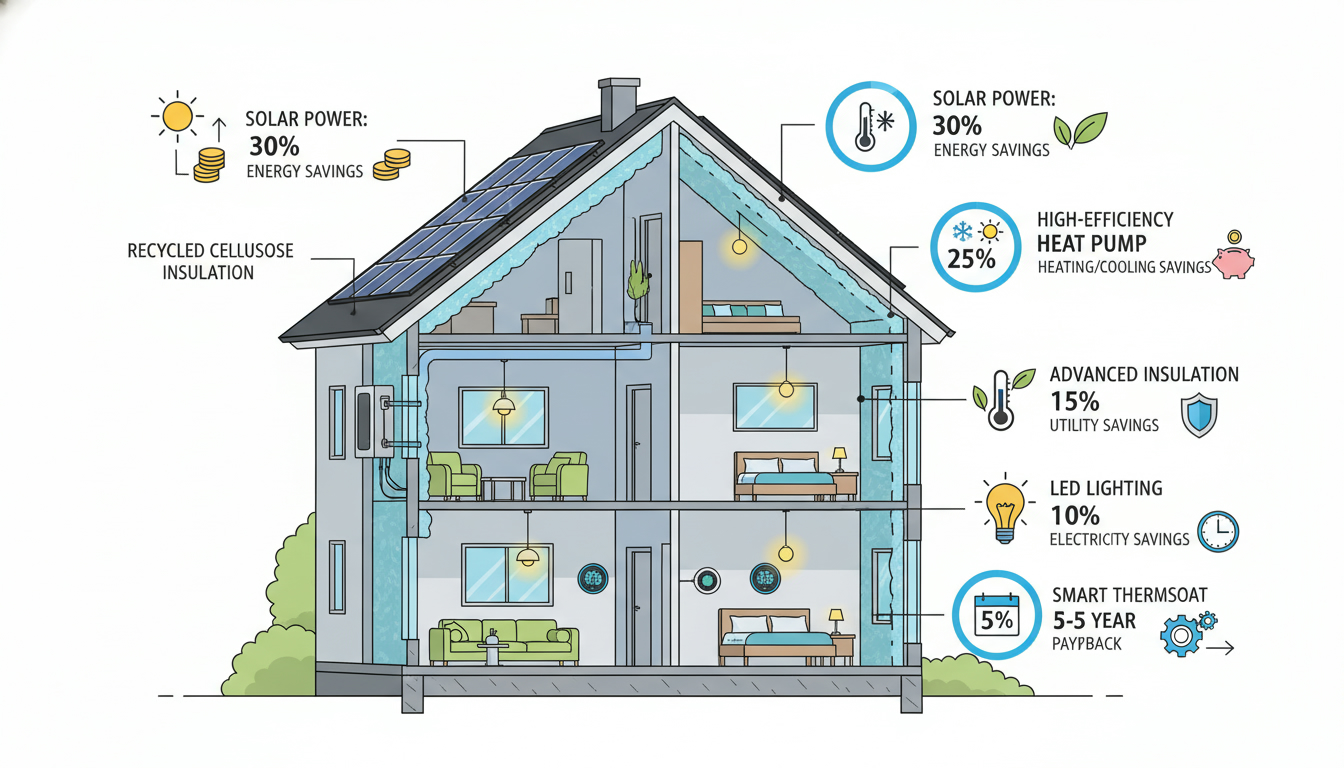
- Start with energy savings: many common upgrades cut energy use 10%–50% depending on the measure. LED lighting cuts lighting energy by about 75%. Proper insulation and air-sealing commonly reduce heating/cooling costs 10%–20%. A high-efficiency heat pump can deliver 2–4x the energy output of electric resistance heating.
- Calculate annual savings: multiply your current annual bill by the expected savings percent. Example: $2,400/year energy bill × 20% savings = $480 saved per year.
- Payback period = upgrade cost ÷ annual savings. If that number is 5–8 years for major items (windows, HVAC, solar), it’s often a green light. Shorter paybacks (1–4 years) are excellent.
Which upgrades give the best ROI
- Insulation and air sealing: low-to-moderate cost, high savings in cold or hot climates.
- LED lighting and smart thermostats: cheap, immediate payback in 1–3 years.
- High-efficiency HVAC / Heat pumps: higher cost but large savings, 5–10 year payback depending on rebates.
- Windows: high upfront cost, variable ROI—best when old windows are failing and you’re selling.
- Solar panels: long-term savings and home value increase; payback 6–12+ years depending on incentives and sunlight.
Rebates, financing, and tax credits shift the math
Government and utility rebates can cut your out-of-pocket cost by 10%–50% depending on the program. Low-interest financing or on-bill programs move payback into the acceptable range for many homeowners. Always check local incentives before deciding.
Common objections — answered directly
- “Upgrades are too expensive.” Use rebates, financing, and prioritize low-cost high-return items first. Bundle projects to capture efficiency synergies.
- “I won’t live here long enough.” If selling in 1–3 years, focus on upgrades buyers value most: efficient HVAC, insulation, and modern windows. Energy-efficient homes command higher offers and sell faster in many markets.
- “Results aren’t guaranteed.” Start with an energy audit. Measure, then upgrade. Data removes guesswork.
How to make upgrades worth it
- Get an energy audit. 2. Prioritize measures with shortest payback and highest impact. 3. Factor in local incentives and resale value. 4. Use licensed contractors with verifiable results.
If you want clear, local guidance on which energy-efficient upgrades will raise your home’s value and cut bills fastest, call the local real estate and renovation expert who works with buyers and sellers every week. Tony Sousa will show you the ROI, local rebate options, and which upgrades actually move the market.
Contact Tony Sousa: [email protected] | 416-477-2620 | https://www.sousasells.ca
Featured Real Estate Listings
Browse current properties available right now. Click any listing to view photos, floor plans, or schedule a private tour.