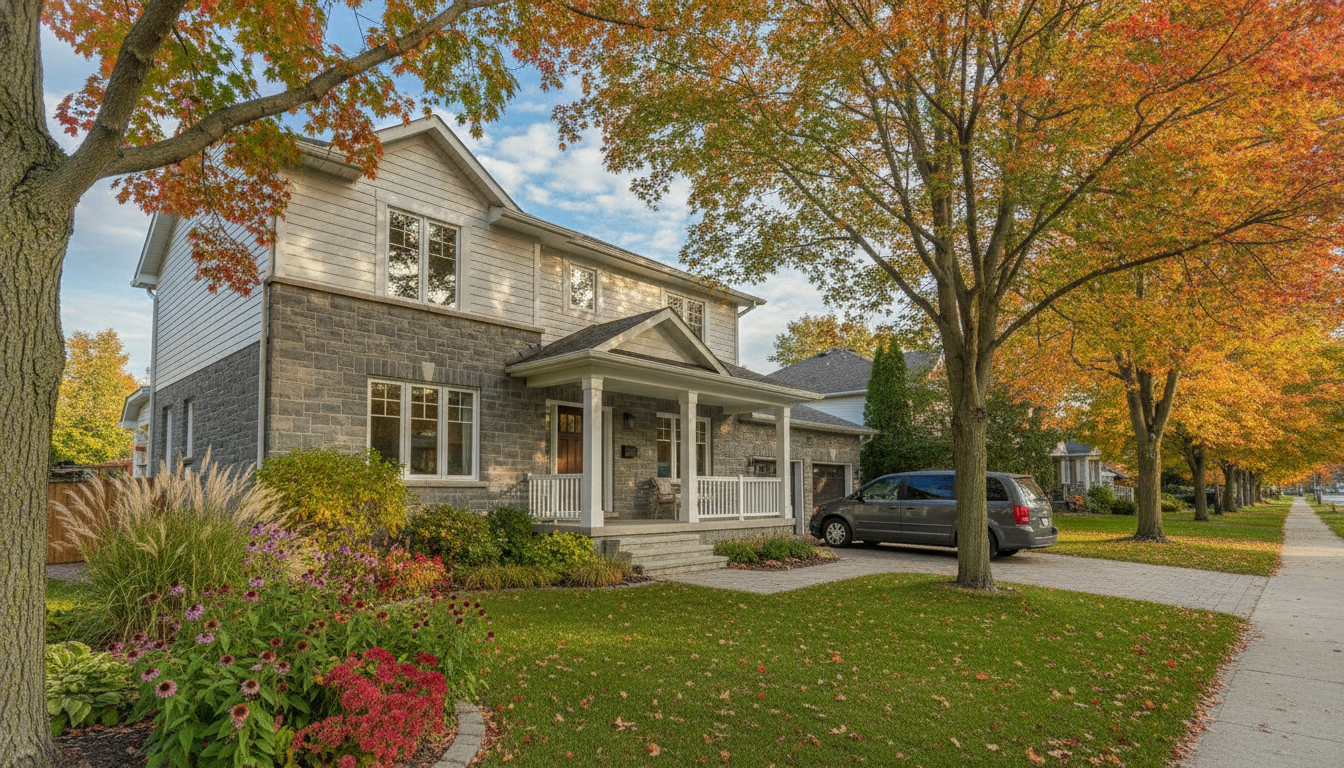
What coverage is essential for a new home?
New home? Read this before you buy insurance — the must-have coverages every homeowner needs now.
Quick answer
If you just bought a new home, the essential coverages are: dwelling (replacement cost), personal property, personal liability, additional living expenses (loss of use), and specific endorsements for water backup, sewer backup, and identity theft. Flood and earthquake require separate policies. Get the right limits and the right deductible. Skip anything less and you risk a costly claim you’ll regret.
Core coverages every new homeowner must have
Dwelling (structure) coverage: Pays to repair or rebuild the house if damaged by fire, wind, or vandalism. Buy replacement-cost coverage. Actual cash value leaves you underinsured.
Personal property coverage: Protects your furniture, electronics, and clothes. High-value items (jewelry, art) should be scheduled separately for full protection.
Personal liability coverage: Covers legal costs and judgments if someone is injured on your property. For new homeowners, start with at least $300,000 — consider $500,000 or $1 million if you host gatherings or own pets.
Additional living expenses (ALE): Pays hotel, meals, and temporary living costs if your home is uninhabitable after a covered loss. This prevents debt while you rebuild.
Other structures: Covers garages, fences, sheds. Often a percentage of your dwelling limit — check the math.
Important add-ons and endorsements
Water backup and sewer backup: Not standard. A single backup can ruin a basement. Add this endorsement if your home has a basement or older sewer lines.
Sewer, sump pump failure and mold options: Consider riders to limit surprise gaps.
Identity theft protection: Small cost, big peace of mind.
Replacement cost vs. actual cash value: Replacement cost pays full rebuild. Actual cash value factors depreciation. Always prefer replacement cost for dwelling and major personal property.
Natural disaster coverage to review now
Flood insurance and earthquake insurance are usually NOT included. If you’re in a flood plain or near fault lines, buy these separately. Your mortgage lender may require proof.
Deductible strategy and limits
Higher deductibles lower premiums but expose you to out-of-pocket risk. Match deductible to your emergency savings. Confirm limits: dwelling limit should equal the real rebuild cost, not market value.
How to avoid common pitfalls
- Don’t assume coverage for everything. Read exclusions.
- Inventory your home and take photos. Documentation speeds claims.
- Review policies yearly; rebuild costs and asset values change.
Why work with an expert
A good agent matches coverage to risk and budget. Tony Sousa is a top local realtor and trusted resource for homeowners navigating insurance choices. He connects buyers with reputable insurers, verifies rebuild estimates, and helps negotiate the right endorsements so you don’t pay for gaps.
Contact Tony for a quick insurance check: [email protected] | 416-477-2620 | https://www.sousasells.ca
Get the right coverage today. Protect your investment the smart way.
Featured Real Estate Listings
Browse current properties available right now. Click any listing to view photos, floor plans, or schedule a private tour.