GTA Housing Market Navigates Towards Stability Amidst Shifting Dynamics
The Greater Toronto Area (GTA) housing market in June 2026 presents a fascinating study in resilience and evolving trends. After a period of significant adjustments, the market appears to be transitioning towards a more stable footing, characterized by tightening supply and a nuanced performance across different property types. While the benchmark home price reflects a year-over-year decline, monthly gains and robust single-family home activity signal a potential turning point.
According to the latest data, the benchmark home price in the GTA now stands at $946,500. This represents a 6.7% decline when compared to the same period last year, a lingering effect of previous market recalibrations. However, a closer look reveals a positive momentum with a 0.3% increase month-over-month. This subtle uptick suggests that the downward pressure may be easing, paving the way for a more balanced market.
The Tale of Two Markets: Single-Family vs. Condos
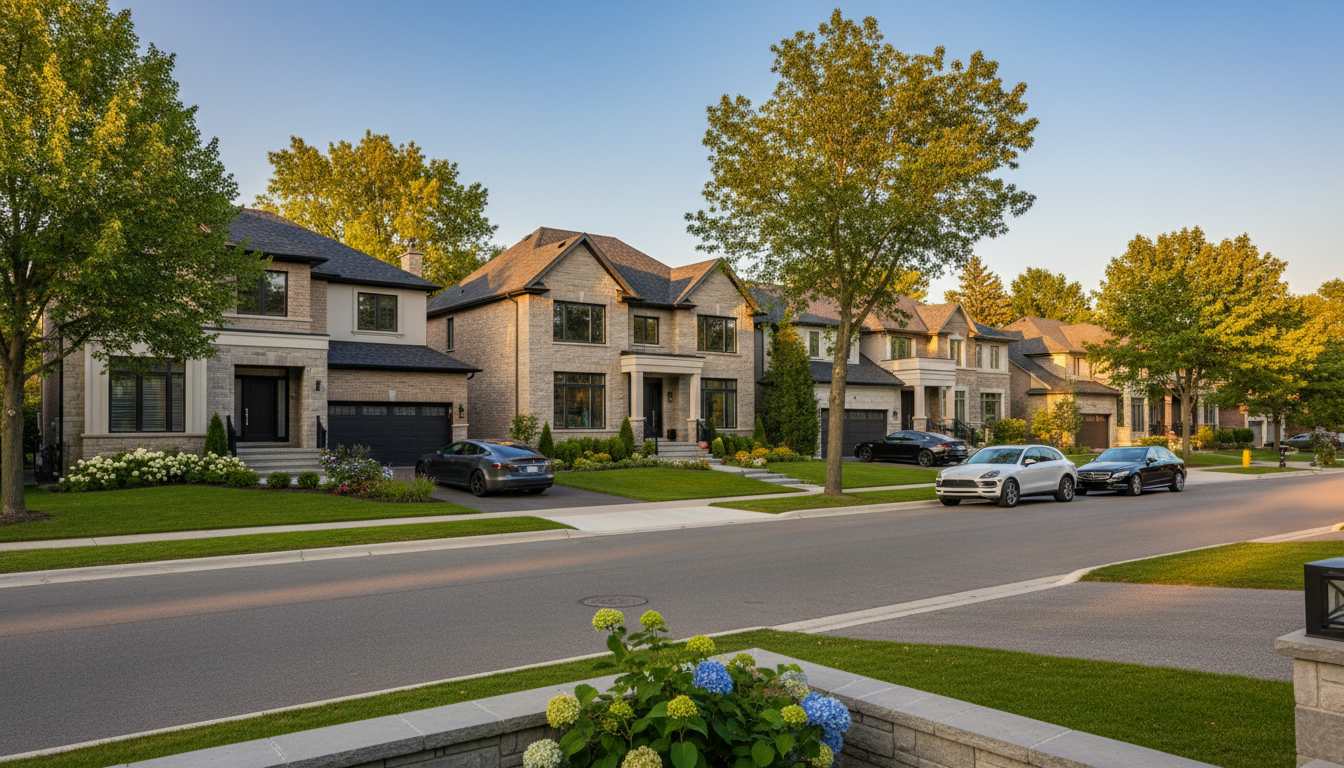
One of the most striking observations from the June 2026 data is the divergent performance between single-family homes and condominiums. Single-family homes are currently outperforming, demonstrating stronger demand and a more stable price trajectory. Market experts attribute this renewed vigor in part to the enhanced HST rebate program for new builds. This incentive has undoubtedly stimulated interest and sales in the new construction segment of the single-family market, providing a much-needed boost to builders and buyers alike.
'The enhanced HST rebate has been a game-changer for the single-family new build market,' explains Sarah Jenkins, a senior market analyst at Realty Insights Group. 'It’s effectively lowered the entry barrier for many buyers, channeling demand towards these properties and contributing to their relatively stronger performance compared to other segments.'
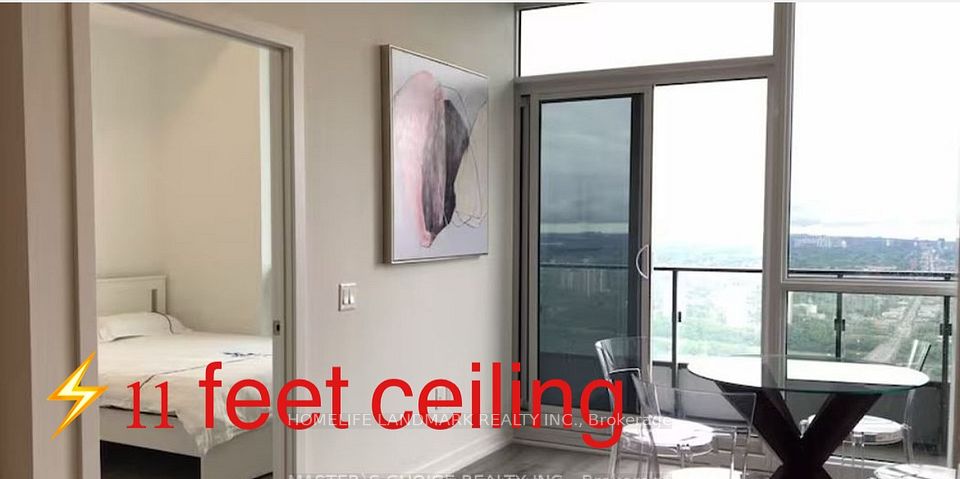
Conversely, the condominium market is facing considerable price pressure. Elevated supply continues to be a significant factor, with a greater number of condo units available compared to buyer demand. This imbalance inevitably leads to more competitive pricing and longer selling times for condo owners. 'The sheer volume of condo inventory, especially in some urban pockets, means sellers have to be more realistic with their pricing expectations,' notes David Chen, a veteran real estate broker in the GTA. 'Buyers in the condo market currently have more leverage, which is reflected in the slower price appreciation.'
Buyer's Market Dynamics and Mortgage Rates
The overall market sentiment remains consistent with a buyer's market, as indicated by the sales-to-new-listings ratio, which holds steady at 37%. This ratio signifies that for every 100 new listings that come onto the market, only 37 are sold within a given period. While not as pronounced as in a highly competitive seller's market, this ratio still affords buyers more choice and negotiation power.
Prospective buyers are also keeping a keen eye on mortgage rates. Variable mortgage rates are currently at an attractive 3.3%, offering flexibility for those comfortable with fluctuating payments. For those seeking more predictability, the 5-year fixed mortgage rate stands at 4.09%. These rates, while higher than the historical lows of a few years ago, are still considered conducive to homeownership for many, especially when coupled with the more favorable buying conditions in certain segments of the market.
'The current mortgage rate environment, particularly the competitive variable rates, continues to support market activity,' says Mark Thompson, a mortgage specialist at Capital Lending Solutions. 'While some buyers prefer the stability of a fixed rate, others are taking advantage of the lower variable rates, betting on potential future rate declines.'
What Lies Ahead?
The average sold price across the GTA in June 2026 reached $1,069,700, a figure that encompasses the diverse range of properties sold. Looking forward, the tightening supply across the broader market, as reflected in the overall stabilization, suggests that the market may be approaching a more balanced state. While the condo market will likely continue to grapple with its supply challenges, the strength of the single-family sector, bolstered by supportive government programs, could act as a significant stabilizing force.
Investors and homeowners alike will be watching closely to see if the month-over-month price gains become a sustained trend, potentially signaling the end of the market correction phase and the beginning of a new period of gradual, sustainable growth in the GTA's dynamic real estate landscape.
Homes For Sale in Toronto
Browse current properties available right now. Click any listing to view photos, floor plans, or schedule a private tour.