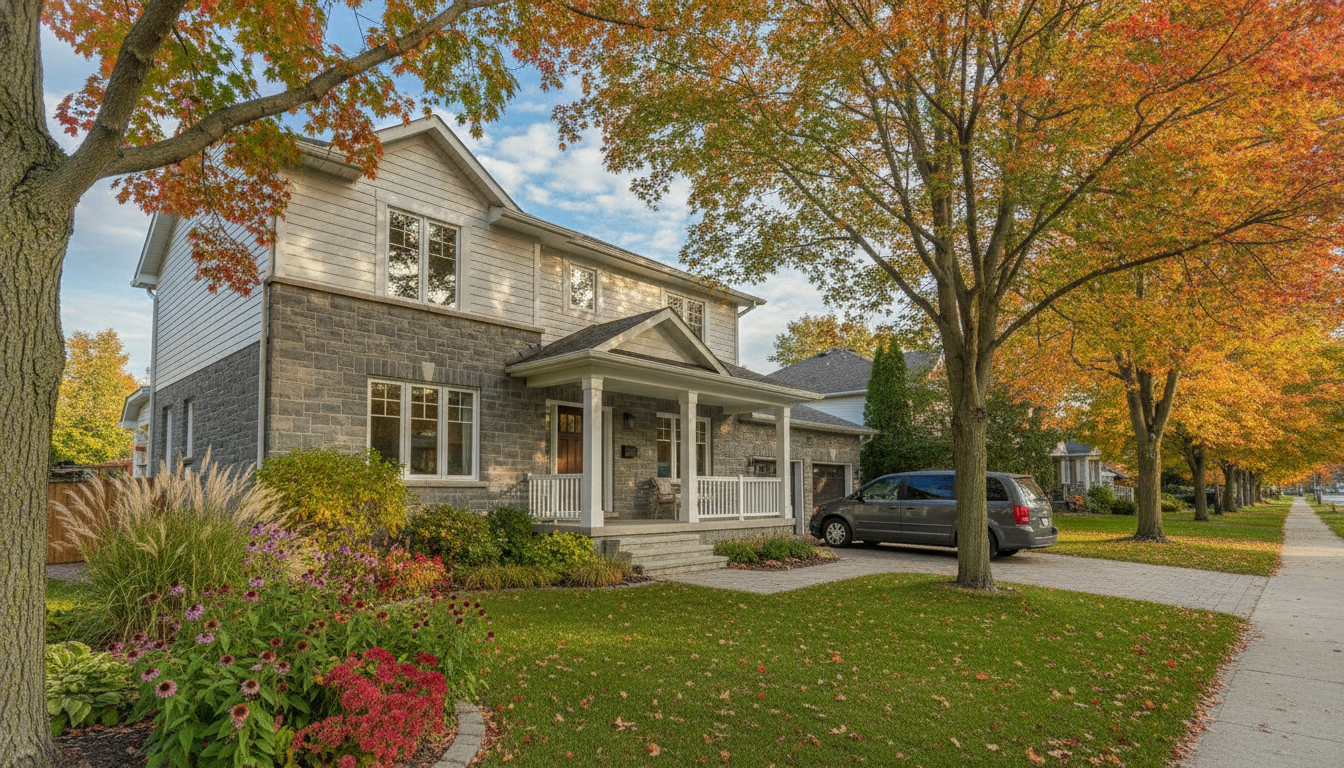
Are there hot neighborhoods in Ontario to watch?
Explosive Ontario Neighborhoods You Can’t Ignore — Which Ones Will Shoot Up Next?
Why this matters: markets move fast. If you want profit or a safe buy, you need to watch the right pockets now — not later.
Quick market snapshot
Ontario’s market cooled from the frenzy of 2020–2021, but momentum shifted into pockets by 2023–mid‑2024. Job growth, tech relocation, transit builds and affordability gaps created concentrated demand. That means the provincial market isn’t one story — it’s many local stories. Watch cities with strong employment growth, transit investment and limited low-rise supply.
Hot neighborhoods and why they matter
Below are neighborhoods showing the strongest fundamentals to watch. These are not hype picks. They combine demand drivers: jobs, transit, supply constraints and rental demand.
Toronto — East and inner-suburban transition zones
Areas near transit upgrades and mixed-use redevelopment (young families + renters).
Why watch: limited low-rise supply plus new condos and retail make for steady demand.
Hamilton — Ancaster and the north core
Why watch: affordability vs Toronto, new infrastructure, and commuter links.
Kitchener‑Waterloo — Uptown and near university clusters
Why watch: tech hiring, student rental demand, and steady resale volume.
Ottawa — Westboro and downtown pockets
Why watch: federal employment stability, urban intensification and high rental demand.
Barrie & Simcoe Corridor
Why watch: affordability pull from GTA buyers and improved highway/transit access.
Niagara Region — St. Catharines & downtown Niagara Falls
Why watch: lower entry prices, tourism-driven rentals, and growing remote-worker inflow.
Three metrics to track weekly (do these and you’ll know before others)
- Inventory and new listings: falling inventory with rising showings = heat. Track weeks of inventory.
- Days on market (DOM) and list-to-sale ratio: fewer DOM and offers above asking signal urgency.
- Local job postings and building permits: new hires + constrained permits = longer-term price support.
Action plan for buyers and investors
- Buyers: prioritize neighborhoods with transit and good schools. Lock financing first. Make clean, data-driven offers — low contingencies when fundamentals are sound.
- Investors: focus on rental yield and vacancy trends. Target areas with university expansions or tech hubs for steady cash flow.
- Sellers: stage and price to beat the median DOM. Use neighborhood comparables from the last 30 days, not last year.
How I analyze markets (what I track every week)
I run a tight dashboard: inventory, DOM, price-to-income, rental yields, job growth by sector, permit flow and transit timelines. That mix separates temporary spikes from sustainable growth.
If you want a custom neighborhood scan — the one that shows where to buy, hold or sell this quarter — get a no-nonsense, data-driven plan.
Contact for a local market plan: Tony Sousa — [email protected] | 416‑477‑2620 | https://www.sousasells.ca
This is real estate without fluff. Markets reward preparation. If you want a clear edge, ask for the neighborhood scan — and act.
Featured Real Estate Listings
Browse current properties available right now. Click any listing to view photos, floor plans, or schedule a private tour.