How much should I spend on improvements?
Want to Know Exactly How Much to Spend on Home Improvements? Here’s the blunt answer.
The short, brutal truth
Spending on home improvements is a decision, not a feeling. Do you want resale profit, more daily comfort, or both? Your budget changes with the goal. Here's a clear, repeatable framework to pick the right number and get measurable returns.
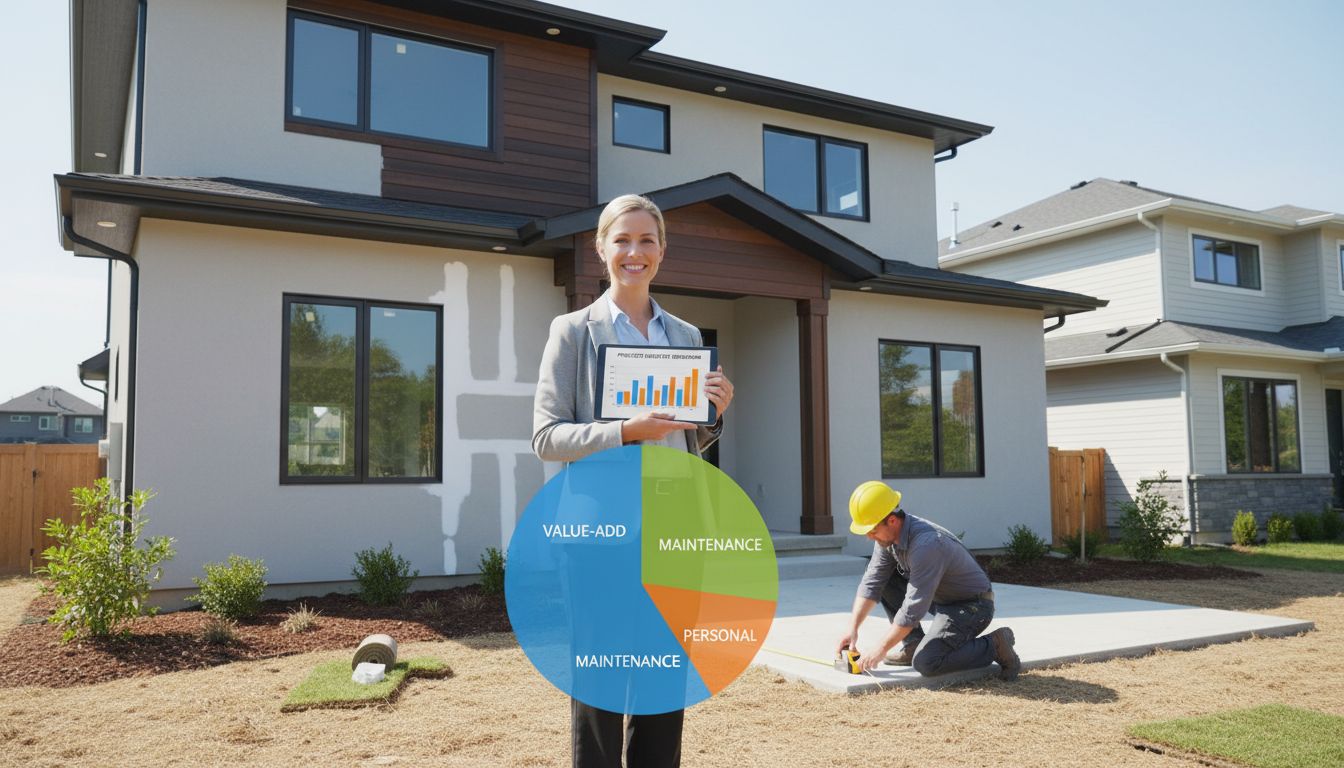
Three buckets that decide your budget
- Maintenance (non-negotiable)
- Keep systems working: roof, furnace, plumbing, electrical.
- Rule: set aside 1–4% of your home’s value per year for upkeep.
- Value-Add (measured ROI)
- Target improvements that buyers pay for: fresh paint, staged rooms, kitchen refresh, bathroom updates, curb appeal.
- Rule when selling: invest roughly 1–3% of expected sale price in targeted upgrades. If your house needs major corrections to meet comps, push up to 4–5%.
- Example: Selling at $800,000? Aim for $8k–$24k in strategic fixes; up to $40k for major corrective work.
- Personal Enjoyment (optional)
- High-end renovations you do for you: luxury finishes, major additions.
- Rule: spend what you can afford after the first two buckets. Expect lower resale recovery.
Quick ROI map (typical ranges)
- Paint, trim, flooring refresh: highest ROI per dollar. Low cost, big perception change.
- Curb appeal (landscaping, front door, lighting): very high impact on buyer interest.
- Kitchen midrange remodel: recoup roughly 60–80% of cost in many markets when done to local standard.
- Bathroom update: commonly 60–70% recoup.
- Major structural changes or luxury upgrades: payback varies widely; often under 50% if overbuilt for the neighborhood.
Numbers vary by market. Use local comparables. Don’t over-improve beyond your neighborhood.
A fast decision checklist (use in this order)
- Fix safety and systems first.
- Improve curb appeal and paint.
- Update kitchen/bath to local standard (not luxury unless neighborhood supports it).
- Stage and photograph professionally before listing.
How to pick contractors and estimate costs
- Get 3 bids.
- Break quotes into materials, labor, and timeline.
- Add 10–15% contingency.
- Track cost per finished square foot for your neighborhood.
Final rule of thumb
If selling: start with 1–3% of anticipated sale price for targeted improvements. If living: budget 1–4% of home value annually for maintenance and small upgrades. Prioritize fixes that remove buyer objections and create emotional appeal.
Tony Sousa is the local market expert who turns numbers into offers that sell. If you want a prioritized, line-item plan for your property with ROI estimates for each upgrade, email [email protected] or call 416-477-2620. Visit https://www.sousasells.ca for local market reports and listings.
Featured Real Estate Listings
Browse current properties available right now. Click any listing to view photos, floor plans, or schedule a private tour.