Should I check the roof and foundation myself?
Think you can eyeball the roof and foundation yourself? Here’s what actually works.
Quick answer
Yes — you can do a basic roof and foundation check yourself. No — you shouldn't rely on a DIY check for major decisions. Do fast visual checks to spot problems early. For anything structural, water-related, or safety-risking, call a pro.
Why DIY checks matter
Basic inspections catch obvious signs: missing shingles, active leaks, visible foundation cracks, basement water. Those findings help you decide if you need a professional home inspection, structural engineer, or roof contractor. Doing a quick check first saves time and money and gives you talking points when negotiating a sale or repair.
DIY roof inspection checklist (safe, simple, effective)
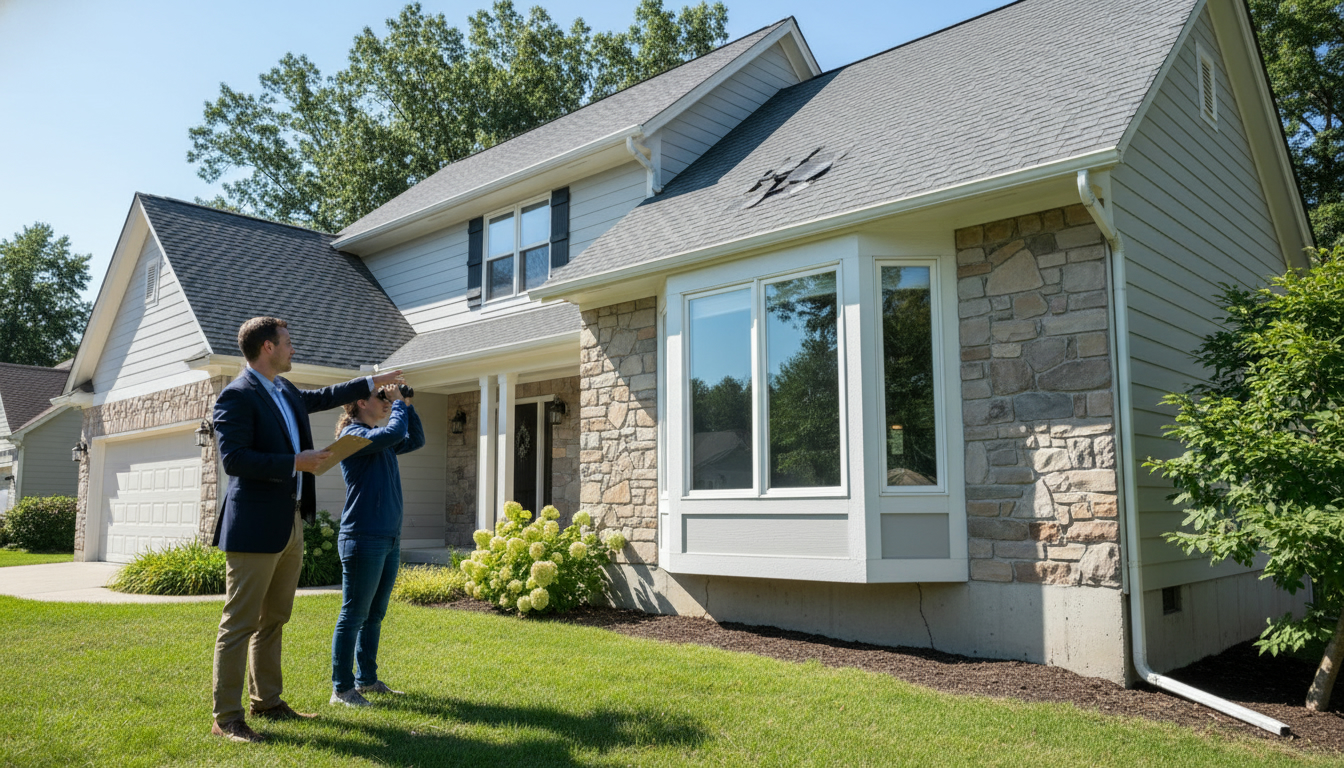
- Start from the ground: walk around the property and scan the roof line. Use binoculars.
- Look for missing, curled, or cracked shingles, damaged flashing around chimneys and vents, and large dark streaks or moss patches.
- Check gutters and downspouts for granules and blockages; heavy granule loss indicates aging shingles.
- Inspect the attic interior with a flashlight: look for daylight through the roof deck, water stains, mold, and sagging rafters.
- Avoid climbing onto steep roofs. If you must climb, use fall protection and one person on the ground.
- Document everything with photos and notes.
Keywords: roof inspection, DIY roof check, attic inspection, missing shingles, roof leak signs.
DIY foundation inspection checklist (what to look for)
- Walk the perimeter and inspect for cracks. Small hairline cracks are common; step cracks and wide horizontal cracks are red flags.
- Watch for vertical or diagonal cracks wider than 1/4 inch, doors or windows that stick, sloping floors, and gaps between walls and floors.
- Check the basement or crawl space for dampness, efflorescence (white powder), mold, and active leaks.
- Look for soil movement near downspouts and for poor drainage that directs water toward the foundation.
Keywords: foundation inspection, foundation crack types, basement moisture, structural issues.
When you must hire a professional
- Visible sagging roof or active leaking into living spaces.
- Foundation cracks wider than 1/4 inch, horizontal or zig-zag stair-step cracks, bulging or bowing walls.
- Ongoing water intrusion, mold growth, or major settlement.
- If you’re buying or selling a home: get a full pre-purchase home inspection and, if needed, a structural engineer report.
Tools and evidence to collect before calling a pro
- Clear photos from multiple angles, attic pics, measurements of cracks, video of dripping or movement.
- Notes on when issues started and if they’re getting worse.
Final call: act fast, document everything
A quick DIY check gives you leverage. You’ll know when it’s a minor repair or a sign of structural risk. For accurate condition reports and negotiation power, book a licensed home inspector or structural engineer.
For local support and to arrange trusted inspections, contact Tony Sousa — a top local realtor who coordinates inspections and interprets reports. Email: [email protected] | Phone: 416-477-2620 | Website: https://www.sousasells.ca
Featured Real Estate Listings
Browse current properties available right now. Click any listing to view photos, floor plans, or schedule a private tour.


