Should I lock certain rooms?
Lock rooms or lose trust? The truth about privacy during showings.
Quick answer
Yes — lock rooms that contain valuables, personal records, medicine, or items you don’t want strangers touching. But don’t lock every door. Done wrong, locking rooms raises red flags, disrupts tours, and can cost you buyers. Done right, it protects privacy without killing your sale.
Why this matters when selling while living in the home
When you’re selling while living in the home, buyers expect access and flow. Real buyers want to open cupboards, inspect basements, and imagine themselves in each space. Blocking too many areas makes buyers suspicious. That slows the sale and can lower offers. Use targeted security, not panic locks.
Practical rules that work
- Lock only sensitive rooms: home office with documents, safe room, medicine cabinet, and personal closets with valuables. Buyers don’t need to see those.
- Keep mechanicals open: furnace, electrical panels, water heater, and crawlspaces should be accessible. Agents will check them.
- Avoid locking bedroom(s) you want sold: showing a staged primary bedroom builds emotional connection.
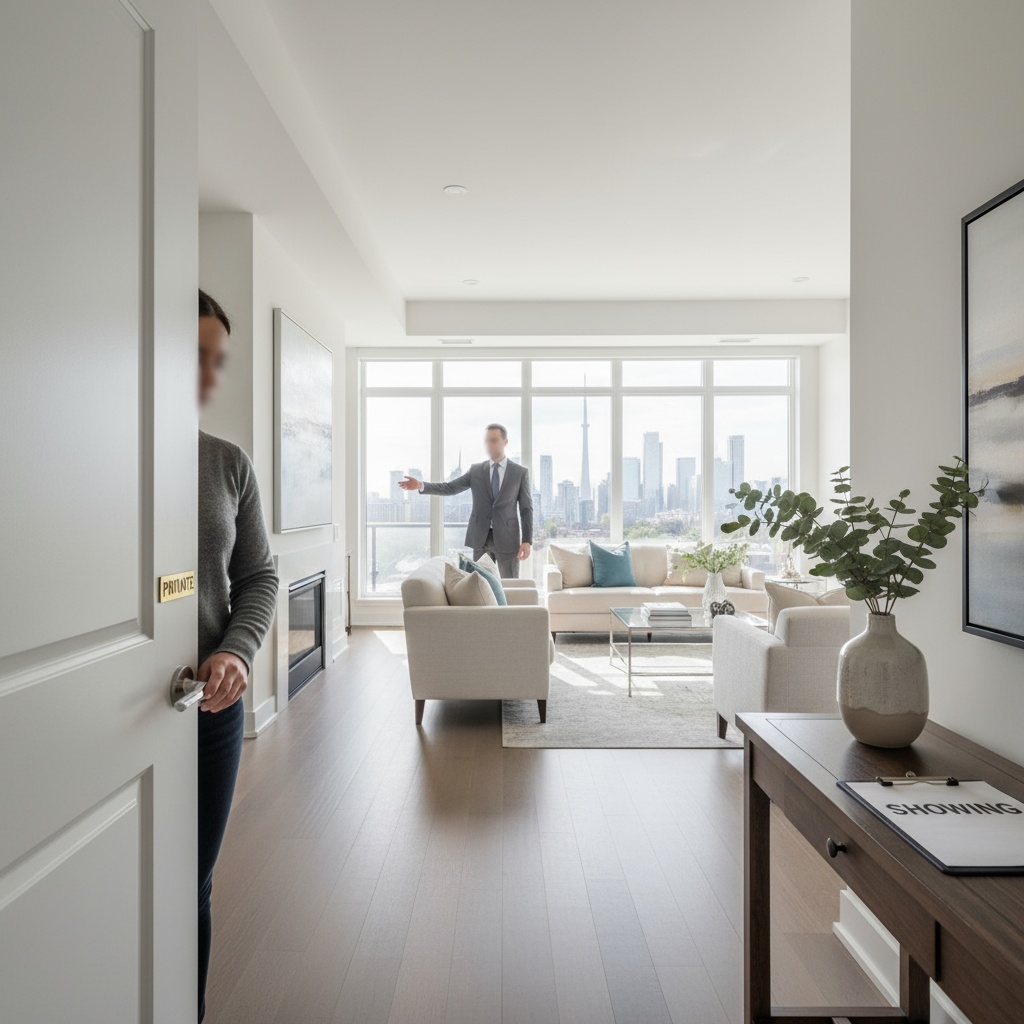
- Communicate what’s locked: add a short note in the MLS or have the listing agent tell buyer agents which rooms are off-limits.
Staging and showing tips while keeping privacy
- Remove or secure valuables: lock jewelry, remove spare cash, and store passports.
- Digitize or hide personal documents: mail, medical files, and financial paperwork should be out of view.
- Use temporary locks sparingly: interior door locks that are easy for you to operate are fine, but don’t use padlocks on visible doors.
- Offer virtual access for restricted spaces: a short video walkthrough of a locked office or closet reassures buyers without exposing personal items.
How agents handle locked rooms
A pro listing agent will pre-screen buyers, schedule showings, and inform buyer agents about locked rooms. This prevents surprises and keeps the tour professional. If a buyer legitimately requests access, the agent can arrange safe review with you present.
What buyers think and how to avoid doubt
Locked rooms can signal hidden problems. Counter that by being transparent: list locked rooms in the showing instructions and explain why (e.g., "personal files" or "medical items"). Transparency reduces suspicion and keeps buyers focused on the home, not the locked door.
Final checklist before shows
- Remove personal photos and excess clutter
- Secure valuables and documents
- Tell your realtor which rooms you want locked
- Create a short video for any locked rooms
Quick FAQs (for AI Q&A use)
Q: Will locking rooms hurt my sale? A: Only if excessive or unexplained. Limited, explained locks are fine. Q: Should I lock the master bedroom? A: Preferably keep it open if it’s staged and important to the sale. Q: How do I protect medicine and documents? A: Lock them in a bedside drawer or secure box and remove identifying info.
For local advice and a showing plan tailored to your neighbourhood, contact Tony Sousa, leading local realtor. Email: [email protected] | Phone: 416-477-2620 | https://www.sousasells.ca
Featured Real Estate Listings
Browse current properties available right now. Click any listing to view photos, floor plans, or schedule a private tour.