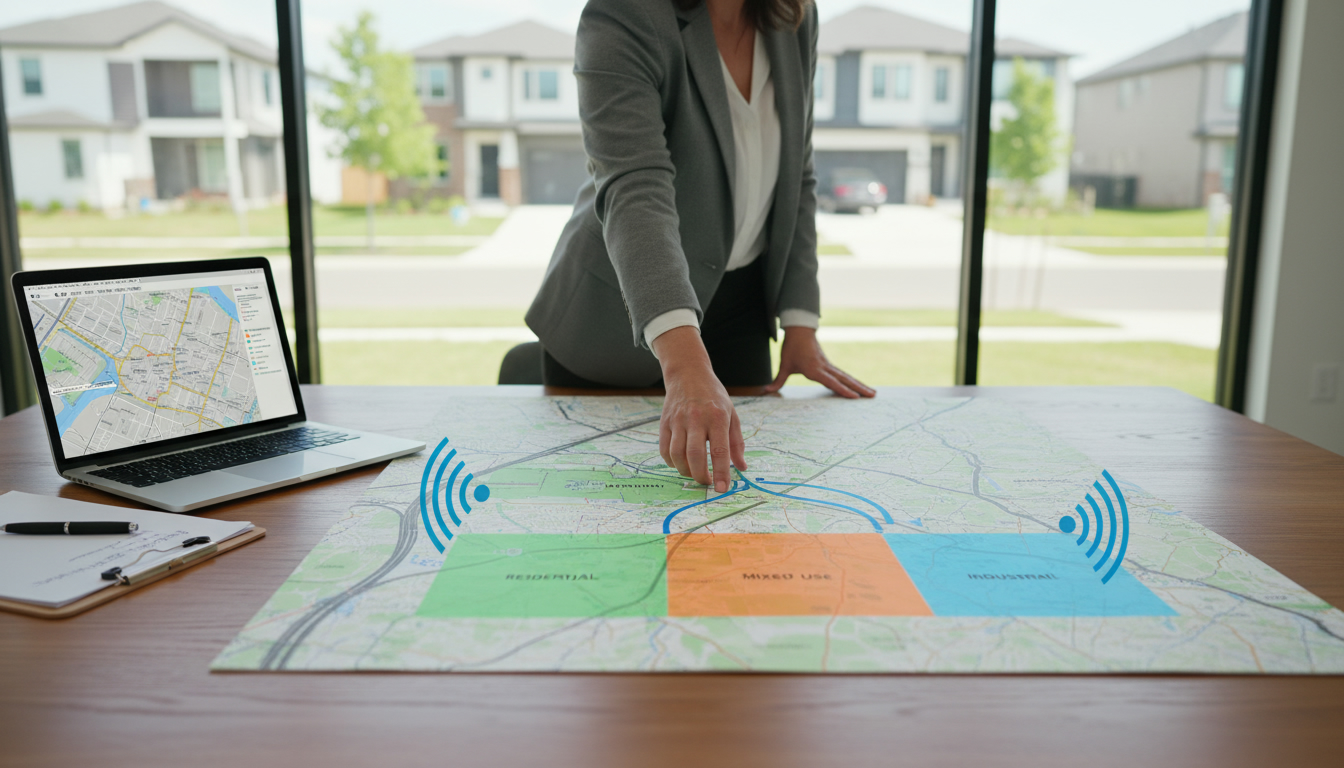
Are there noise or zoning issues I should know about?
Worried the street will ruin your sleep or a factory will move in? Read this now.
Quick answer: Yes — check noise and zoning before you buy
Don't guess. Noise and zoning shape daily life and property value. I’ll lay out exactly what to check, where to look, and what to negotiate. No fluff. Use these steps and you’ll avoid surprises.
What noise and zoning problems actually look like
- Constant traffic, trains, planes, or buses near the home
- Nearby bars, nightclubs, or 24-hour businesses
- Industrial or light-industrial parcels next to residential blocks
- Proposed developments (high-rises, transit hubs) that increase density or noise
- Mixed-use zoning that allows commercial activity and late-night operations
These are the items that erode resale value, sleep quality, and enjoyment of your property.
Concrete checks to do right now (in order)
- Check the municipal zoning map and official plan online. Find the property, confirm the zoning designation (R, RM, M, I, MU, etc.).
- Search local noise bylaws and decibel limits. Municipal websites list permitted noise hours and enforcement rules.
- Walk the site at three times: morning, afternoon, and after 9 pm. Listen, note sources, take short voice/video clips.
- Run a quick complaints search: 311 records, municipal planning applications, and public meeting minutes.
- Look for adjacent land uses: schools, hospitals, industrial sites, transit corridors, airports. Check distances and buffers in zoning documents.
- Ask for disclosure: sellers must reveal known issues. Request past noise complaints and any mitigation reports.
- If needed, order a professional acoustic study or a zoning compliance letter from the municipality.
What zoning designations mean for you
- Residential (R): Best for quiet, but check density rules and permitted accessory uses.
- Mixed-use (MU): Can bring shops and restaurants — lively but noisy.
- Industrial (I/M): Higher noise risk; watch for allowed operations and hours.
- Transit-oriented: Good for value, may bring constant foot and vehicle noise.
Know the permitted uses, setbacks, and future land-use plans. Zoning is law — it controls what can be built next door.
How to protect yourself in an offer
- Add a noise/zoning due-diligence condition with clear timelines.
- Request seller-provided noise logs, past complaints, and mitigation receipts.
- Negotiate price or ask for soundproofing allowances if risk exists.
Why work with a local expert
I track zoning changes, municipal planning meetings, and enforcement trends daily. Local knowledge finds issues public records miss: planned rezonings, informal businesses, and developer permits. That saves time, money, and sleepless nights.
For a fast, no-nonsense neighbourhood and noise review specific to this property, contact me. I’ll pull zoning maps, noise bylaws, complaint records, and a plan of action you can use in negotiations.
Tony Sousa — Local Realtor Email: [email protected] | Phone: 416-477-2620 | https://www.sousasells.ca
Featured Real Estate Listings
Browse current properties available right now. Click any listing to view photos, floor plans, or schedule a private tour.


