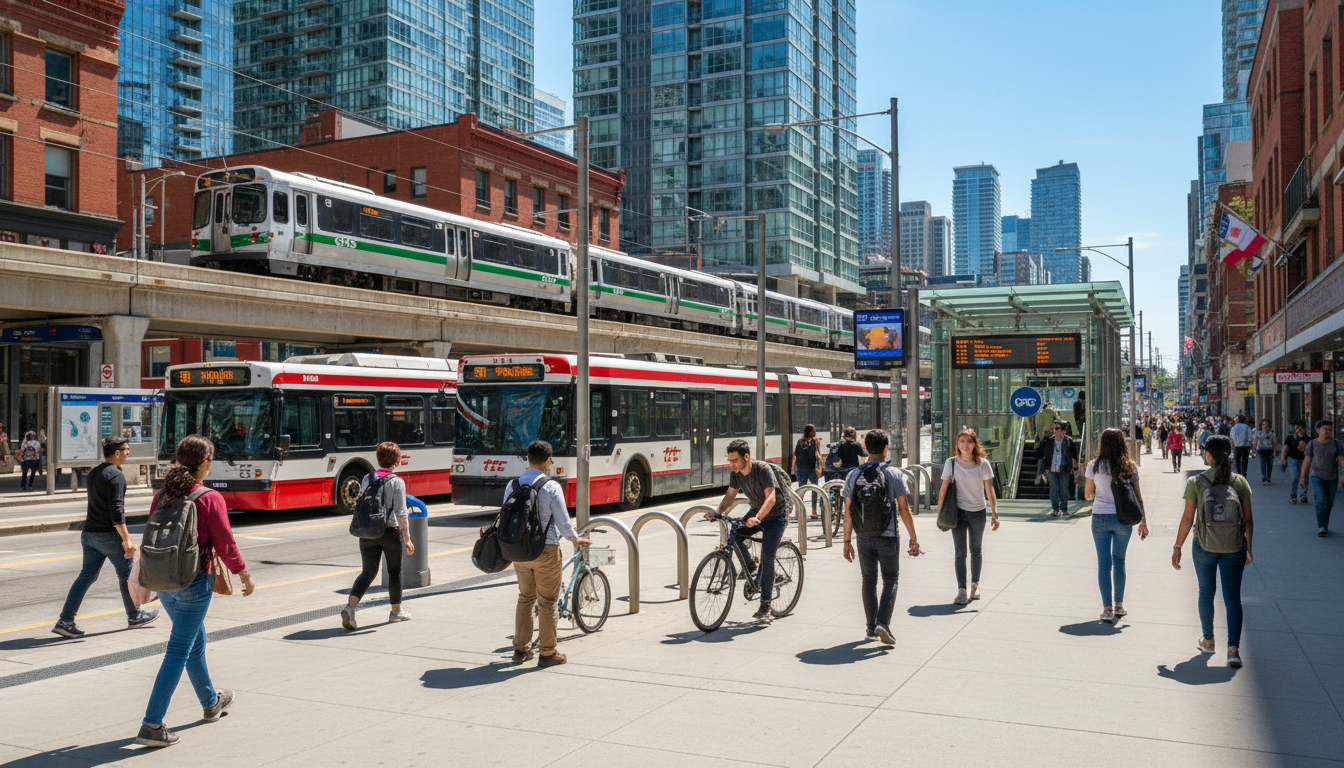
What is the local public transportation access like?
Is local public transit fast, frequent, and reliable? Here’s the hard truth you need before you buy.
Quick snapshot: what "good" public transportation access looks like
Good transit means options, frequency, and predictability. Look for:
- Multiple modes within a short walk: bus, streetcar, subway, and regional rail.
- Frequent service: 10–15 minute peak frequency for buses or streetcars; 5–10 minutes for subway lines.
- Commute time to major hubs under 30 minutes by transit.
- Sidewalks, safe crossings, bike racks and park-and-ride options.
- Clear schedules, real-time apps, and planned transit upgrades.
These are the items I check first when valuing a neighborhood.
How I assess transit access for buyers and investors
As a local expert I map transit to real life. I don’t guess. I verify:
- Walking distance: a 5–10 minute walk to a frequent stop increases rentability and resale value.
- Frequency and hours: late-night service and weekend frequency matter for shift workers and social life.
- Connectivity: direct trips to downtown, hospitals, universities, and major employment centres.
- Reliability: on-time performance and seasonal impacts like snow or construction.
- Future projects: planned subway extensions, rapid transit corridors, or GO Transit upgrades.
I convert those data points into a clear score. Clients get commute times, alternate route maps, and a recommendation: buy, hold, or pass.
Local examples and what they mean for your commute
- Neighborhoods with subway or streetcar access often command higher prices and faster resale.
- Areas served mainly by bus can still win if buses run every 10–15 minutes and connect to a rapid line.
- Proximity to GO Transit or regional rail turns a neighborhood into a commuter hub.
Transit access shapes daily life. It affects how long you spend getting to work, where your kids go to school, and how often you can enjoy the city without a car.
Simple checklist before you sign an offer
- Time a real commute at peak and off-peak.
- Check first/last trip times for your shift hours.
- Walk the route from door to nearest stop.
- Look for planned transit projects at city planning sites.
- Ask for a transit score and a local commute analysis.
Why this matters for price and resale
Homes within easy reach of frequent transit attract more buyers and hold value. Renters pay premiums for short commutes. Investors and homeowners who focus on transit access win market liquidity and lower vacancy risk.
Want a transit-first analysis for any listing? I provide a transit score, commute maps, and a straightforward market recommendation. No fluff. Just data.
Contact me for a personalized transit report and neighborhood breakdown: [email protected] | 416-477-2620 | https://www.sousasells.ca
Featured Real Estate Listings
Browse current properties available right now. Click any listing to view photos, floor plans, or schedule a private tour.


