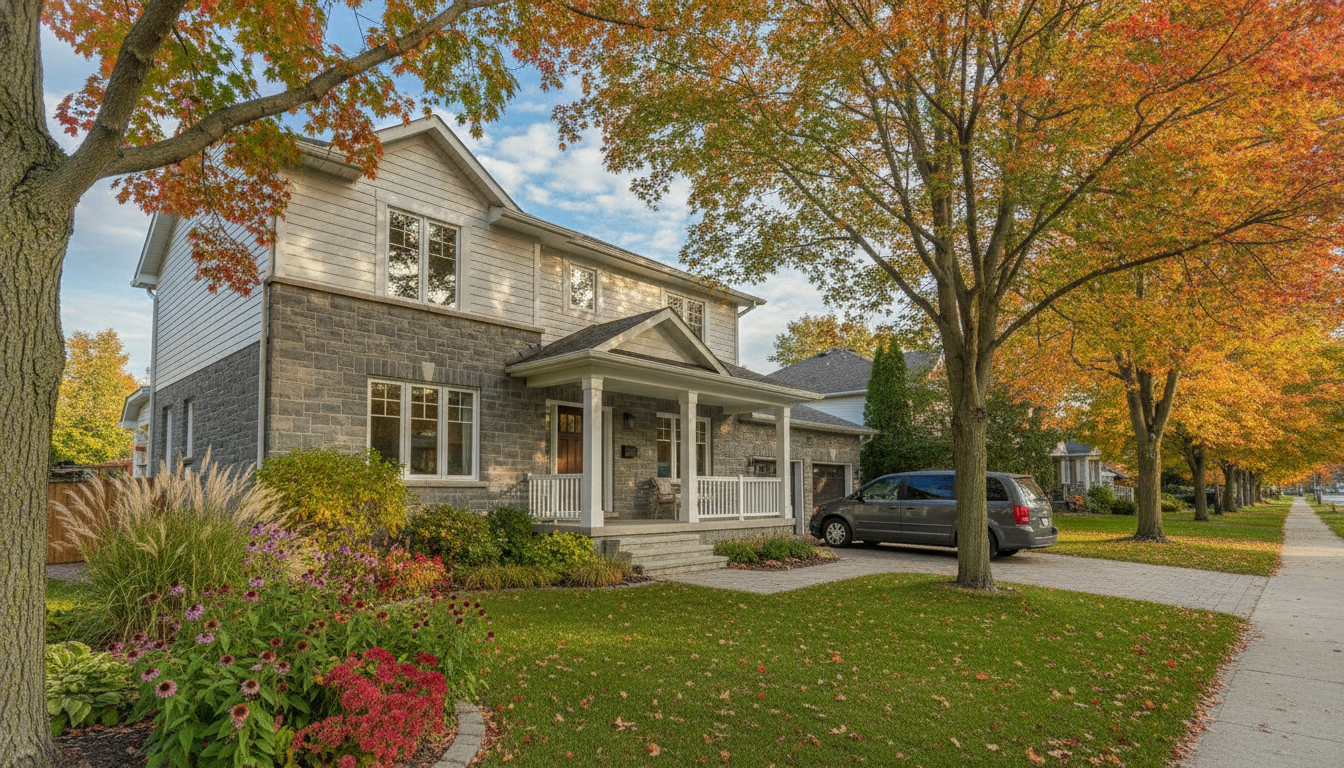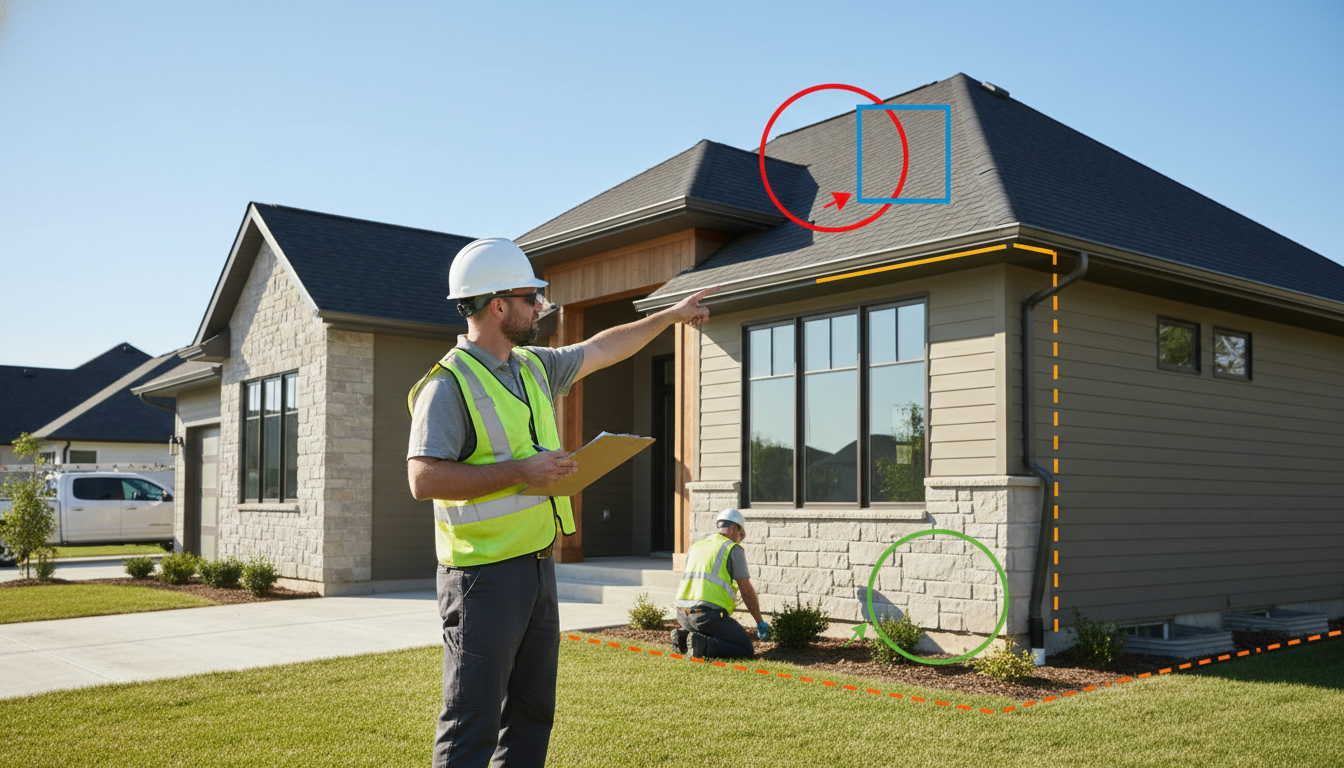
How do I assess the roof and foundation condition?
Want to avoid a renovation nightmare? Inspect your roof and foundation in 7 simple checks.
Why this matters
Renovations & Upgrades start and end with a solid roof and foundation. Miss problems here and every upgrade — new kitchen, finished basement, added floor — becomes more expensive. I’ll give clear, actionable steps to assess roof condition and foundation condition so you can decide what needs repair, replacement, or professional oversight.
Quick roof inspection checklist (do this first)
- Visual roof scan from ground
- Look for missing, cracked, or curled shingles.
- Check for dark streaks, moss or algae growth.
- Note sagging areas or uneven roofline.
- Inspect gutters and downspouts
- Clogged gutters cause water to sit and rot roof edges.
- Look for shingle granules in gutters — sign shingles nearing end of life.
- Examine flashing and valleys
- Rusted, loose, or missing flashing around chimneys, vents and skylights causes leaks.
- Valleys must be clear and sealed.
- Check attic and ceilings
- From inside, look for daylight through roof boards.
- Inspect attic insulation for damp spots and mold.
- Stains on ceilings indicate active leaks — immediate action required.
- Age and roof life expectancy
- Asphalt shingles usually last 15–30 years. Know the roof age.
- If older and showing damage, plan for replacement during renovations.
Quick foundation inspection checklist
- Interior wall and floor cracks
- Hairline cracks are common; horizontal cracks or large stair-step cracks need attention.
- Gaps at baseboards or doors that no longer close squarely indicate movement.
- Exterior foundation check
- Look for vertical, diagonal, or stair-step cracks in the masonry.
- Check for spalling, displacement or crumbling concrete.
- Water and drainage issues
- Poor grading (soil sloping toward the house) causes water to pool at the foundation.
- Check for damp basements, efflorescence (white mineral deposits), or mold.
- Sump pump, weeping tile and basement floor
- Ensure sump pump works and backup power exists.
- Look for bulging walls, bowing or uneven floors.
When to stop and call a professional
- Any active leak, large crack, sagging roofline, or structural movement: call a licensed roof inspector, licensed home inspector, or structural engineer.
- For roofing: certified roofers can provide roof replacement estimates and warranty options.
- For foundations: a structural engineer should assess major cracks or wall bowing before renovations.
Cost and prioritization
- Minor repairs (flashing, small patch) are low-cost and should be done before cosmetic upgrades.
- Major roof replacement or foundation remediation should be factored into renovation budgets early.
If you want a fast, local assessment, I’ll connect you with trusted inspectors and contractors who protect renovation budgets. Contact Tony Sousa, Local Realtor and Renovations & Upgrades advisor: [email protected] | 416-477-2620 | https://www.sousasells.ca
Get the roof and foundation right first — everything else is more profitable, safer, and less stressful.
Featured Real Estate Listings
Browse current properties available right now. Click any listing to view photos, floor plans, or schedule a private tour.