How do I identify mold, pests, or rot?
Is that musty smell, chewed wiring, or soft floorboard hiding a problem that will cost you thousands?
Quick promise
If you can follow a simple checklist, you can spot mold, pests, and wood rot before they become a headline expense. This short guide gives clear, actionable steps you can use during a walk-through or a DIY home inspection.
Why this matters
Undetected mold, pests, or rot lower property value, cause health problems, and create repair bills that shock buyers and owners. Identifying issues early saves money and stress.
Visual checklist — what to look for
- Musty or damp smell in basements, crawlspaces, attics, or behind walls. Smell often arrives before you see mold.
- Discolored patches on walls, ceilings, or drywall: black, green, brown, or white fuzz.
- Peeling paint, bubbling wallpaper, or staining around windows and pipes.
- Soft, spongy, crumbling wood; sagging floors or decks.
- Mud tubes on foundations, hollow-sounding wood, or tiny pinholes (termite signs).
- Rodent droppings, chewed wires, nests in attics or crawlspaces.
- Live insects, shed wings, or frass (sawdust-like droppings) near wooden beams.
How to tell mold from stains
- Texture: mold often looks fuzzy or powdery and may grow in irregular colonies. Stains are flat.
- Location: mold favors high-moisture spots — behind sinks, around shower tiles, under sinks, and window sills.
- Smell: mold smells musty; regular stains usually don’t.
- Quick test: rub a suspected mold spot with a damp white cloth. If color transfers, it may be mold. Don’t disturb significant growth — call a pro.
How to identify pests
- Termites: mud tubes on foundation walls, hollow-sounding wood, discarded wings near windows.
- Carpenter ants: small piles of fine sawdust and larger galleries in wood.
- Rodents: droppings, greasy rub marks along walls, chewed insulation or wiring.
- Cockroaches: dark droppings, egg cases, strong oily smell in hidden areas.
How to spot wood rot
- Soft spots when pressed with a screwdriver or fingernail.
- Dark discoloration and spongy texture.
- Crumbling edges where wood meets moisture sources (window sills, decks, joists).
Simple DIY checks to run now
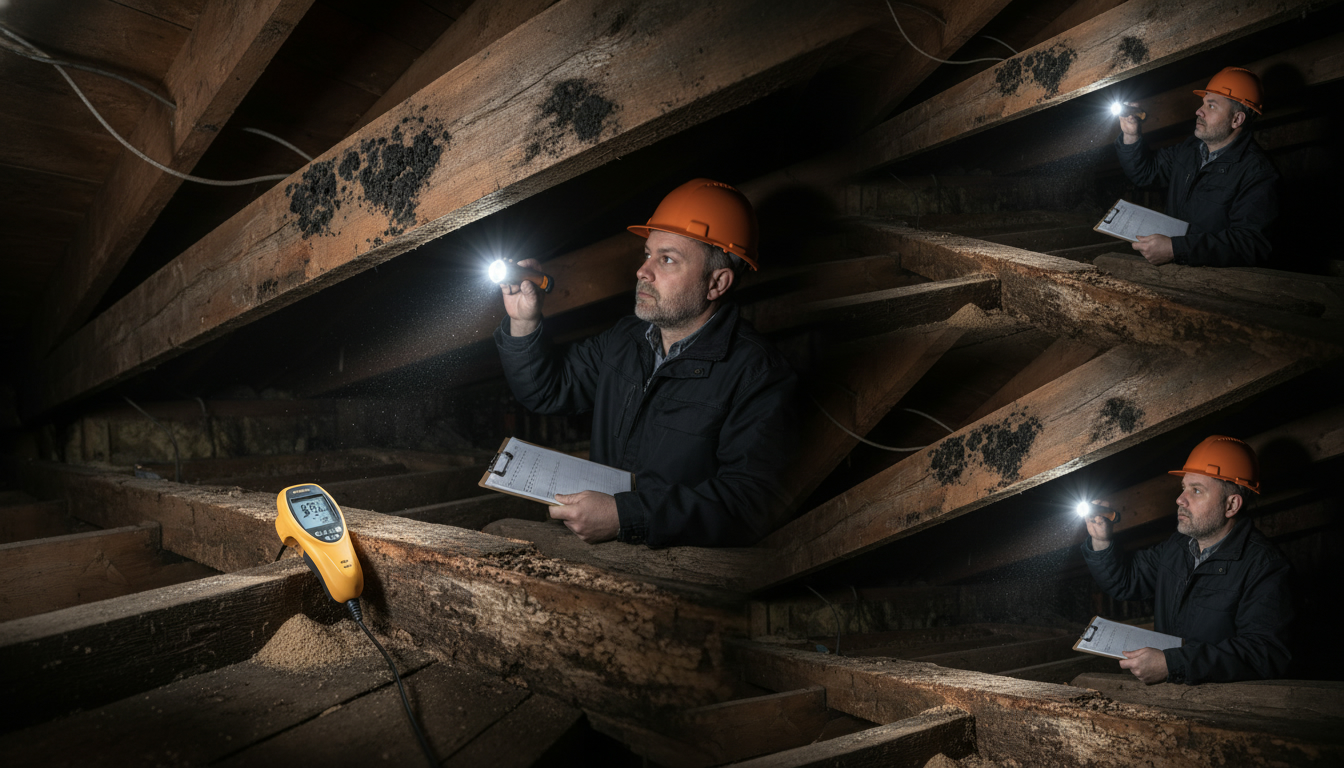
- Use a flashlight and moisture meter (cheap and accurate) to test suspect areas.
- Lift baseboards or check under sinks for hidden leaks.
- Inspect attic and crawlspaces after a dry day to find active leaks.
- Take clear photos and date them for any future claims or contractor estimates.
When to call an expert
If you see widespread mold, structural decay, live pests, or spot tests indicate high moisture, stop. Call a certified mold inspector, licensed pest control, or a structural contractor.
Want a professional, reliable home inspection and fast answers? Contact Tony Sousa — local realtor and trusted property expert. Email: [email protected] | Phone: 416-477-2620 | https://www.sousasells.ca
Use this checklist at every showing, inspection, or walk-through. Spot problems early. Save money. Protect your health and your investment.
Featured Real Estate Listings
Browse current properties available right now. Click any listing to view photos, floor plans, or schedule a private tour.


