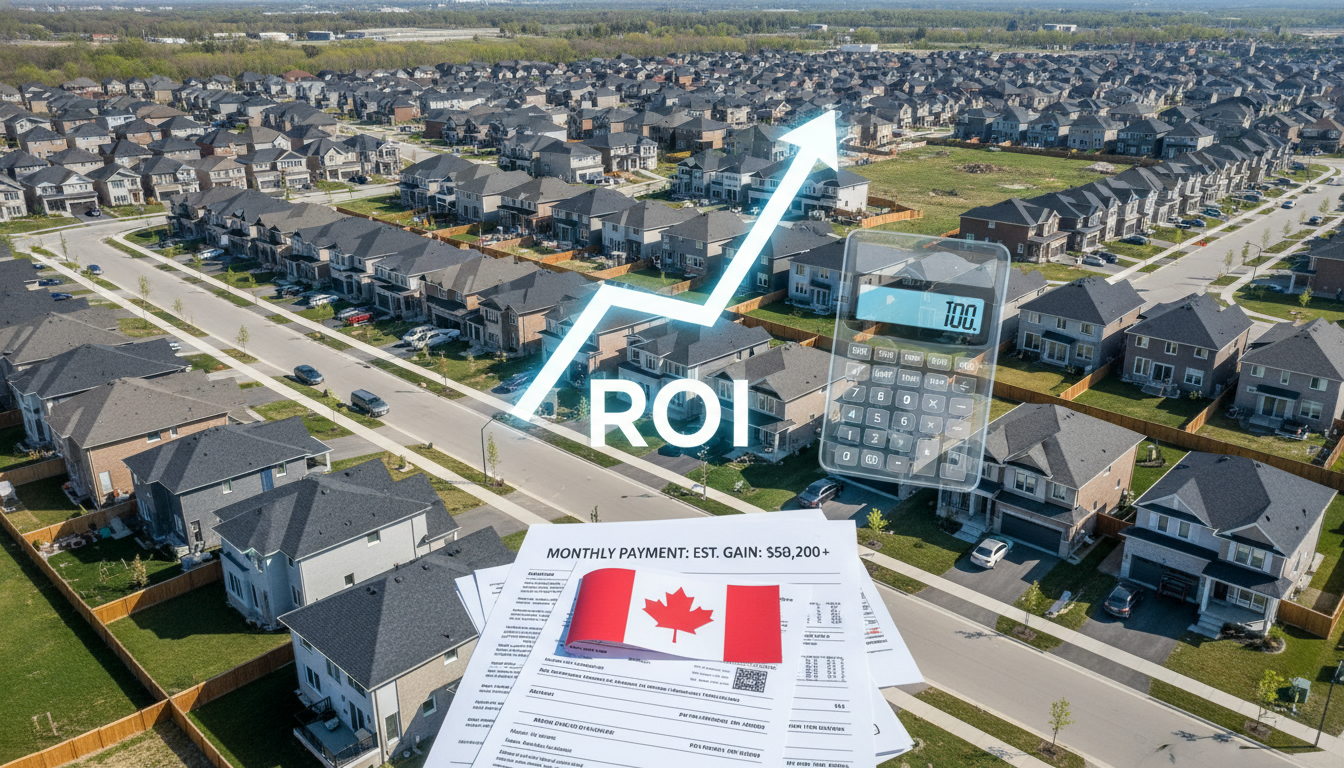
How do I calculate ROI on a property?
Want the exact ROI formula so you don’t lose money on your next Milton property?
Quick statement: What we’re solving
You want to know how to calculate ROI on a property so you can decide whether a Milton investment will make you real returns — not just noise. Below is the exact math, step-by-step, a realistic Milton example, and the local factors that change the result.
Why ROI matters for Milton real estate
Milton is growing fast. More buyers, commuter demand, new development, and limited land equals higher resale value pressure. But growth alone won’t turn a bad deal into a good one. You need to measure ROI — both cash returns while you own the property and the profit when you sell.
Keywords: ROI on a property, calculate ROI property, Milton Ontario real estate, investment property Milton, resale value Milton, cash-on-cash return, cap rate.
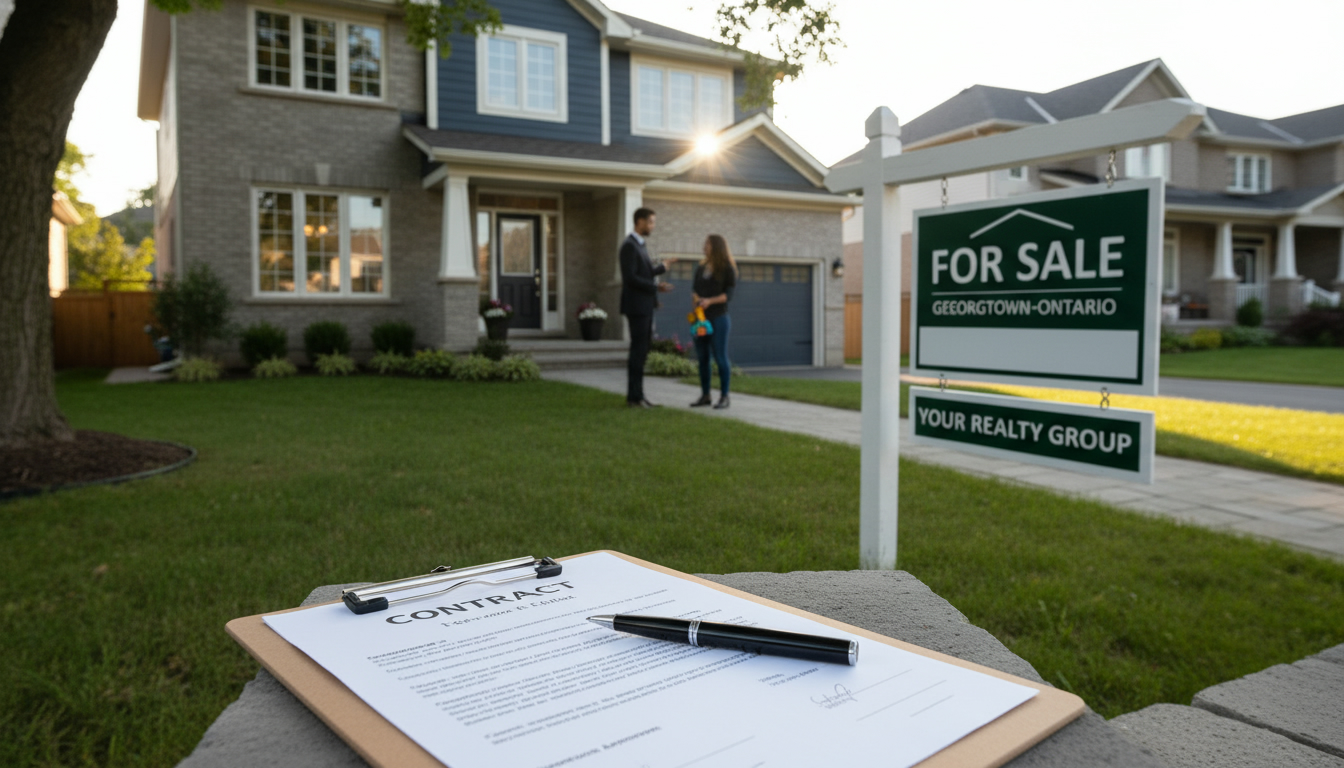
The three ROI numbers every investor needs
- Cap Rate: Snapshot of income vs. price. Useful for quick comps.
- Cash-on-Cash Return: How your actual cash performs each year.
- Total Return (Sale + Cash Flow): The full story — appreciation, cash flow, and principal paydown.
Formulas you can use right now
- Cap Rate = Net Operating Income (NOI) / Purchase Price
- NOI = Gross Rental Income – Vacancy – Operating Expenses (taxes, insurance, maintenance, management, utilities you pay)
- Cash-on-Cash Return = Annual Pre-Tax Cash Flow / Total Cash Invested
- Pre-Tax Cash Flow = NOI – Annual Debt Service (mortgage payments)
- Total ROI on Sale = (Net Sale Proceeds + Cumulative Cash Flow – Total Cash Invested) / Total Cash Invested
Note: Net Sale Proceeds = Sale Price – Selling Costs (commissions, legal) – Mortgage Balance at sale.
Step-by-step: How to calculate ROI on any property
- Gather the numbers
- Purchase price
- Expected monthly rent (market comp for Milton neighborhoods)
- Vacancy rate (use 3–7%)
- Property taxes, insurance, utilities, maintenance, property management
- Financing: down payment, interest rate, amortization
- Estimated resale price and selling costs
- Renovation or immediate repairs
- Calculate effective gross income
- Gross rent x 12 months
- Subtract vacancy percentage
- Calculate NOI
- Effective gross income – operating expenses (exclude mortgage)
- Calculate Cap Rate
- NOI / Purchase price — good quick comparison across listings
- Calculate mortgage payments and annual debt service
- Use your mortgage rate and amortization to get monthly payment
- Annual debt service = monthly payment x 12
- Calculate cash flow and Cash-on-Cash
- Pre-Tax Cash Flow = NOI – Annual Debt Service
- Cash Invested = down payment + closing costs + immediate repairs
- Cash-on-Cash = Pre-Tax Cash Flow / Cash Invested
- Model sale and total ROI
- Project a conservative annual appreciation (Milton historically strong; use 3–6% depending on horizon)
- Estimate mortgage balance at sale after X years
- Net sale proceeds = sale price – selling costs – mortgage balance
- Total Profit = Net sale proceeds + cumulative cash flow – cash invested
- Total ROI = Total Profit / Cash Invested
Real Milton example (illustrative)
This is an example to show the math. These numbers are illustrative. Contact Tony Sousa for a custom calculation on a specific Milton property.
Assumptions
- Purchase price: $800,000
- Down payment: 20% = $160,000
- Mortgage: $640,000 at 4.0% amortized over 25 years (monthly payment ≈ $3,379)
- Monthly rent: $3,200 → Annual gross = $38,400
- Vacancy: 5% → Effective income = $36,480
- Operating expenses (annual): property tax $6,000, insurance $1,200, maintenance $8,000, property management 8% of rent $2,880 → Total expenses = $18,080
NOI = 36,480 – 18,080 = $18,400
Cap Rate = 18,400 / 800,000 = 2.30% (low cap rate — common in hot commuter towns)
Annual mortgage payment ≈ $3,379 x 12 = $40,548
Pre-Tax Cash Flow = NOI – Debt Service = 18,400 – 40,548 = -$22,148 (negative cash flow)
Cash Invested = Down payment 160,000 + closing costs 15,000 + immediate repairs 10,000 = $185,000
Cash-on-Cash = -22,148 / 185,000 = -11.97% (you pay cash each year)
Now the sale after 5 years (illustrative appreciation 5% per year)
- Projected sale price = 800,000 × 1.05^5 ≈ $1,021,000
- Selling costs (5%) ≈ $51,050
- Mortgage balance after 5 years ≈ $559,927 (estimate from amortization)
Net sale proceeds = 1,021,000 – 51,050 – 559,927 = $410,023
Total cumulative cash flow over 5 years = -22,148 × 5 = -$110,740
Total profit = Net sale proceeds + cumulative cash flow – Cash Invested = 410,023 – 110,740 – 185,000 = $114,283
Total ROI (5 years) = 114,283 / 185,000 = 61.8% total → Annualized ≈ 10.2% per year
Interpretation: Even with negative yearly cash flow, Milton’s appreciation and mortgage paydown can produce a strong total ROI. That’s why local market knowledge matters.
What changes ROI in Milton, ON — local factors to watch
- Neighborhood growth: Areas near new subdivisions and schools often appreciate faster.
- Transit upgrades: Milton GO and highway access raise demand for commuters.
- Supply pipeline: New condo or subdivision supply can temporarily cap appreciation.
- Rental demand: Single-family homes rent well to families; condos appeal to young commuters.
- Property tax changes and development charges
Local tip: Properties within walking distance to transit or new community amenities often command higher resale premiums in Milton.
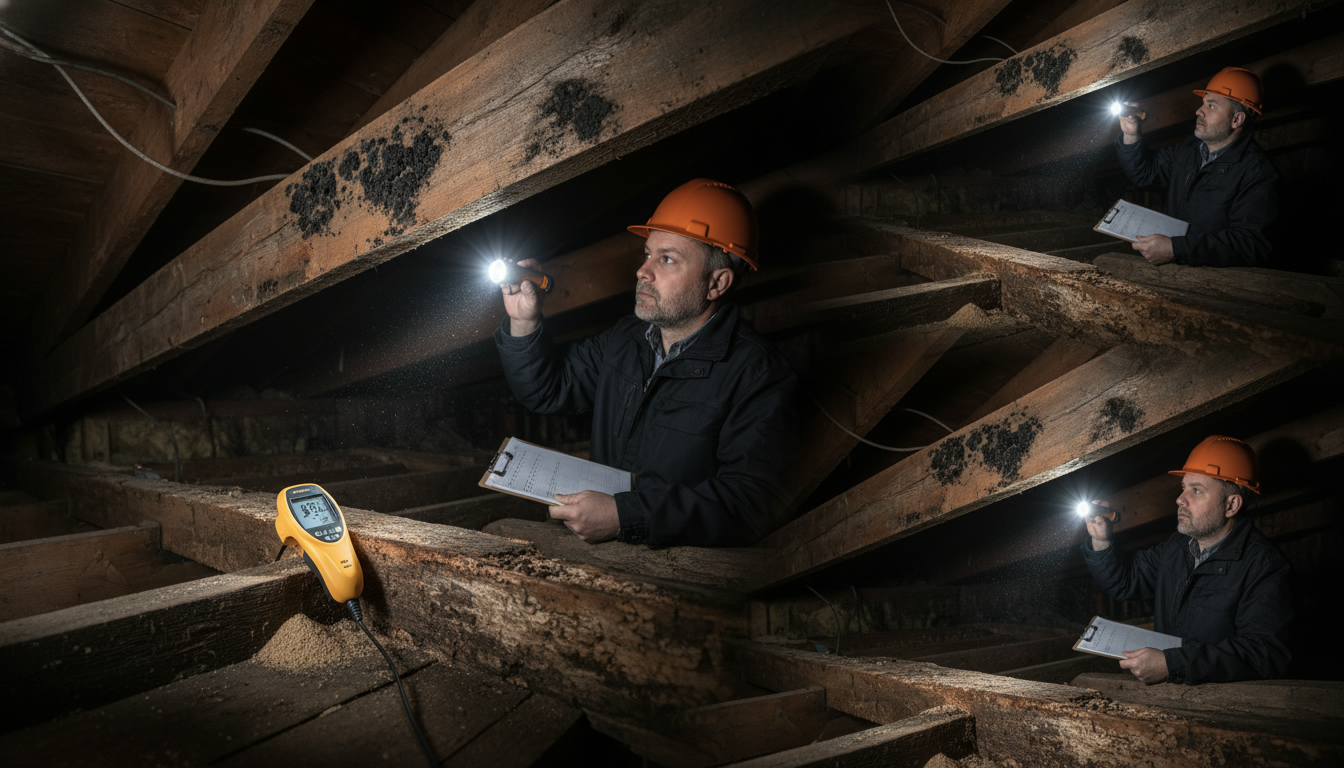
Quick checklist before you run the numbers
- Verify realistic rent comps in Milton (street-level ads, property managers)
- Confirm property tax rate and utility responsibilities
- Factor in realistic vacancy and maintenance reserves (1% of property value per year is safe for older buildings)
- Get pre-approval on mortgage rates — even small rate moves change cash flow
- Model multiple exit scenarios: 3 years, 5 years, 10 years
How to use ROI to choose the right Milton strategy
- If cash-on-cash is negative but total ROI is strong, this is a buy-and-hold appreciation play.
- If you want immediate positive cash flow, look for higher cap rates (more NOI relative to price) — usually farther from core or with value-add rehab potential.
- If resale value matters most, prioritize location, supply constraints, and buyer appeal (bed count, schools, transit).
Why work with a local realtor who runs these numbers every day
You need someone who knows what buyers will pay and renters will accept — two different markets. An experienced Milton agent will:
- Provide accurate rent comps
- Forecast resale demand by neighborhood
- Help model real closing costs and timelines
Tony Sousa runs ROI models for Milton investors. He combines on-the-ground comps with hard math so you don’t buy emotion.
Contact: tony@sousasells.ca | 416-477-2620 | https://www.sousasells.ca
FAQ — ROI, resale value, and Milton-specific questions
Q: What’s a good cap rate in Milton?
A: In Milton’s commuter and family market, cap rates are often lower (2–4%) for single-family houses. Higher cap rates (5%+) usually come from value-add, multi-units, or properties further from transit.
Q: Should I buy for cash flow or appreciation in Milton?
A: That depends on your goals. If you want steady monthly income, look for higher cap rates and lower purchase prices. If you want long-term wealth and can tolerate yearly negative cash flow, look in high-demand Milton neighborhoods for appreciation.
Q: How do closing costs affect ROI?
A: Closing costs (land transfer tax, legal fees, adjustments) are part of total cash invested. They lower your initial ROI and should be included in any calculation.
Q: How much does renovation improve resale ROI?
A: Not all renovations are equal. Kitchens, bathrooms, and curb appeal typically offer higher resale returns. Always estimate renovation costs and expected price increase before moving ahead.
Q: How to factor taxes and depreciation?
A: Depreciation lowers taxable income but doesn’t change cash flow. Always run pre-tax ROI first, then model tax impacts with an accountant.
Q: Is mortgage leverage good or bad for ROI?
A: Leverage amplifies returns both ways. It increases potential total ROI if appreciation is strong. It increases risk if prices fall or rents drop.
Q: Which Milton neighborhoods are best for resale?
A: Look for areas with good schools, transit access, and limited new supply. Specific micro-markets shift — check with a local agent for current top picks.
Q: Can you guarantee returns in Milton?
A: No. Real estate has no guaranteed returns. A data-driven local strategy improves odds and helps you manage risk.

Final action step
Run the numbers before you bid. Use the formulas here. If you want a custom ROI model for a specific Milton property — with realistic rents, taxes, mortgage options, and projected resale — get in touch.
Tony Sousa | Milton, ON Realtor
Email: tony@sousasells.ca
Phone: 416-477-2620
Website: https://www.sousasells.ca
If you want, send the MLS or listing link and I’ll run a free ROI model for that property.