Are there restrictions on rental properties in
certain areas?
Are rentals allowed everywhere in Milton? Here’s why that simple question can cost you thousands—and how to beat the rules.
Quick answer upfront
Yes — there are restrictions. Not every property can legally be rented the way you imagine. Restrictions come from zoning, building and fire codes, provincial tenancy laws, conservation rules, condo bylaws, and sometimes municipal licensing. In Milton, these rules matter. Ignore them and you risk fines, forced vacancy, or being unable to rent at all.
Why landlords need to stop guessing and start checking
If you treat a property like it’s automatically rentable, you gamble with money, time, and reputation. I work with investors and homeowners in Milton every week. The properties that win are the ones that follow the rules first, then optimize for profit.
This post cuts to what matters: the types of restrictions, how they apply in Milton, what checks to run, and how to act fast. No fluff. Just steps that protect your investment and get you lawful income.
Types of rental restrictions that matter
- Zoning restrictions: Local zoning rules decide where rentals, duplexes, or multi-unit conversions are allowed. Some zones prohibit certain forms of rental housing.
- Building Code and permits: Creating a secondary suite or converting a basement requires permits and compliance with the Ontario Building Code.
- Fire Code and safety: Ontario Fire Code rules often require separate egress, smoke detectors, and fire separations for rental units.
- Short-term rental (STR) rules: Some municipalities regulate or license STRs, limiting where you can list on platforms like Airbnb.
- Condominium and HOA bylaws: Condos can restrict or ban rentals, or require minimum lease terms.
- Conservation and heritage restrictions: Properties in protected areas or heritage districts may face limits on alterations that affect rental conversions.
- Provincial tenancy laws: The Residential Tenancies Act (RTA) governs landlord-tenant relationships once you legally rent.

How those restrictions show up in Milton, Ontario
Milton follows the same legal framework as other Ontario municipalities. That means these practical realities:
1) Zoning comes first
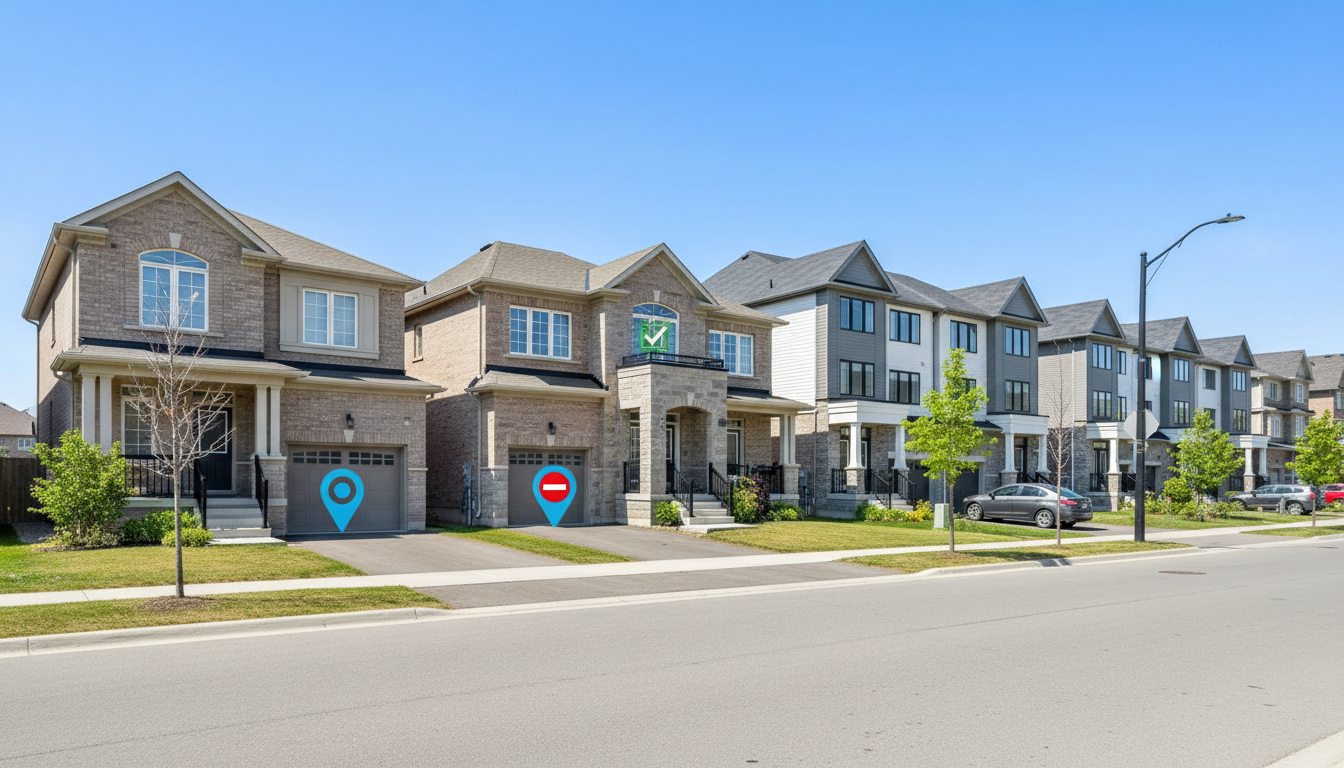
Milton’s Zoning By-law and Official Plan determine what uses are permitted on each lot. Many single-family zones allow a single-detached home only. In those zones, adding a second unit or legal basement apartment may still be allowed under specific rules, but you must check the property’s zone and any site-specific exceptions.
2) Secondary suites and basement apartments
Ontario allows secondary units in most residential zones, but local rules control how they are introduced. In Milton, building permits and compliance with the Ontario Building Code and Fire Code are required for legal second units. You need proper egress, ceiling height, and separate services in some cases.
3) Short-term rentals require a check
Municipalities across Ontario have been tightening STR rules. Milton has considered policies on short-term accommodations. If you plan to operate an STR, check Milton’s latest municipal rules and whether a business licence is required. Also check condo rules and the Region of Halton by-laws.
4) Fire and safety inspections matter
Before renting, the unit may need a safety inspection. Milton’s fire services enforce egress, smoke and carbon monoxide detectors, and fire separations. Non-compliance can lead to orders to vacate.
5) Heritage and conservation areas restrict changes
If the property sits in a heritage conservation district or on protected land managed by a Conservation Authority, you may face limits on changes needed to create a rental suite. That can block conversions or add cost.
6) Condo and HOA rules override municipal allowances
Even if municipal rules allow rentals, condo boards can restrict or ban short-term rentals and can set minimum lease lengths. Always request the condo’s declaration, bylaws, and rental disclosure statement.
7) Region of Halton regulations
Milton sits inside the Region of Halton. Some regional services and policies (e.g., wastewater capacity, public health rules) can affect development approvals for rental conversions.
Real-world examples (what I see in Milton)
- Investor buys a bungalow, advertises a basement suite, receives a municipal order because no permits and inadequate egress were present. Costly fix and lost income.
- Condo owner lists a unit on an STR platform. Condo board imposes fines under bylaws, and the platform delists the unit after complaints.
- Landlord renovates to add a second unit without a building permit. After an inspection, they must remove the unit or bring it up to code—expensive and slow.
These are common. They’re avoidable with the right checks before purchase and before listing.
Step-by-step checklist before you buy or rent out a property in Milton
- Check the zoning: Get the property’s zoning designation and site-specific notes from Milton’s planning department or the municipal website.
- Review the Official Plan: See if policies or future land-use changes affect rental use.
- Ask for permits and drawings: If a unit exists, ask for a building permit and occupancy permit. Don’t assume permits were pulled.
- Run a condo/HOA search: Obtain bylaws, rental restrictions, and meeting minutes that relate to rentals.
- Fire & safety: Request fire inspection records and ensure required egress and detectors are in place.
- Short-term rental rules: Confirm if a business licence or registration is needed for STRs.
- Conservation/heritage check: Review any heritage designations or conservation authority restrictions.
- Consult a local expert: A local realtor or land-use planner can interpret site-specific rules and fast-track approvals.
How to fix illegal or non-compliant units in Milton
- Get permits retroactively where possible: In many cases you can apply for a building permit to legalize work, but expect required upgrades.
- Bring the unit up to code: That means structural changes, egress windows, fire separations, or separate meters where required.
- Negotiate with the condo board: If the issue is a condo rule, sometimes the board allows exceptions or amendments, but that’s rare.
- Appeal or apply for minor variances: For zoning conflicts, a minor variance through the Committee of Adjustment may help.
Each path costs time and money. The cheaper path is doing it right before you create the rental.

What a Milton landlord must know about tenant law
Once your unit is legally available to rent, the landlord-tenant relationship is governed by the Residential Tenancies Act (RTA). That means:
- You must follow prescribed notice periods and eviction procedures.
- Security deposit rules differ from other provinces (Ontario only allows rent deposits limited to the first and last month under specific conditions).
- Rent control rules may apply depending on the property’s status and timeline.
Legal compliance with tenancy law and municipal rules protects you from fines and legal claims.
Save time and money: a quick plan for investors
- Before you buy: Add a zoning and permitting contingency to your offer.
- At closing: Request copies of permits, condo bylaws, and safety inspection records.
- Before listing: Schedule a fire safety walkthrough and verify building code compliance.
- For STRs: Confirm licensing and condo approval first.
This sequence avoids the biggest losses I see in Milton: forced vacancy and expensive retrofits.
Why local expertise matters
Municipal rules change. Staff interpretations vary. A local realtor and planner will know how Milton enforces rules, which neighborhoods are more flexible, and which properties carry hidden risks. I’ve saved clients tens of thousands by flagging zoning restrictions before close.
If you want a concrete property check or a pre-offer zoning review, contact me. I’ll run the checks, list the permits you need, and map the fastest path to lawful occupancy.
Contact: Tony Sousa, Local Realtor
- Email: tony@sousasells.ca
- Phone: 416-477-2620
- Website: https://www.sousasells.ca
FAQ — Common questions about rental restrictions in Milton, ON
Can I rent my basement suite in Milton?
Yes, if it complies with Milton’s zoning and the Ontario Building and Fire Codes. You need proper egress, adequate ceiling height, and permitted changes recorded with a building permit if required.
Do I need a licence to operate a short-term rental in Milton?
Check Milton’s current municipal rules and any regional requirements. Many municipalities require business licences or registration for STRs. Also check condo bylaws.
Can a condo board stop me from renting my unit?
Yes. Condo declarations and bylaws can limit or ban rentals, or require minimum lease terms. They can also fine owners for bylaw violations.
What happens if I rent without permits?
You risk municipal orders, fines, and being forced to undo the unit. You may also lose rental income during mandatory repairs.
How do I check zoning for a property in Milton?
Request the zoning designation from the Town of Milton’s planning department or ask your realtor to retrieve the zoning mapping and relevant sections of the Zoning By-law.
Who enforces rental restrictions?
Municipal by-law officers, building inspectors, fire services, condo boards, and provincial bodies (for tenancy law). Enforcement varies by issue.
Can I legalize an unpermitted unit?
Often yes, but you must meet building and fire requirements. A building permit application and inspected upgrades are typically required.
Where can I get help?
Talk to a local realtor experienced with Milton zoning, a qualified contractor, or a land-use planner. If you want me to run a property-specific check, contact me directly.
This is practical guidance, not legal advice. Rules change. For a property-specific review, get a formal zoning opinion or contact the Town of Milton planning office. If you want a free pre-offer review, reach out: tony@sousasells.ca | 416-477-2620 | https://www.sousasells.ca