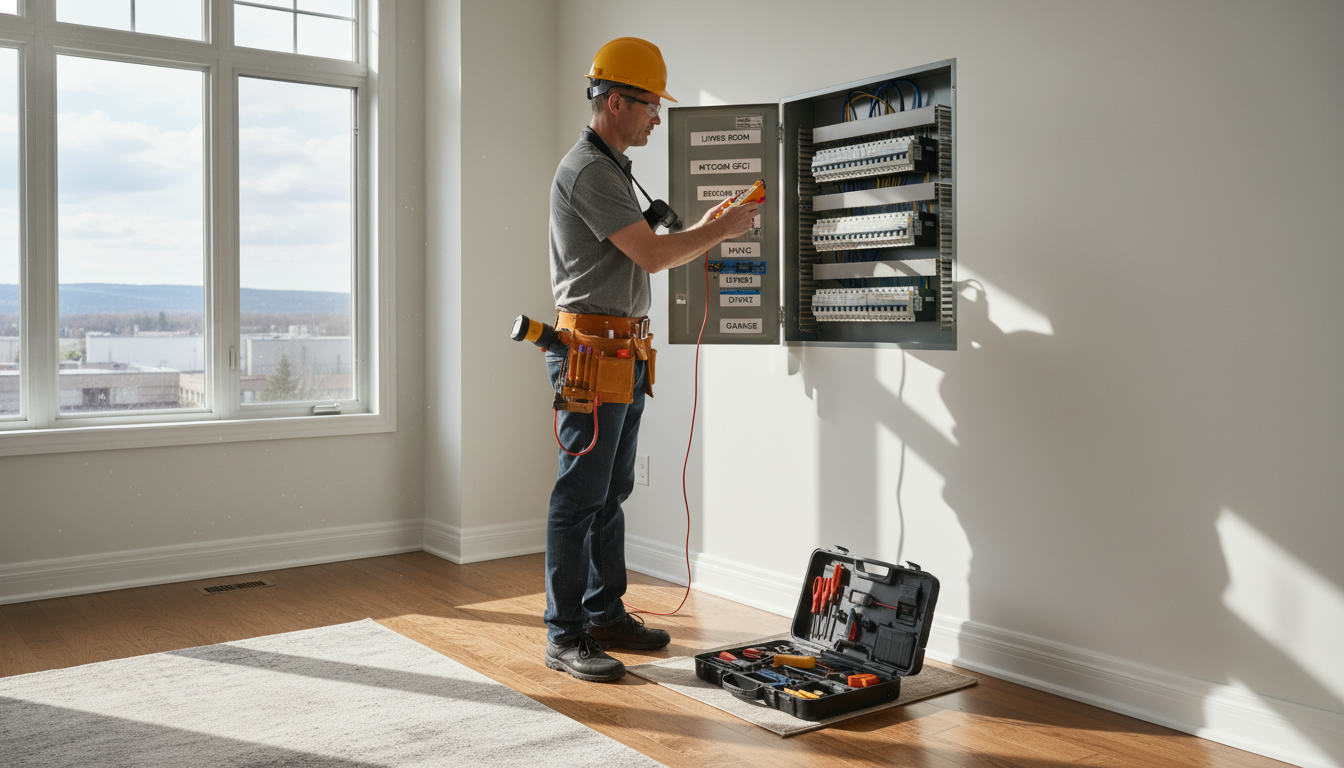
Should I inspect electrical panels and wiring?
Don’t list your Milton home yet—Should I inspect electrical panels and wiring? The answer every seller needs now.
Why this matters for Milton home sellers
If you’re selling a home in Milton, Ontario, this question is not optional. Electrical panels and wiring are high-impact items on a home inspection report. A missed issue can delay a sale, trigger costly last-minute repairs, or kill an offer. Get ahead of it and you control the narrative. That’s the difference between a fast sale at full price and a stressful negotiation filled with surprises.
This post gives clear, local advice on inspecting electrical panels and wiring. It tells you what to look for, when to hire pros, what repairs make sense, and how to present documentation to buyers so you sell confidently and fast.
The reality: electrical problems affect price and timing
Buyers want certainty. Lenders and insurers care about electrical safety. In Milton’s market, a flagged electrical issue can lead to:
- Reduced offers to cover perceived risk
- Requests for repair before closing
- Delays while electricians fix items or obtain permits
- Buyer walkaways when inspections reveal out-of-code work
A pre-listing electrical inspection lets you fix problems on your terms, set a fair asking price, and avoid last-minute negotiations.

Common electrical red flags in Ontario homes
These are the issues that show up most often on inspection reports and that buyers notice instantly:
- Outdated or unsafe panels (Federal Pacific, Zinsco) that fail to trip
- Double-tapped breakers and overloaded circuits
- Aluminum branch wiring (common in 1960s–1970s homes) with higher fire risk
- Knob-and-tube wiring in very old homes
- DIY modifications without permits or ESA notification
- Ungrounded outlets and missing bonding for plumbing or gas lines
- Loose or brittle wiring and scorched connections
Any one of these can drop buyer confidence and give them leverage to demand significant concessions.
Local rules you need to know — Ontario and Milton specifics
Ontario’s Electrical Safety Authority (ESA) enforces the Ontario Electrical Safety Code. Key points sellers must know:
- Major electrical work often needs a permit and ESA inspection. Buyers or their insurers may demand proof of permit and ESA completion.
- ESA compliance increases buyer trust and can speed mortgage and insurance approval.
- Licensed electricians will issue documentation you can show to buyers.
Knowing this protects you from hidden liabilities and positions your home as a well-maintained property in Milton’s competitive market.
Inspect now, save time and money later — step-by-step plan for sellers
- Schedule a pre-listing electrical inspection with a licensed home inspector or licensed electrician experienced in Milton market issues.
- Ask for a detailed report that lists immediate safety hazards, items that need repair, and recommended upgrades.
- Prioritize safety hazards first (scorched wires, open splices, overloaded panels). Fix these with a licensed electrician and get ESA sign-off if required.
- For non-safety upgrades (panel replacement, adding circuits), weigh cost vs. faster sale. Sometimes offering a credit or reducing the price is smarter than doing big renovations.
- Keep documentation: invoices, permits, ESA certificates, and the inspection report. Put these in a packet with your listing materials.
This plan lets you control the timeline and negotiation. Buyers love documentation. Agents sell it.
Cost vs. return — what to expect
- Basic electrical safety checks and small fixes: often a few hundred dollars.
- Common repairs (replace breaker, fix grounding, correct wiring errors): $300–$1,500 depending on complexity.
- Panel upgrades or full rewiring: $2,000–$8,000+ depending on house size and access.
Compare that to the downside: price reductions, longer time on market, or lost offers. In Milton’s market, spending to remediate a clear safety issue usually earns back more than it costs by avoiding concessions and giving buyers confidence.
How to pick the right inspector and electrician in Milton
- Choose a licensed home inspector who includes a full electrical panel evaluation in their pre-listing inspection.
- For repairs, hire a licensed electrician registered in Ontario. Ask about experience with ESA permitting.
- Get at least two quotes for larger jobs. Check references and online reviews.
- Ask for written timelines, permits, and ESA certificates where applicable.
Avoid general handymen for electrical work. Licensed pros protect you and the buyer.
How to present electrical work to buyers
- Put the inspection report, repair invoices, permits, and ESA certificates in your listing disclosure pack.
- Highlight completed safety fixes in the listing description and agent remarks (e.g., “Electrical panel inspected, safety repairs completed, ESA certificate available”).
- If you didn’t replace a panel, still show the inspection report and a licensed electrician’s statement on condition.
Transparency reduces friction and speeds closings.
Real-world example (what sellers in Milton face)
A Milton seller listed a 1990s bungalow. The buyer’s inspector flagged double-tapped breakers and an older panel. The buyer reduced their offer by $7,500 pending repairs. The seller then had two options: repair for $2,200 or accept the reduced offer. The seller paid the electrician, obtained the ESA certificate, and completed the sale at the original asking price after providing documentation. The investment saved time, preserved price, and avoided emotional stress.
That’s a common outcome. Sellers who act first control the deal.
When not to replace the panel (and when to replace it)
Replace the panel when:
- The panel is known to be unsafe (Federal Pacific, Zinsco).
- The panel can’t handle modern electrical load safely (frequent tripping, overheating).
- There’s significant damaged wiring or no grounding.
Don’t replace just to impress if the inspector says the panel is safe and code-compliant. Sometimes a clear, professional inspection report is enough.

Buyer psychology — why documented electrical work sells homes faster
Buyers pay for certainty. When you show an inspection report plus licensed repairs and ESA paperwork, you remove doubts. That reduces the chance a buyer will demand a lower price or back out. In Milton’s fast market, perceived certainty often translates to faster offers and better price execution.
Quick checklist for sellers — inspect electrical panels and wiring
- Order a pre-listing electrical inspection
- Fix immediate safety hazards first
- Get repairs done by a licensed electrician
- Obtain permits and ESA certificates when required
- Provide all documentation to buyers and your agent
- Consider a reasonable credit instead of a major renovation if cost outweighs return
Final push — why Tony Sousa recommends this approach
Selling a home is about reducing friction and building trust. Inspecting electrical panels and wiring is a small, high-impact move that decreases risk and speeds sales. As a Milton real estate expert, Tony Sousa sees these issues derail transactions. Pre-inspect, fix or document, and present the paperwork. That puts you in control.
If you want help coordinating a pre-listing inspection or need a referral to a licensed electrician in Milton, reach out:
Tony Sousa — Local Milton Realtor
Email: tony@sousasells.ca
Phone: 416-477-2620
Website: https://www.sousasells.ca
FAQ — Electrical inspections and selling a home in Milton
Q: Should I always inspect electrical panels and wiring before listing?
A: Yes. A pre-listing inspection reduces surprises and gives you leverage. Even if the report is clean, it’s a selling tool.
Q: How much does an electrical inspection cost in Milton?
A: A focused electrical inspection ranges from a few hundred dollars up to $500–$700 depending on depth. Full home inspections that include electrical checks vary by inspector.
Q: Do I need an ESA certificate to sell?
A: You don’t always need one to sell, but buyers, lenders, or insurers may request it if work was done. If repairs required permits, obtain ESA sign-off to avoid delays.
Q: What are the most common issues found?
A: Outdated panels, double-tapped breakers, DIY wiring, lack of grounding, and overloaded circuits are frequent red flags.
Q: Should I replace the panel before listing or offer a credit?
A: If the panel is unsafe or fails inspections, replace it. If the panel is functional but dated, sometimes offering a credit or reducing the price is smarter. Get professional advice and a cost estimate.
Q: How long does electrical work take?
A: Small repairs can take a day. Panel upgrades or major rewiring take several days to a week depending on scope and permitting.
Q: Can I use any electrician?
A: Use a licensed Ontario electrician who understands ESA requirements. They provide proper permits and documentation.
Q: Will a flagged electrical issue stop a sale in Milton?
A: It can. Many buyers will request repairs or credits. Some buyers may walk away if the problem seems risky. Handling issues ahead of time prevents this.
Q: How do I prove electrical work was done correctly?
A: Keep invoices, permits, and ESA certificates. Present these documents to buyers and your agent.
Q: Does the age of my home matter?
A: Yes. Older homes are more likely to have outdated wiring systems. Homes built before 1970 may have knob-and-tube; homes from 1960–1980 may have aluminum wiring. Age increases the chance of needed upgrades.
Ready to sell with confidence? Pre-listing electrical inspection and clean documentation is one of the highest-ROI moves a Milton seller can make. Contact Tony Sousa for local guidance and trusted electrician referrals that get the job done right.