Are there restrictions on rental properties in
certain areas?
Are there restrictions on rental properties in certain areas? Read this: Is your Georgetown home a rental goldmine — or a legal headache?
Quick, blunt answer
Yes. There are restrictions. Zoning bylaws, licensing rules, and municipal policies can limit rentals in parts of Georgetown, Ontario. Those rules change value, buyer pool, and closing paperwork. If you plan to sell a property that is or could be rented, you must know which rules apply now — and what will hit a buyer after closing.
Why this matters to home sellers in Georgetown
You sell for price. Buyers buy for predictability. Rental restrictions create uncertainty. That uncertainty turns into lower offers, longer time on market, and legal risk at closing.
- A home that cannot be legally rented to multiple unrelated tenants can lose thousands in buyer interest.
- A property with missing rental licensing or incomplete documentation becomes a negotiation leverage for buyers.
- Short-term rental rules (Airbnb-style) can cut potential income streams that buyers price into offers.
This is not theory. It’s practical market impact I’ve seen in Georgetown transactions. Proper legal documentation and disclosure turn unknowns into trust — and trust increases sale price and speed.
The toolbox: what restricts rental properties in Georgetown
Municipal and provincial rules work together. Know the main controls:
1. Zoning bylaws
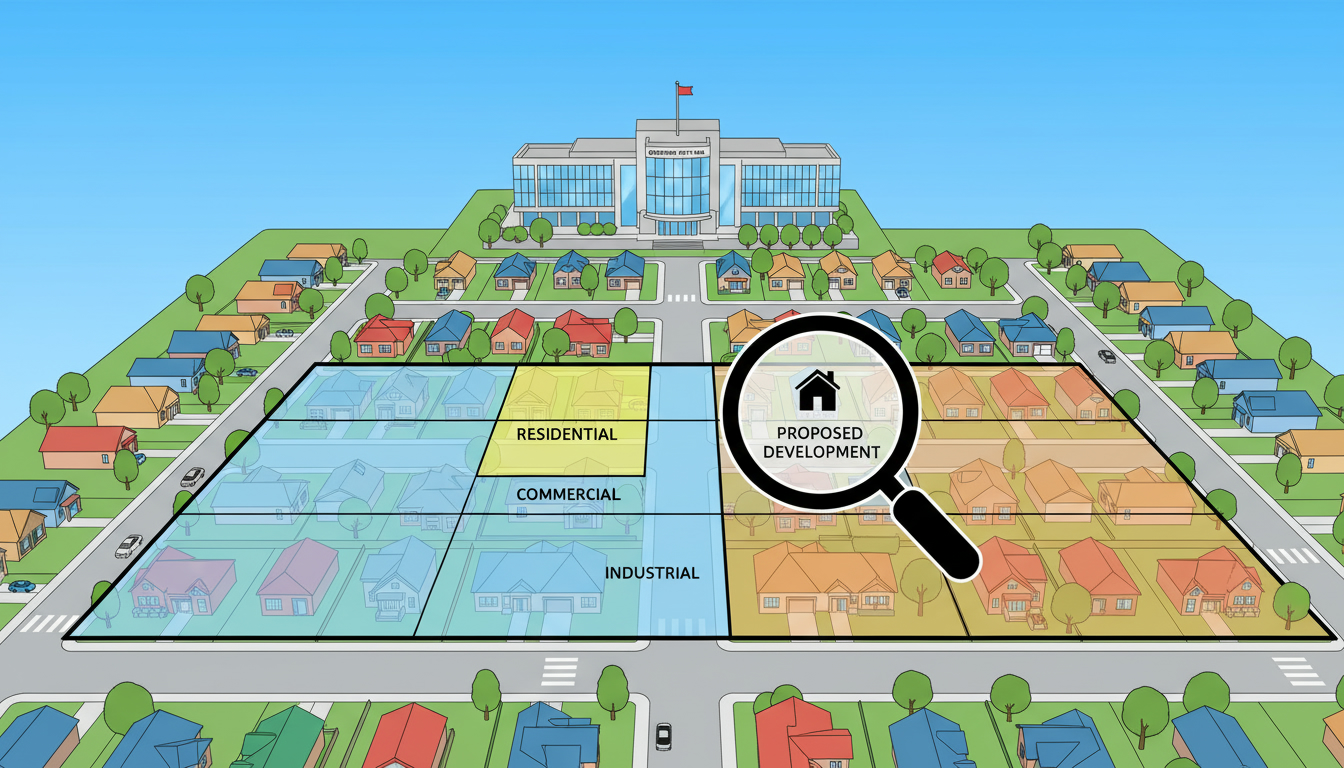
Halton Hills (which includes Georgetown) uses zoning to control land use. Zoning can:
- Ban multiple-unit conversions in single-family zones
- Limit secondary suites (basements, garden suites) by size or entrance
- Restrict short-term rentals in certain residential areas
If zoning does not permit a unit type, past informal rentals may be illegal and require retroactive permits or remediation at buyer insistence.
2. Rental licensing and registration
Some municipalities require landlords to register rental units or hold licenses. While Halton Hills does not have an aggressive region-wide landlord licensing program like some big cities, specific rules or pilot programs can apply. Always confirm current local policy.
3. Provincial laws
Ontario’s Residential Tenancies Act (RTA) sets tenant rights, eviction rules, and rent control areas. Sellers must understand how the RTA affects transfer of tenancies and what tenancy records must be handed to buyers.
4. Conservation, heritage, and committee controls
Some properties in Georgetown fall inside heritage conservation districts or near protected lands. Heritage designation can restrict alterations including creating separate rental entrances or secondary units.
5. Building code and occupancy limits
Even if zoning allows a rental unit, building code may require upgrades (fire separations, egress windows, separate heating). Occupancy limits determine how many unrelated adults may legally live in a unit.
Real, immediate steps sellers must take (no fluff)
If you’re selling in Georgetown and rental potential matters, do this now:
- Order a zoning and title check. Confirm permitted uses and any restrictive covenants.
- Gather rental documents. Leases, rent rolls, security deposit records, Tenant ledgers, and maintenance logs.
- Verify permits. For secondary suites, check building permits and occupancy certificates.
- Check heritage and conservation overlays. These can require approvals for any unit changes.
- Consult a real estate lawyer early. They prepare disclosure and transfer documents that avoid closing delays.
These steps reduce buyer hesitation. They also prevent last-minute price drops or legal pushback at closing.
What I see buyers and agents do wrong
Most sellers underestimate the work and overestimate buyer tolerance. Common mistakes:
- Hiding past informal rentals. Buyers uncover this in due diligence and penalize sellers.
- Assuming ‘grandfathered’ status without verification. Grandfathering can evaporate with a sale or renovation.
- Not converting verbal tenant arrangements into written leases before listing.
- Forgetting to disclose active bylaw fines or outstanding work orders.
Fix these before listing and you eliminate surprise negotiations.
Pricing impact: numbers that matter
Buyers price risk. Here’s how restrictions typically affect offers in Georgetown markets:
- Minor documentation gaps (missing lease, deposit proof): 2–5% reduction in offer.
- Zoning conflicts requiring remediation (permit work, renovations): 5–12% reduction or offers contingent on seller completion.
- Illegal short-term rental exposure or active fines: 8–15% drop and longer time on market.
You can reclaim much of that with clean documentation and proactive fixes.
How restrictions shape buyer pools
Restrictions filter buyers. If rental is limited or blocked:
- Investors and landlords disappear from your buyer list.
- Owner-occupiers often pay a premium because they face less risk.
- Buyers seeking rental income will discount the home for loss of cashflow.
Control your narrative. If rental is approved and documented, market to investors. If rental is restricted, appeal to owner-occupiers and price accordingly.

Documentation sellers must present at listing and closing
Be ready to hand over a complete legal package:
- Title and deed documents
- Zoning compliance letter or municipal zoning certificate
- Building permits and occupancy certificates for any secondary suite
- Active leases, tenant contact details, rent roll, and deposit receipts
- Records of landlord-tenant disputes, evictions, or outstanding orders
- Property standards or bylaw complaint history and resolutions
- Clear disclosure of any income from short-term rentals and associated taxes or licensing
Buyers’ lawyers will request these. When you can supply them in advance, the deal closes faster and cleaner.
Short-term rentals: a special case
Short-term rentals often face tighter controls. In Georgetown:
- Check Halton Hills short-term rental policy and any pilot programs.
- Confirm tax registration and remittance for transient accommodation taxes.
- Disclose booking history, guest logs, and city communications.
Failing to disclose short-term rental activity can create legal penalties and buyer walkaways.
Transfer of tenancies — what happens at closing
In Ontario, most tenancies stay with the property. Buyers often step into the landlord role. Parties must decide:
- Will the buyer accept existing tenants under the same lease terms?
- Will the seller offer vacant possession (evicting tenants before closing)?
Evictions are governed strictly by the RTA and must be handled well before closing if vacant possession is required. Waiting until the last minute is costly.
How to position your property in the market for maximum sale price
Follow these steps:
- Clean the legal house first. Fix permits and file missing paperwork.
- Market the permitted use. If rentals are allowed, highlight legal rental income with supporting documents.
- If rental is restricted, reposition the home for owner-occupiers and emphasize features that matter to them (schools, commute, neighbourhood).
- Offer a full disclosure packet to qualified buyers. Make the first impression one of competence.
This turns risk into a selling point. Buyers pay for certainty.

Local market insight: Georgetown specifics you need to know
- The town has a mix of older neighbourhoods with unique heritage bylaws and newer subdivisions with more flexible zoning. That split matters.
- Secondary suites in older homes often lack formal permits. That’s the top issue I see in Georgetown listings.
- Investors who focus on student or short-term rentals are selective — they want clear licensing and occupancy rules.
The takeaway: one-size-fits-all advice fails here. Local nuance decides value.
Why work with a local Legal & Documentation expert
You need an adviser who combines legal knowledge, municipal contacts, and market muscle. That adviser will:
- Identify hidden bylaw risk before you list
- Prepare the documentation that buyers’ lawyers expect
- Structure the sale to preserve value and speed
That skillset prevents last-minute negotiation giveaways and legal headaches.
Call to action
If you’re selling in Georgetown and rental status could matter, do not list without a legal check. Get zoning verification, permit review, and a disclosure package ready. When you prepare legally, you sell faster and for more.
Contact an experienced local Realtor who handles Legal & Documentation for rental properties in Georgetown. Send an email or call for a straightforward review of your property’s rental status and the documents you need before listing.
Email: tony@sousasells.ca
Phone: 416-477-2620
Website: https://www.sousasells.ca
FAQ — Common seller concerns about rental restrictions and documentation in Georgetown
Q: Are there neighbourhoods in Georgetown where rentals are banned?
A: Rentals are rarely outright banned. Restrictions come from zoning, heritage rules, and bylaws. Some single-family zones effectively prevent multi-unit rentals or new secondary suites. Always confirm the specific lot zoning.
Q: Will a tenant automatically stay after I sell?
A: Generally yes. Most tenancies transfer with the property under Ontario’s Residential Tenancies Act. Buyers and sellers must agree if vacant possession is required. Evictions have legal timelines and costs.
Q: What happens if I have an illegal basement suite?
A: You must disclose it. Buyers will ask for remediation, permits, or price adjustments. The fastest route is to pursue proper permits before listing or price accordingly.
Q: Do I need a landlord licence in Georgetown?
A: At time of writing Halton Hills does not enforce a town-wide landlord licensing like larger cities. However, policies change. Confirm current municipal requirements and any pilot programs.
Q: How do short-term rental rules affect sale price?
A: If short-term rentals are restricted or require licences, potential income drops. Buyers discount offers to reflect lost revenue and liability. Provide booking records and tax remittances to reduce discounting.
Q: What documents should I prepare before listing?
A: Title, zoning certificate, building permits, occupancy certificates, leases, rent roll, deposit records, work orders, and any bylaw or tax correspondence.
Q: Can missing documentation stop a sale?
A: Yes. Missing permits or unresolved orders can delay closing or reduce offers. Buyers’ lawyers often make closing conditional on resolution.
Q: How much will resolving issues cost?
A: Costs vary. Simple documentation or small permits might cost a few hundred to a few thousand dollars. Structural upgrades, fire separations, or major renovations run higher. Get local estimates.
Q: Who pays to fix legal or code issues?
A: Typically the seller, unless buyers negotiate otherwise. To command top price, address significant issues before listing.
Q: Where can I get reliable local guidance?
A: A local Realtor with strong experience in Legal & Documentation and a trusted real estate lawyer. They coordinate zoning checks, permits, disclosure, and buyer expectations.
Need a free checklist to start? Email tony@sousasells.ca or call 416-477-2620 for a targeted rental-restriction review and disclosure checklist for Georgetown properties.
Image credit: Local neighbourhood image used for illustrative purposes.