

Can I accept a backup offer?
Stop. Can I accept a backup offer? Read this if you’re selling in Georgetown, ON — this one move can save your sale and boost terms.
The short answer (no legal fluff)
Yes — you can accept a backup offer in Ontario. But how you do it matters. A backup offer is a second offer that sits behind an accepted offer and becomes active only if the first sale collapses. Done right, it protects you from a deal falling apart and gives you leverage. Done wrong, it creates legal risk and buyer anger.
This post gives a clear, step-by-step playbook for Georgetown home sellers. No jargon. No fluff. Actionable tactics you can use today to win offers and protect your sale.
What a backup offer actually is
- A backup offer is a formal Agreement of Purchase and Sale (APS) that only comes into effect if the primary (accepted) offer fails.
- Backups are common in competitive markets or when the accepted buyer has weak financing, low deposit, or many conditions.
- The backup buyer often puts a deposit or agrees to higher terms to make their position serious.
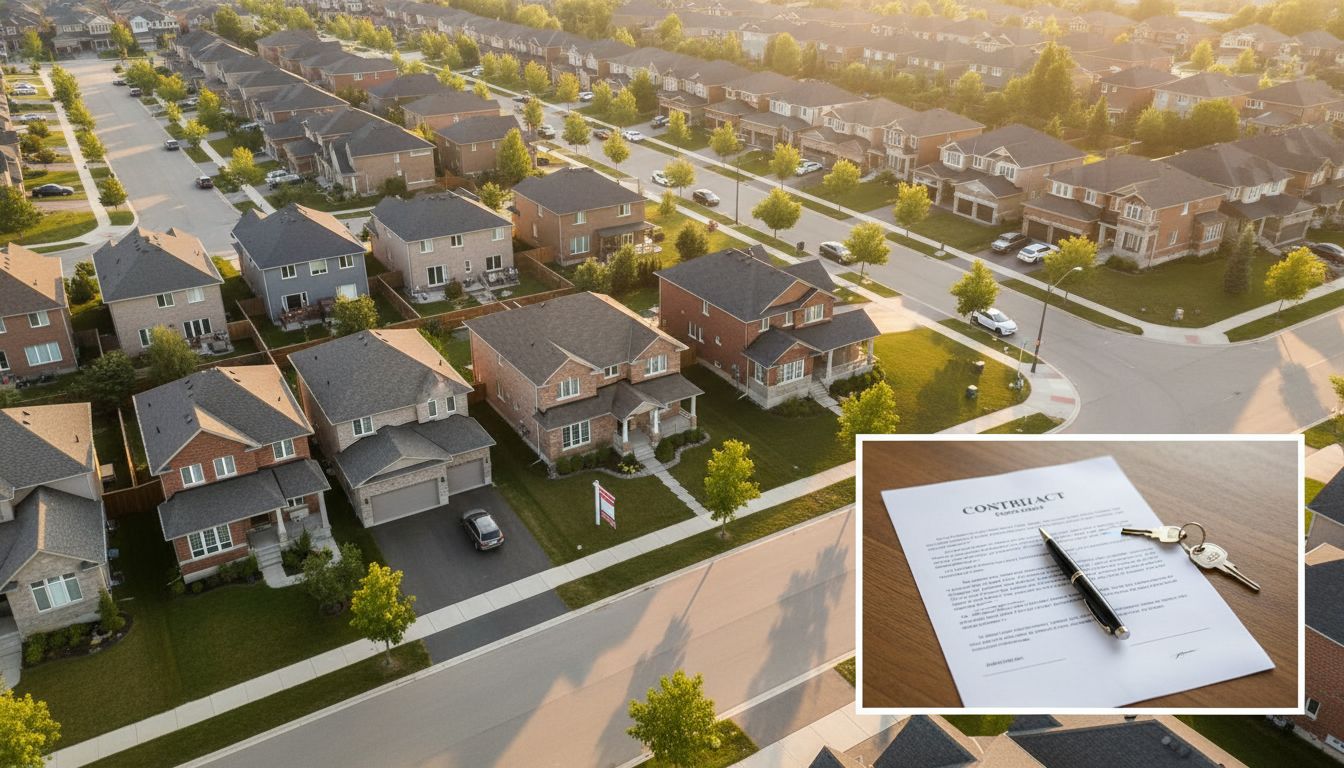
Why Georgetown sellers should care
Georgetown’s market moves fast. Buyers come out strong, then fall apart when financing or home inspections cause delays. If your accepted buyer walks, you could lose weeks or months while relisting. A backup offer gives you a ready replacement. That means fewer lost days, fewer showings, and far less stress.
Keywords: backup offer Georgetown, accept backup offer, Georgetown home sellers, offers and negotiation, real estate Georgetown ON.
When to accept a backup offer — practical signs
- The accepted offer has weak financing (low mortgage pre-approval or long financing condition).
- The deposit is small or refundable.
- The accepted buyer has multiple conditions with long deadlines.
- You still have demand — people want your home and new offers are coming.
- The accepted offer was rushed or from an inexperienced buyer.
If one or more of these apply, accept a backup offer. If the first offer is firm, with a solid deposit and a clean waiver of conditions, you probably don’t need a backup.
How to accept a backup offer — exact steps
- Keep everything transparent. Notify your listing agent and your solicitor. You must avoid misrepresentation.
- Make the backup offer a fully completed APS. Don’t leave vague language.
- Require a real deposit. This shows intent and reduces risk. Typical deposit on a backup can be equal to or slightly less than the primary deposit, but make it meaningful (e.g., 5% of purchase price or negotiated amount).
- Set clear deadlines. Define exactly when the backup automatically becomes firm if the first deal fails. Include steps for formal notice.
- Limit advertising and showings per the first APS. If the first buyer has exclusive possession, keep that in mind.
- Get legal review. Your lawyer or licensed salesperson must confirm the exact wording to avoid unintended obligations.
Draft clauses that protect you (examples you can discuss with your lawyer)
- “This Agreement is a back-up offer and shall only become of force and effect if the primary PSA dated [date] is terminated in accordance with its terms. Seller shall provide written notice to the Buyer and the Broker when such termination occurs.”
- “Deposit to be held in trust by [brokerage/lawyer] and applied only if this Agreement becomes firm.”
- “Buyer acknowledges this Agreement will not be subject to further negotiation until activated.”
These are starting points. Always get counsel to put the final language in place.

Using backup offers as negotiation leverage (do this right)
- Ask for a higher deposit from a backup buyer. That makes them serious and deters low-ball backup bids.
- Keep competing buyers informed. A smart backup buyer wants the deal; knowing they are in second position may prompt better terms.
- Use the backup to pressure the accepted buyer to remove conditions sooner. Politely inform their agent that solid backup offers exist. Often buyers tighten up to avoid losing the deal.
Be direct, not deceptive. Aggressive games risk legal trouble and hurt your reputation in the local market.
Common pitfalls and how to avoid them
- Accepting a backup but continuing to market the property publicly can breach the first APS. Check exclusivity clauses.
- Poorly worded backup agreements that inadvertently create dual obligations. Use clear “activation” language.
- Failing to secure a deposit. A backup without money is often worthless.
- Not documenting communication when the primary deal collapses. You need clear timestamps for activation and deposit handling.
What happens when the first deal falls through
- Confirm termination of the primary APS in writing. Your lawyer should get paperwork from the buyer’s lawyer confirming the sale is terminated and release of any deposit.
- Provide written notice to the backup buyer and their agent that their agreement is now active.
- Give the backup buyer their contract deadline to remove any conditions. Don’t let them stall.
- Apply the deposit per contract and proceed to closing once conditions are cleared.
Timing matters. Handle each step quickly to keep the sale on track.
Real examples from Georgetown (what I see every week)
- A seller accepted an offer with a 1% deposit and a long financing condition. I had two strong backup offers with firm deposits. Within three weeks the buyer’s financing fell through. We activated a backup and closed in 30 days. The seller avoided re-listing and gained leverage to ask for minor price improvements.
- Another seller accepted a buyer with no lawyer yet retained. Backup offers protected the seller when the buyer delayed paperwork. Quick activation kept the closing within the original timeframe.
These aren’t rare. They are routine if you have a smart agent and a clear backup plan.
Legal and ethical checklist for Georgetown sellers
- Consult a licensed real estate agent and a lawyer. Local rules and form wording can change outcomes.
- Disclose honestly. Don’t mislead the accepted buyer about showings, offers, or marketing.
- Keep records of all communications and dates. These protect you if disputes arise.
- Verify trust account procedures for deposits with your brokerage or lawyer.
If you want to skip risk, aim for firm offers. But when that’s not possible, a backup offer is the right tool.
Use this to win offers — quick tactical play
- When you receive an offer with conditions or a small deposit, ask your agent to get backup offers immediately.
- Require backup deposits and clear activation language.
- Use the existence of a backup to motivate the first buyer to remove conditions faster.
- If the first deal fails, activate the backup quickly, give firm deadline for condition removal, and close.
This simple sequence reduces downtime and avoids the cost and stress of relisting.
Closing pitch (direct, no fluff)
Backup offers are a tool. Used right, they protect your sale, raise your odds, and preserve leverage. Used poorly, they create legal risk. If you’re selling in Georgetown, ON and you want a clean, enforceable backup strategy that protects your timeline and your bottom line, work with a listing expert who handles backup offers every month.
Contact Tony Sousa to discuss your listing strategy for Georgetown. I’ll tell you straight: whether to accept a backup offer depends on the buyer strength, deposit size, and your timeline. Email: tony@sousasells.ca | Phone: 416-477-2620 | https://www.sousasells.ca
FAQ — Clear answers for Georgetown home sellers
Q: Is a backup offer legally binding in Ontario?
A: Yes, a properly drafted backup Agreement of Purchase and Sale is legally binding once signed by both parties — but it only becomes effective if the primary APS is terminated per its terms. Get a lawyer to confirm wording.
Q: Can I accept more than one backup offer?
A: You can, but it’s messy. Multiple backups create confusion and increased legal risk. It’s better to keep one solid backup with a meaningful deposit.
Q: Do backup buyers need to give a deposit?
A: Yes. A deposit proves intent. Without a deposit, your backup offer may be worthless and hard to enforce.
Q: Does the seller have to keep showing the house after accepting an offer?
A: It depends on the primary APS. If the contract grants exclusive possession to the buyer, you must comply. If not, and the buyer agrees, you can continue limited showings. Check your contract and get advice.
Q: What should the deposit amount be for a backup offer in Georgetown?
A: There’s no fixed rule. Many sellers ask for a deposit equal to the primary buyer’s deposit or at least 3–5% of the purchase price. Bigger deposits increase seriousness.
Q: How fast can a backup become active?
A: As soon as the primary APS is formally terminated and you provide written notice. The backup can include a specific timeline for condition removal (e.g., 48–72 hours) to avoid delays.
Q: Should I accept a backup if my accepted buyer has a firm, clean offer?
A: No. If the accepted offer is firm, clean, and backed by a solid deposit, a backup is unnecessary and could complicate matters.
Q: Who holds the deposit for a backup offer?
A: Typically, the deposit is held in trust by the seller’s brokerage or the buyer’s lawyer, per the backup agreement terms.
Q: Can I use a backup to negotiate better terms with the accepted buyer?
A: Yes. The presence of a credible backup can motivate the primary buyer to remove conditions or firm up terms faster. Use this leverage professionally.
If you’re selling in Georgetown and want a clear backup strategy tailored to your timeline and risk tolerance, reach out. Email tony@sousasells.ca or call 416-477-2620. Visit https://www.sousasells.ca for more resources.