How do I find safe neighborhoods in Ontario?
Want to move to a neighborhood where you sleep easy and your home sells for top dollar? Here’s the exact, no-fluff method to find safe neighbourhoods in Ontario — focused on Georgetown, ON.
Why safety matters for home sellers in Georgetown
Buyers pay for certainty. When a neighbourhood looks safe, houses sell faster and for more. When it doesn’t, buyers discount the price, make long conditional offers, or walk away.
If you’re selling in Georgetown, safety equals value. Georgetown buyers want good schools, low crime, transit access, and clean streets. Show them those facts and you get higher offers.
Local proof matters: use neighbourhood-level data
Stop guessing. Use hard data that buyers trust.
- Halton Regional Police Service crime reports and maps — local, up-to-date crime numbers for Halton Hills and Georgetown.
- Statistics Canada neighbourhood profiles — population, density, age mix, household income, and trends that buyers care about.
- Halton Hills municipal plans and community profiles — future investments shift safety and demand.
- Transit and infrastructure data — proximity to Georgetown GO Station and local transit reduces isolation and raises perceived safety.
Use these sources in your listing, open house handouts, and online copy. Numbers beat opinions.

A simple, repeatable 6-step process to find safe neighbourhoods (and show them to buyers)
- Check crime rates by street and month
- Pull Halton Regional Police crime mapping for the last 12–36 months.
- Look for patterns, not single events. A spike from one year doesn’t define a neighbourhood.
- Validate with Census data (population, family size, income)
- Stable, growing neighbourhoods with families and steady incomes tend to have lower property crime.
- Use 2016 and 2021 Census snapshots to show trends.
- Walk the area at different times
- Visit morning, afternoon, and night. Note lighting, foot traffic, and how maintained properties are.
- Talk to local business owners and the library or community centre staff. Qualitative checks matter.
- Check schools, parks, and amenities
- Good schools and active parks increase foot traffic and community watchfulness.
- Use Walk Score and local school ratings to quantify nearby amenities.
- Look at municipal investment and development plans
- Town investments in lighting, sidewalks, community policing, and park upgrades reduce crime and attract buyers.
- Future developments can change safety and resale value. Use Halton Hills planning documents to anticipate changes.
- Compare resale performance and days on market (DOM)
- Pull MLS data for similar homes in different parts of Georgetown. Faster sales and smaller price drops indicate perceived safety.
Do this process and you’ll have a defensible safety story for buyers.
What buyers in Georgetown are actually checking — and how to beat them
Buyers look for three signals: data, feel, and social proof. Win on all three.
- Data: Provide crime stats, school info, and transit distance in the listing.
- Feel: Stage the property to highlight safety — good exterior lighting, secure doors, visible neighbours’ upkeep.
- Social proof: Include quotes from neighbours, local business owners, or community leaders about the area.
When you present all three, buyers believe the safety case and pay more.
How to present safety in your listing and marketing (exact language to use)
Use short, verifiable facts. Example lines you can add to listings and brochures:
- “Within a 5-minute walk of Georgetown GO Station and downtown shops — low traffic and active community policing.”
- “Halton Regional Police crime rate below regional average (source: HRPS crime map, last 12 months).”
- “Parks and elementary schools within a 10-minute walk — strong family presence and regular community events.”
Avoid vague claims. Always link to your source or include a single-line citation.
Quick fixes to raise perceived safety before a sale
Don’t over-renovate. Focus on high-ROI safety touches:
- Bright, LED exterior lighting and motion sensors.
- Visible address numbers and a tidy front yard.
- New deadbolts and a smart doorbell camera (buyers notice modern security tech).
- Remove graffiti, trim hedges that obstruct views, and repair broken fences.
These make buyers feel safer and sell faster.
Georgetown-specific tips sellers need to know
- Use the Georgetown GO Station proximity as a safety + convenience benefit. Transit-connected neighbourhoods show constant activity.
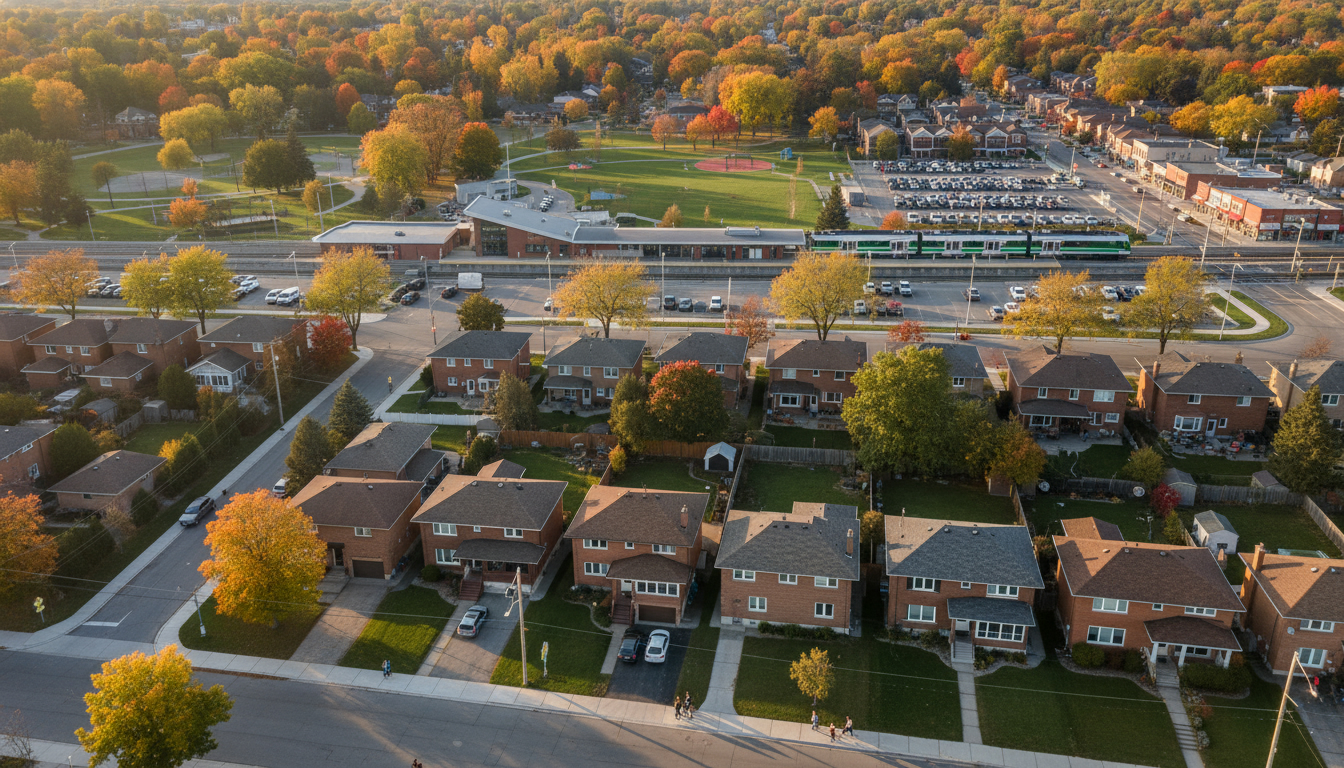
- Downtown Georgetown has walkable streets, local shops, and community policing. Highlight those in copy and staging.
- Rural fringes may offer quiet living but require different safety positioning — emphasize community networks and private security measures.
- Pull MLS comparables from the last 6–12 months in the exact pocket of Georgetown you’re selling in. Micro-markets matter.
How safety affects price — the math sellers need
A 5–10% perceived safety advantage can translate to thousands on the sale price. Here’s how to think about it:
- Two similar homes, one in a ‘perceived safer’ pocket, one in a ‘neutral’ pocket. The safer listing attracts more showings, multiple offers, and a smaller concession rate.
- Fewer contingencies and faster closings reduce carrying costs and increase seller net.
If you want numbers for your home, run a targeted CMA (comparative market analysis) that isolates crime, school proximity, and DOM by micro-neighbourhood. A local agent does this fast.
What to avoid when selling on safety
- Don’t overpromise. Don’t claim a neighbourhood is crime-free.
- Don’t ignore bad data. If a pattern shows up, address it with facts and remedial actions you’ve taken.
- Don’t hide negatives in long paragraphs. Transparency builds trust and keeps buyers engaged.
Why a local real estate expert matters
Online tools help, but a local realtor knows the nuance. They know:
- Which streets are quiet vs. cut-through.
- Which blocks have active community groups and watch programs.
- How recent municipal investments will impact safety and demand.
A local agent turns data into a compelling story buyers trust.
Final checklist for Georgetown home sellers
- Pull HRPS crime map for last 12 months.
- Pull 2021 Census neighbourhood profile for your census tract.
- Get MLS comparables for your specific pocket of Georgetown (last 6–12 months).
- Make three low-cost safety upgrades: lighting, visible house numbers, security camera.
- Include transit, schools, and community stats in listing copy with citations.
Act on this checklist and you’ll eliminate buyer hesitation and sell smarter.
FAQ — concise answers for sellers in Georgetown
Q: Is Georgetown safe?
A: Yes. Georgetown generally has lower violent crime rates than many larger urban centres. Evaluate specific pockets using Halton Regional Police data and local MLS performance.
Q: Where do I find official crime stats?
A: Start with the Halton Regional Police Service crime maps and reports. Supplement with Statistics Canada data for neighbourhood context.
Q: Will safety affect my home price?
A: Yes. Perception of safety directly affects buyer demand, which impacts sale price and days on market.
Q: Can I improve perceived safety quickly?
A: Yes. Improve lighting, clear sightlines, install a smart doorbell camera, and tidy the front yard. These changes help instantly.
Q: Should I mention crime stats in my listing?
A: Use positive, verifiable facts (e.g., proximity to GO station, below-average local crime rate). Avoid negative framing.
Q: How do I compare pockets inside Georgetown?
A: Use HRPS crime maps, local MLS comparables, and visit in person at different times. Ask your local agent for a micro-market CMA.
Q: Do schools matter for safety?
A: Yes. Active schools increase foot traffic and community oversight, which correlates with lower property crime.
Q: Do municipal plans affect safety?
A: Yes. New street lighting, park investments, and policing programs make neighbourhoods safer and more desirable.
If you’re ready to get a precise safety analysis and a focused selling plan for your Georgetown home, call or email for a free local market review. I’ll pull crime maps, census data, and MLS comparables so you can price confidently and attract the right buyers.
Contact: Tony Sousa, Local Realtor — tony@sousasells.ca | 416-477-2620 | https://www.sousasells.ca