Should I leave valuables at home?
Should you leave valuables at home while selling your Georgetown house? Don’t. Read this and act.
Why this matters when selling while living in the home
Selling while living in the home in Georgetown, ON, adds complexity. Buyers want to picture themselves living in the space. That means frequent showings, open houses and sometimes unsupervised visits. Leaving valuables at home during that process creates three problems:
- Risk of theft or damage during showings.
- A cluttered or personalized space that distracts buyers.
- Liability and insurance gaps if something goes missing.
If you want a faster sale and the highest price, you must treat showings like a business transaction. Protect your assets and stage the house to sell.
The direct case against leaving valuables at home
Be blunt. Every time your house opens to potential buyers you expose your property. Even trusted neighbours can’t guarantee each visitor is risk-free. Valuable items — jewelry, cash, high-end electronics, collectibles, sensitive documents — are small, portable, and easy to take.
Consider these realities sellers in Georgetown face:
- Many buyers commute from Toronto and work long hours; showings happen at unpredictable times, sometimes unsupervised.
- Open houses draw larger crowds; you can’t watch everything at once.
- Home staging and photography expose rooms for wide audiences online. Photos live forever.
Remove the temptation. Simple steps minimize risk and improve buyer perception.
What counts as a “valuable” — make a smart list
Not everything is an obvious target. Make a quick inventory and categorize items:
- High priority (remove): cash, jewelry, firearms, passports, rare coins, designer bags, portable hard drives with personal data.
- Medium priority (consider off-site or locked): small electronics (laptops, tablets), prescription drugs, expensive watches, collectible figurines.
- Low priority (safe to leave if well-staged): large furniture, built-in appliances, plants, non-personal décor.
If you’re unsure, err on the side of removing it.
Practical steps for Georgetown home sellers — a clear playbook
Use this checklist. It’s practical, fast, and protects your position while you sell your home.
- Create an inventory. Photograph valuables and keep a digital copy off-site. Note serial numbers where possible.
- Use temporary storage. Short-term storage units or secure lockers work well. Book in advance for peak market periods.
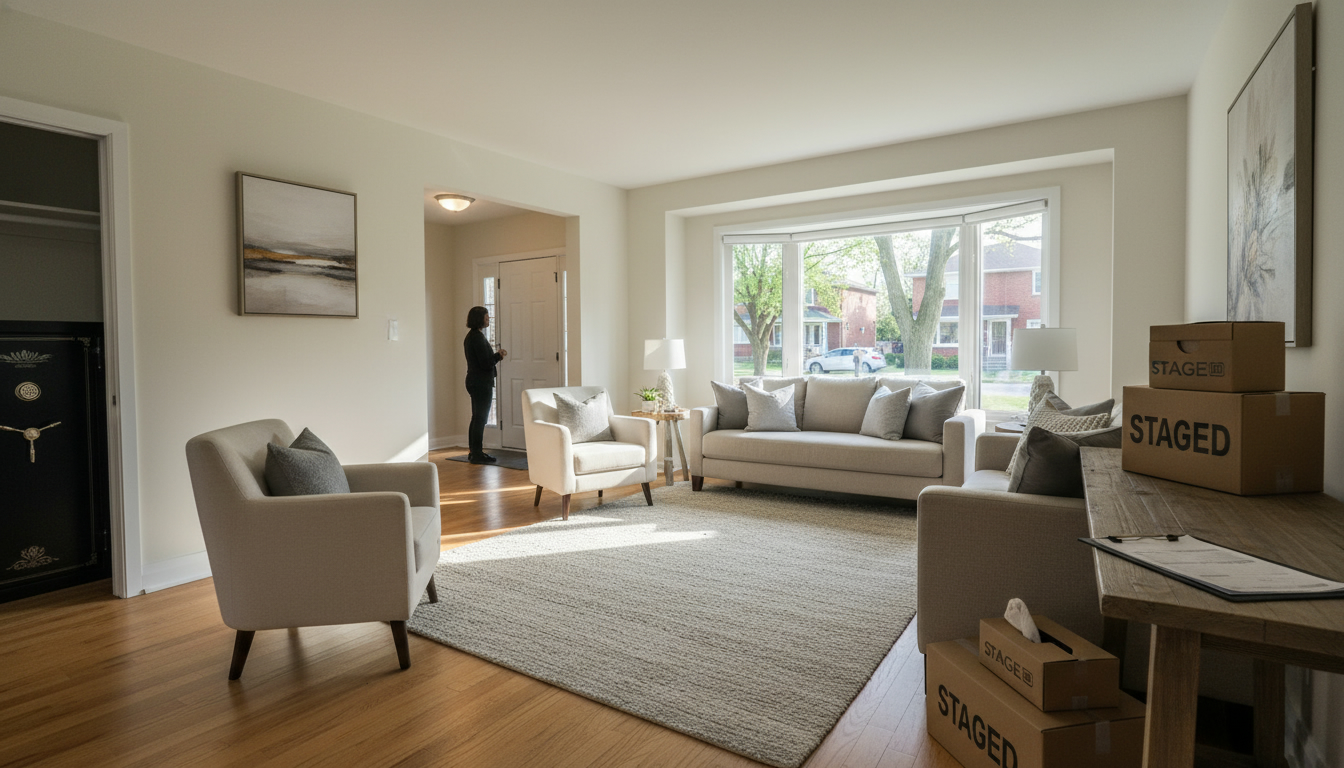
- Lock it up. If you must keep items at home, use a quality safe bolted to the floor or a locked bedroom.
- Remove personal items for photos. Before listing photos are taken, remove family photos, diplomas, expensive décor and small valuables.
- Supervise open houses. Attend when possible or insist on a realtor you trust to be present. If the market requires multiple open houses, rotate attendance or hire security.
- Limit unsupervised access. Offer appointment-only showings. Screen requests through your agent to reduce random foot traffic.
- Check insurance. Call your provider to confirm coverage during showings and moving. Make sure high-value items are insured or moved to a safe deposit box.
- Keep documentation handy. Retain receipts and appraisals for valuable items removed. This helps with insurance claims and taxes.
These steps cost time and a little money. The upside is a smoother sale and reduced risk of loss.
Staging wins: removing valuables increases sale price
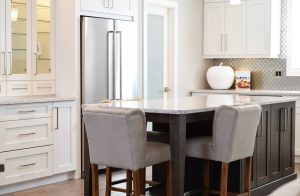
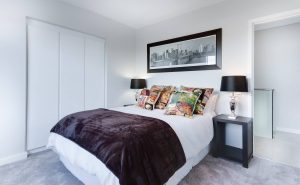
Buyers buy feelings. A home that looks uncluttered and neutral sells faster and often for more. Personal valuables can distract buyers in two ways:
- They reveal taste and lifestyle, making it harder for buyers to imagine themselves in the home.
- They create visual clutter that reduces perceived space and flow.
Neutral, clean, and secure spaces convert better. When buyers feel safe, they stay longer in a showing and form stronger emotional connections. That translates to offers.
Local market notes for Georgetown, Ontario sellers
Georgetown is a commuter town with strong demand from buyers priced out of core Toronto. Recent trends show buyers in this market want move-in-ready properties. Show-ready homes with minimal personalization get the most attention.
What this means for you:
- Buyers will tour multiple homes in a single weekend. First impressions matter.
- Listing photos are often the first—and sometimes only—chance to sell the property’s benefits. Visible valuables or personal collections distract online viewers.
- Weekend open houses attract both serious buyers and curious visitors. Expect higher foot traffic than in a strictly appointment-based market.
Adapt your strategy: limit personal items, secure valuables, and set showings by appointment when possible.
Security options that work in Georgetown
- Short-term self-storage: Many units offer daily access. Place high-value but non-essential items there during the listing period.
- Bank safe deposit boxes: Best for jewelry, passports, and small irreplaceables.
- Professional movers: Hire movers to pack and store certain items in advance so the home looks staged and decluttered.
- Home safes and lockboxes: Good backup but don’t rely on a small cheap safe. Use a high-quality safe and bolt it down.
- Smart locks and temporary codes: Give access to trusted agents with a temporary code. Change codes after each showing if possible.
How to talk to buyers and your agent about valuables
Set expectations. Tell your agent which rooms or areas are off-limits. Post clear but polite signs in areas you prefer to be closed during showings. Communicate with buyers: their agent should ask about access before entering private rooms.
Your agent should:
- Vet potential buyers when possible.
- Supervise open houses or arrange for a professional host.
- Advise on staging that removes valuables and personal items.
If your agent isn’t taking these precautions, get another agent. You’re protecting your property and the sale.
Cost vs reward — a clear ROI
Protecting valuables costs money: storage, safes, or hired presence. But compare that to the cost of losing a family heirloom or facing an insurance claim. Also compare it to lost offers when buyers feel unsettled by a cluttered, personalized space.
The math is simple: a few hundred dollars in storage and staging can increase net proceeds by thousands through faster sale and stronger offers.
Quick timeline for removal when listing
- Two weeks before listing: Inventory valuables and book storage if needed. Start removing small personal items.
- Photography day: Ensure all valuables, family photos and personal documents are out of sight.
- During market: Keep secured or off-site anything of value. Attend or supervise open houses.
- Before closing/moving: Move remaining items gradually. Keep a backup copy of important documents.

Common mistakes sellers make
- Leaving passports, IDs or cash in obvious places.
- Relying on cheap locks or hidden spots (false security).
- Forgetting to check insurance or notifying the insurer of heightened showing activity.
- Waiting until the last minute to remove valuables before a showing.
Avoid these and you’ll reduce stress and risk.
Closing argument — protect what matters and sell faster
Selling while living in the home is possible and profitable. But it’s not casual. Treat the process like a business. Remove valuables, stage the home, and control access. That creates a professional presentation, reduces theft risk, and improves buyer confidence.
If you’re selling in Georgetown, ON, these practical moves matter more than ever. The local market rewards staged, secure, and neutral homes.
For a fast, efficient sale and detailed local strategy, contact an experienced Georgetown realtor who understands staging and security. You’ll get an actionable plan: what to remove, where to store it, and how to handle showings.
Contact: tony@sousasells.ca | 416-477-2620 | https://www.sousasells.ca
FAQ — Selling While Living in the Home: Should I Leave Valuables at Home?
Q: Are valuables covered by homeowner’s insurance during showings?
A: Standard policies may cover theft, but coverage limits and conditions vary. Call your insurer before listing. High-value items often need separate floater coverage or documentation.
Q: What should I do with jewelry and family heirlooms?
A: Move them to a bank safe deposit box or secure off-site storage. Photograph them and keep receipts for insurance.
Q: How do I prevent theft during an open house?
A: Supervise the event, limit access to private rooms, and request ID from attendees if appropriate. Use a realtor to qualify visitors.
Q: Can I leave large furniture and still stage effectively?
A: Yes. Large, neutral furniture is fine. Remove personal décor, photos, and small valuables that distract buyers.
Q: Is it safe to keep expensive electronics in the home?
A: Remove laptops and small devices. If you must leave TVs or built-ins, ensure serial numbers and documentation are recorded.
Q: Will removing valuables hurt my everyday life during showings?
A: It’s temporary and manageable. Use short-term storage or stagger removals. The time invested improves sale outcomes.
Q: What if I can’t attend every showing?
A: Require agent-supervised showings, or set specific appointment windows. Change lockbox codes regularly and use a trusted realtor.
Q: How much will short-term storage cost in Georgetown?
A: Costs vary. Expect reasonable monthly rates for small units. Compare prices and book in high-demand seasons early.
Q: Who pays for storage—seller or buyer?
A: The seller pays for storage during listing. It’s a selling expense that can help secure a better price.
Q: What’s the simplest thing to do today?
A: Photograph valuables, move the most portable items off-site, and tell your agent which rooms are off-limits. That immediate action reduces risk.
If you want a tailored plan for your property in Georgetown, reach out: tony@sousasells.ca | 416-477-2620 | https://www.sousasells.ca