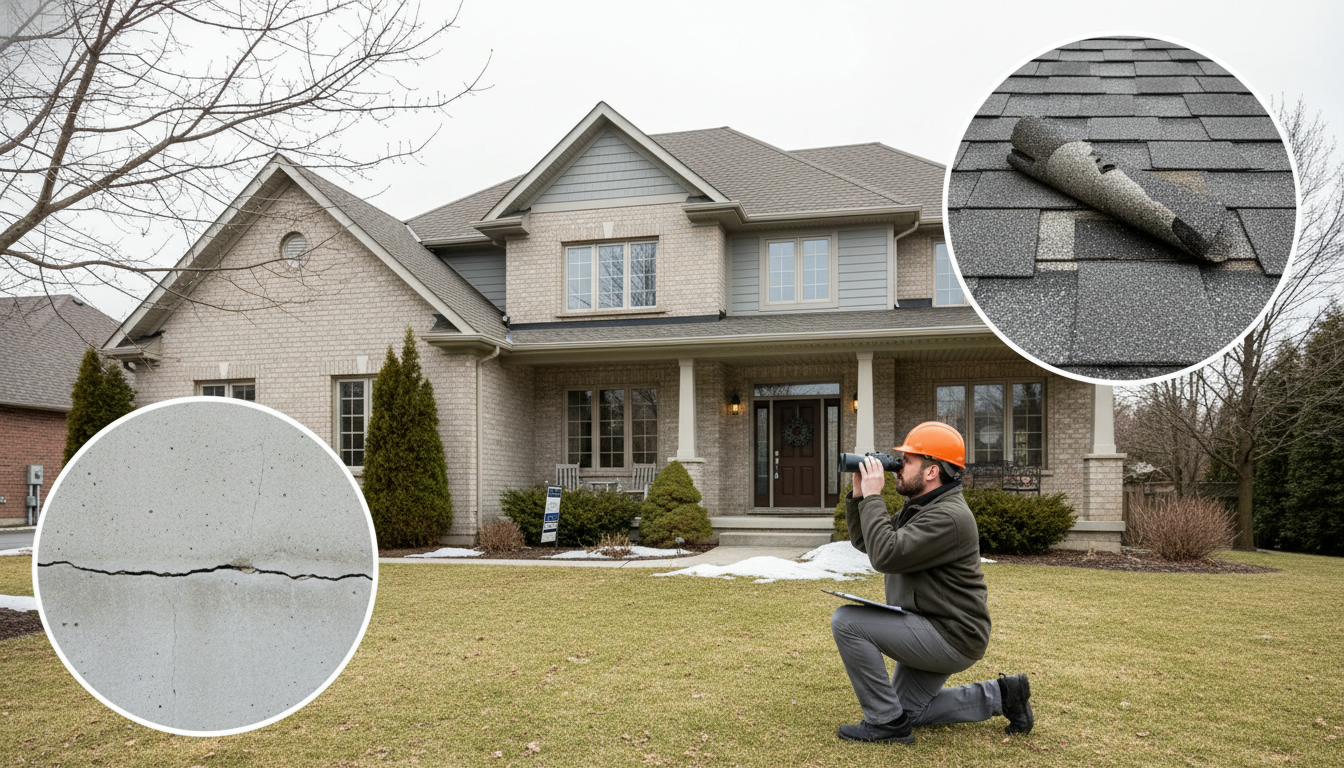
Should I check the roof and foundation myself?
Clickbait title options
- Don’t Climb That Ladder: What Sellers Need to Know Before Inspecting the Roof and Foundation
- One Mistake That Can Kill Your Sale: DIY Roof & Foundation Checks You Shouldn’t Do
- Skip the Ladder, Save Your Sale: Smart Roof and Foundation Moves for Georgetown Sellers
- Exposed: The DIY Inspection Traps That Lose Sellers Thousands in Georgetown
Rewritten question (short, punchy): Don’t risk the sale—should you check the roof and foundation yourself or call a pro?
Why this matters right now for Georgetown home sellers
You want one thing: sell your home fast for the highest price with no nasty surprises at closing. The roof and foundation are the two biggest trust-killers in a sale. Buyers see roof stains, cracked foundations, or water in the basement and they do one of three things: walk away, ask for a massive price cut, or demand repairs before closing.
Georgetown, Ontario has cold winters, freeze-thaw cycles, heavy snow loads and spring melt. That climate amplifies small problems into expensive repairs. Inspecting those components wrong, or missing something, costs time and money. It can cost your sale.
This post gives direct, actionable advice: what you can safely check, what you must not risk, how a pre-listing inspection gives you leverage, and when to call a licensed pro.
Quick headline facts (what you need to remember)
- Roof and foundation issues are the top causes of buyer renegotiation. Protect your price.
- You can do basic, safe checks from the ground and the attic. Avoid climbing ladders alone.
- Hire a certified home inspector, roofer, or structural engineer for anything you can’t confirm visually.
- A pre-listing inspection in Georgetown often pays for itself by shortening time on market and reducing negotiation exposure.
What you can check yourself — safely and smartly
Do these before you list. They’re low-cost, low-risk, and give you useful answers.
- Walk the perimeter and check grading. Soil should slope away from the foundation 6″ in the first metre. Poor grading = water near foundation.
- Inspect gutters and downspouts. Look for gaps, clogs, or downspouts that dump water at the foundation. Clean gutters and direct downspouts away from the house.
- Look for visible foundation cracks from the outside. Thin hairline cracks are different from large horizontal or stair-step cracks. Photograph and measure any crack wider than 3 mm.
- Check basement and crawl space for moisture, musty smell, efflorescence (white salts), or visible mold. Take photos.
- From inside the attic, look at roof sheathing, rafters and insulation. Check for water stains, daylight through the roof, and ice dam signs. Don’t climb on the roof unless you’re trained.
- Scan shingles from ground level with binoculars. Look for missing shingles, exposed underlayment, curled edges, or large moss/lichen patches.
These checks tell you whether to call a pro. They don’t replace a certified inspection.
What you should never do yourself
- Don’t climb on a steep roof. Falls are a major risk. Ladders and icy shingles are a dangerous combination.
- Don’t poke at foundation cracks or try DIY structural fixes without an engineer’s advice.
- Don’t attempt to judge structural movement from one quick look. Settling vs. active movement requires expertise and monitoring.
If you find worrying signs, stop. Call a certified home inspector or a licensed structural engineer.
Why homeowner checks alone are risky in Georgetown’s climate
Georgetown’s winter freeze-thaw cycles create expansion and contraction in both roofing materials and foundation soil. Asphalt shingles can split; freeze-thaw opens small foundation cracks wider. Old freeze-thaw hairline cracks appear harmless from summer but will leak after a January thaw.
Snow loads and ice dams add weight and trap water under shingles. A short visual check in summer won’t reveal winter-specific damage. That’s why pre-listing inspections timed correctly are powerful: they reveal seasonal risks and let you fix or disclose them before buyers use them against you.
The leverage of a pre-listing inspection (how it protects your sale)
Book a professional inspection before you list. Here’s what it does for you:
- Removes buyer uncertainty. Buyers trust verified facts. A professional inspection that reports the roof and foundation are sound reduces lowball offers.
- Lets you control the repair timeline. Fix small items on your terms rather than negotiate under pressure.
- Improves marketing. “Pre-inspected” or “Certified condition” in your listing attracts qualified buyers and shortens time on market.
- Protects you from surprise demands at closing. Buyers can still get their own inspection, but you’ve already shown good faith.
In short: the small upfront cost reduces negotiation risk and speeds the sale.

Who to call and when: smart escalation steps
1) Local certified home inspector — first step. They give a full report and tell you if problems are cosmetic or structural. Cost: typically $350–$700 in the Greater Toronto Area.
2) Licensed roofer — if the inspector flags roofing issues. A roofer provides repair estimates and warranty options. Ask for references, written quotes, and proof of insurance.
3) Structural engineer — if foundation movement, large cracks, or structural compromise is suspected. Engineers give a diagnostic report and required remediation actions. Their reports carry weight with buyers and lenders.
4) Foundation contractor — for repair quotes and schedules, after getting an engineer’s recommendation.
Escalate in that order. Don’t skip the home inspector; they act as your first filter.
Cost vs. benefit: numbers that matter
- Pre-listing home inspection: $350–$700. Benefit: fewer surprises, more buyer confidence, faster sale.
- Certified roof inspection / roofer estimate: $150–$400 (visual plus drone in some cases). Benefit: exact repair costs to disclose or fix.
- Structural engineer: $800–$2,000 depending on complexity. Benefit: authoritative report buyers and lenders accept.
- Foundation repairs: small repairs a few thousand; structural fixes can exceed $20,000. Getting clarity before listing avoids last-minute panic.
A single last-minute $20,000 repair demand or purchase collapse will cost you more in stress, time, and lost negotiating leverage than a small inspection fee.
How to use inspection results to win offers
- List with the inspector’s executive summary in the marketing pack. Use it as proof that you’re transparent.
- If repairs are minor, make them and show the paid invoices. Buyers like clean, fixed items.
- If repairs are major but you don’t want to fix, show the engineer’s report and offer a credit or price adjustment with documented estimates. Buyers appreciate data-backed solutions.
Buyers negotiate from fear. Give them facts. Facts win deals.
Local tips for Georgetown, Ontario sellers
- Time your inspection: late spring or early fall shows seasonal issues but avoids the extreme risks of winter. However, if you’re selling in winter, a professional winter inspection may be required to reveal ice-dam risks.
- Check local bylaws and permit history for prior roof or foundation work. Unpermitted structural changes can scare buyers and harm financing.
- Know the school districts and market demand. Georgetown buyers often pay a premium for move-in-ready homes. Remove friction with a pre-listing inspection.

The simplest decision framework
- If you’re comfortable with a quick, safe exterior and attic check, do it. Use that info to decide if you need a pro.
- If you find anything beyond small cosmetic wear, stop. Call a certified home inspector.
- If the inspector flags structural concerns, hire an engineer. Never try to “cover up” a foundation or roof problem. Disclosure and documented fixes protect you.
Real, direct advice from your local realtor
Listing a home in Georgetown means dealing with a market that rewards certainty. Buyers here respond to transparency. The fastest path to a high-value sale is to find issues early and show you solved them. A pre-listing inspection is not an expense — it’s insurance that protects your asking price and your timeline.
If you want a straightforward evaluation and a plan that protects your sale, call me. I’ll connect you with certified local inspectors, reputable roofers and engineers who know Georgetown’s climate and building patterns.
Contact: Tony Sousa — tony@sousasells.ca | 416-477-2620 | https://www.sousasells.ca
FAQ — What Georgetown sellers ask about roof and foundation checks
Q: Can I climb on the roof to inspect it myself?
A: No. It’s dangerous. Use binoculars from the ground and inspect the attic from inside. If you have any doubt, hire a pro.
Q: How bad is a hairline foundation crack?
A: Many hairline cracks are cosmetic. Measure width and document it. If it’s under 3 mm and not widening, it may be non-structural. An inspector can confirm.
Q: Will a pre-listing inspection scare buyers when they see issues?
A: No. Transparency builds trust. Buyers prefer sellers who disclose and address issues. A report with recommended fixes and quotes reassures buyers.
Q: Do I have to disclose foundation or roof issues in Ontario?
A: Sellers must disclose known latent defects and material facts. Don’t guess. Get a professional report and disclose accurately. Consult your lawyer or agent if unsure.
Q: How long does a roof or foundation inspection take?
A: A typical home inspection is 2–3 hours. A focused roof inspection or foundation evaluation might be shorter, but an engineer’s visit varies by complexity.
Q: If the inspector finds problems, do I have to fix them before listing?
A: No, but fixing minor issues or providing documented options gives you pricing power. If there are major structural problems, buyers or lenders may require remediation.
Q: How much should I budget for repairs?
A: Small roof repairs or gutter work: $200–$2,000. Moderate roof replacement: $5,000–$12,000+ depending on size and materials. Foundation repairs range widely; get estimates from qualified contractors after an engineer’s assessment.
Q: Can I sell “as is” and avoid fixing issues?
A: You can, but price accordingly and disclose known defects. “As is” limits your buyer pool and often reduces sale price.
Q: Who pays for the buyer’s inspection?
A: Buyers usually pay for their inspection. A pre-listing inspection is paid by the seller and often reduces friction.
Q: How do I find a qualified home inspector or engineer in Georgetown?
A: Ask your realtor for local references. Choose licensed, insured professionals with solid reviews and clear written reports.
If you want a straightforward plan to protect your price and close faster in Georgetown, call or email now. I’ll walk you through the inspection options, connect you with trusted local pros, and give you a market-based strategy to sell with confidence.
Contact: Tony Sousa — tony@sousasells.ca | 416-477-2620 | https://www.sousasells.ca