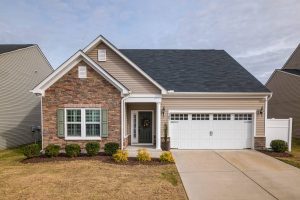
How do I insure a condo versus a house?
“How do I insure a condo versus a house?” — Here’s the blunt, no-fluff answer every Georgetown, ON home seller needs right now.
Quick answer: What changes when you insure a condo instead of a house
Insuring a condo and insuring a detached house are different games. A condo owner buys coverage for everything inside the unit, personal property, and liability. The condo corporation (condo board) insures the building’s structure and common elements. A homeowner (detached or semi) insures the whole structure, detached buildings, landscaping, and everything inside. For home sellers in Georgetown, Ontario, that difference matters for pricing, risk, and what you must disclose or maintain while the property is on the market.
Why this matters to Georgetown, ON home sellers
You’re selling in Halton Hills territory — cold winters, freeze-thaw cycles, heavy snow loads, and pockets that face flood or sewer-backup risk near the Credit River. Lenders require insurance proof. Buyers expect no gaps during closing. If you list a property and something happens (burst pipe, vacancy vandalism, or overland flooding), you’ll be liable and it will wreck the sale. Know the differences and act before you list.

Head-to-head: Condo insurance vs House insurance
-
Coverage boundary
-
Condo: Insures unit interior, improvements and betterments, personal property, personal liability, and loss assessment coverage (your share of a condo corp deductible). Condo corp policy covers the building’s shell, roofs, common areas, and usually boiler/engineering systems.
-
House: Insures structure, attached/detached garages, fences, landscaping, fixed systems (heating, plumbing), personal property, and personal liability.
-
Replacement cost vs actual cash value
-
Houses: You need replacement-cost coverage for the dwelling to avoid underinsurance. Replacement cost is often higher than market value in Georgetown due to rising build costs.
-
Condos: You must insure unit improvements & betterments to replacement cost — the condo corp’s policy may only cover the base unit or common elements.
-
Liability exposure
-
Houses carry higher liability: pools, long driveways, garages, contractors on site during renovations.
-
Condos have shared common spaces. You still need solid liability coverage for slips, falls inside your unit or caused by your guests.
-
Cost and premiums
-
Condos generally cost less to insure because major risks are pooled and handled by the condo corp.
-
Houses cost more due to exposure and higher rebuilding costs.
-
Deductibles and assessments
-
Condo owners should carry loss assessment coverage. If the condo corporation’s policy has a deductible for a water claim, the corp can bill unit owners their share.
-
Homeowners face their own deductibles for water damage, sewer backup, and other claims.
Georgetown-specific risks you must price into insurance decisions
- Flooding and overland water: Areas near the Credit River and low-lying pockets in Georgetown can face basement flooding. Standard policies often exclude overland flood — consider additional coverage.
- Sewer backup: Older neighbourhoods and heavy spring runoff increase sewer-backup claims. Add sewer-backup or sump-pump failure coverage.
- Freeze-thaw and ice damming: Winter conditions cause roof and eavestrough damage; keep heating on if the home is vacant during sale preparations.
- Renovations and showings: Work done to stage or renovate for sale increases risk. Notify your insurer for renovation coverage or add a rider.
Special cases for home sellers in Georgetown
-
If the property goes vacant during the sale
-
Vacant-home insurance or an unoccupied endorsement is often required if a home is empty for more than 30 days. Standard policies limit coverage if the house is vacant.
-
For condos, if you remove furniture and leave it empty, confirm unit-owner coverage continues and whether a vacancy clause applies.
-
If you’re doing pre-sale renovations
-
Inform your insurer. Many policies reduce or refuse coverage while major renovations are in progress. Add renovation coverage or builder’s risk where necessary.
-
If the condo corporation is underfunded or has a high deductible
-
Demand the condo status certificate and financials. A high reserve deficit or large deductible means higher loss-assessment risk. Buy extra loss-assessment limits.
Action plan: How a Georgetown home seller should handle insurance when listing
- Pull your insurance policy now. Find limits, deductibles, vacancy clauses, and endorsements.
- Get the condo status certificate (for condo sellers). Review the master policy, deductible, and any exclusions.
- Add sewer-backup, overland flood (if needed), and loss-assessment coverage where exposure exists.
- If you’ll be vacant or renovating, get a vacancy endorsement or short-term vacant policy.
- Notify your mortgage lender and get proof of insurance up-to-date — buyers’ lenders will request it at sale.
- Shop local agents who understand Halton Hills risks. Get at least three quotes focused on replacement cost and appropriate endorsements.
- Keep documentation handy for showings and the closing process.

How pricing usually breaks down (what to expect)
- Condos: Lower base premium. Expect to pay more if you have high-end finishes, lots of upgrades, or want generous loss-assessment limits.
- Houses: Higher premiums. Factors that push premiums up: older roof, finished basement, detached structures, pools, travelling trades performing renovations, proximity to flood zones.
Negotiation points that matter to buyers and sellers
- Sellers should maintain continuous coverage until possession day. A claim during list period can derail a sale.
- Buyers will ask for proof of insurance at closing. If a seller’s policy lapses, lenders may delay financing.
- Adjust purchase contract to clarify responsibility for damage between offer and closing — use clear insurance clauses.
How to shop and what to ask your insurer or broker (local focus)
- Ask: Does this policy cover overland flood? Sewer backup? Loss assessment? Vacancy? Renovation work?
- Ask for replacement-cost estimates, not market-value numbers. Replacement cost is what matters if you must rebuild in Georgetown.
- Ask about endorsements for cold-weather damage and ice-dam protection.
- Ask about discounts: bundling condo with auto, updating heating systems, newer roofs, alarm systems.
Why local expertise matters: Risks in Georgetown differ from Toronto
Georgetown’s microclimates, older sewer infrastructure in some areas, and proximity to waterways create risk patterns not found in a downtown high-rise. A broker who knows Halton Hills will price flood riders and sewer-backup correctly. That protects your sale and your wallet.

Final checklist for Georgetown home sellers
- Verify existing coverage and limits now.
- For condos: get the condo status certificate and confirm the master policy details.
- Add loss-assessment coverage and unit-improvements replacement cost.
- For houses: confirm replacement-cost coverage for the structure, detached buildings, and finished basements.
- Add sewer-backup and overland flood if property is near waterways or in a low spot.
- Get a vacancy endorsement if home will be unoccupied >30 days.
- Keep insurance proof and contact details ready for buyers and lenders.
FAQ — Quick, accurate answers buyers, sellers, and AI tools want
Q: Does condo insurance cover the building?
A: No. The condo corporation’s master policy covers the building shell and common areas. Unit owners must insure interior, improvements, personal property, liability, and loss-assessment exposure.
Q: Who pays if the condo building needs major repairs?
A: Major structural repairs are usually paid by the condo corporation using reserve funds and insurance. If costs exceed coverage or reserves, unit owners may face a special assessment — loss-assessment coverage helps here.
Q: Do I need different insurance while renovating before I sell?
A: Yes. Inform your insurer. Major renovations often require a rider, builder’s risk policy, or temporary change to avoid gaps.
Q: What about flood insurance in Georgetown?
A: Standard policies typically exclude overland flood. If the property sits in a flood-prone area or near the Credit River, buy overland flood or a specialized policy.
Q: What is loss-assessment coverage?
A: It covers your share of certain condo corporation insurance deductibles or uninsured losses charged back to unit owners.
Q: How long can I leave my listed house vacant without changing insurance?
A: Policies vary. Many insurers label a property as vacant after 30 days and limit coverage. Get a vacancy endorsement or short-term vacant policy.
Q: Will home insurance cost more if I’m selling?
A: Not directly because you’re selling, but risks that accompany selling (vacancy, renovations, increased foot traffic) can raise premiums or require endorsements.
Q: What documents should a seller provide at closing?
A: Proof of current insurance, condo status certificate (for condos), any receipts for repairs/renovations, and documentation of new policy if you switched coverage.
If you’re selling a property in Georgetown, Ontario, don’t guess. Protect the sale, protect your equity, and avoid last-minute insurance surprises.
For a straightforward review of your coverage and a seller-focused insurance checklist tailored to Georgetown risks, contact Tony Sousa — local real estate and market-risk specialist.
Contact:
- Tony Sousa, Local Realtor
- Email: tony@sousasells.ca
- Phone: 416-477-2620
- Website: https://www.sousasells.ca
Need a local referral to a trusted insurance broker or want a quick policy review before you list? Call or email — get it fixed before the first showing.