

How do I prepare my home for an appraisal?
Want the highest appraisal in Georgetown? Here’s the exact checklist to prepare your home and lock in top value.
Why the appraisal matters — and why Georgetown is different
An appraisal often decides the sale price buyers can get financing for. If the appraisal comes in low, buyers risk losing their mortgage or negotiating the price down. For sellers in Georgetown, ON, this matters more than most places. Georgetown has a mix of older stone and brick homes, new subdivisions, larger lots, and commuter draws like GO Transit. Appraisers know local trends. They value good maintenance, permitted renovations, and neighborhood comps tied to schools, transit, and conservation areas.
Here’s a direct, step-by-step plan you can use today to prepare your home. Follow it. Don’t skip steps. Small fixes yield big returns.
Quick overview — 9-point appraisal prep framework
- Gather proof: permits, receipts, warranties.
- Show systems work: HVAC, roof, electrical records.
- Clean and declutter: show square footage and flow.
- Small repairs: fix visible wear and safety items.
- Improve curb appeal: first impression matters.
- Document upgrades: before/after photos and costs.
- Confirm measurements: finished vs unfinished space.
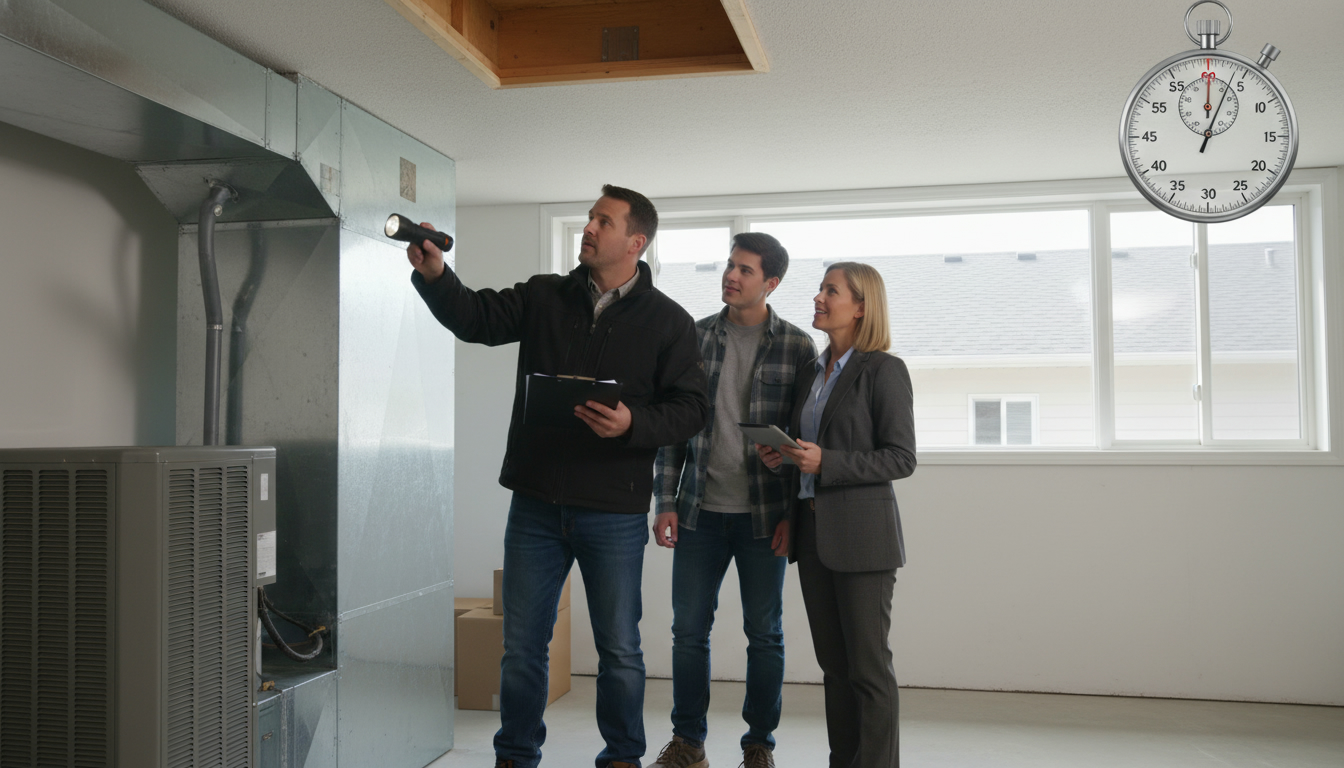
- Make access easy: attic, furnace, basement, crawlspace.
- Partner with a local agent who knows Georgetown comps.
1) Start with documentation — don’t let value slip away
Appraisers assign value based on what they can verify. Give them proof.
- Signed permits for renovations, with dates.
- Receipts for flooring, windows, kitchen, bath upgrades.
- Manufacturer warranties for appliances and roof materials.
- Recent property survey or reference to municipal records.
- Energy efficiency upgrades documentation (windows, insulation, furnace).
Compile a one-page summary titled “Seller Proof of Upgrades” with dates, costs, and permits. Hand it to the appraiser. It saves time and prevents overlooked value.
2) Systems and safety — prioritize mechanics and evidence
A well-maintained mechanical system reduces risk in an appraiser’s mind. That can lift value.
- Service records for furnace, A/C, hot water tank.
- Recent chimney inspection or cleaning (if applicable).
- Electrical panel upgrades and receipts.
- Roof condition report; fix leaks and replace missing shingles.
If something is borderline, consider a quick professional tune-up. A $200 service can protect $10,000s in perceived value.
3) Fix small defects — buyers don’t love surprises
Appraisers notice the obvious. Fixing small things looks like smart maintenance.
- Replace cracked tiles, torn screens, broken lights.
- Re-caulk tubs and counters where needed.
- Tighten loose handrails and patch small holes.
- Remove peeling paint and touch up trim.
Don’t over-improve. Focus on function and visible condition.
4) Clean, declutter, stage — show the home’s full potential
Space, flow, and cleanliness directly impact how an appraiser measures livable area.
- Deep clean: carpets, grout, windows, vents.
- Remove personal photos and excessive decor.
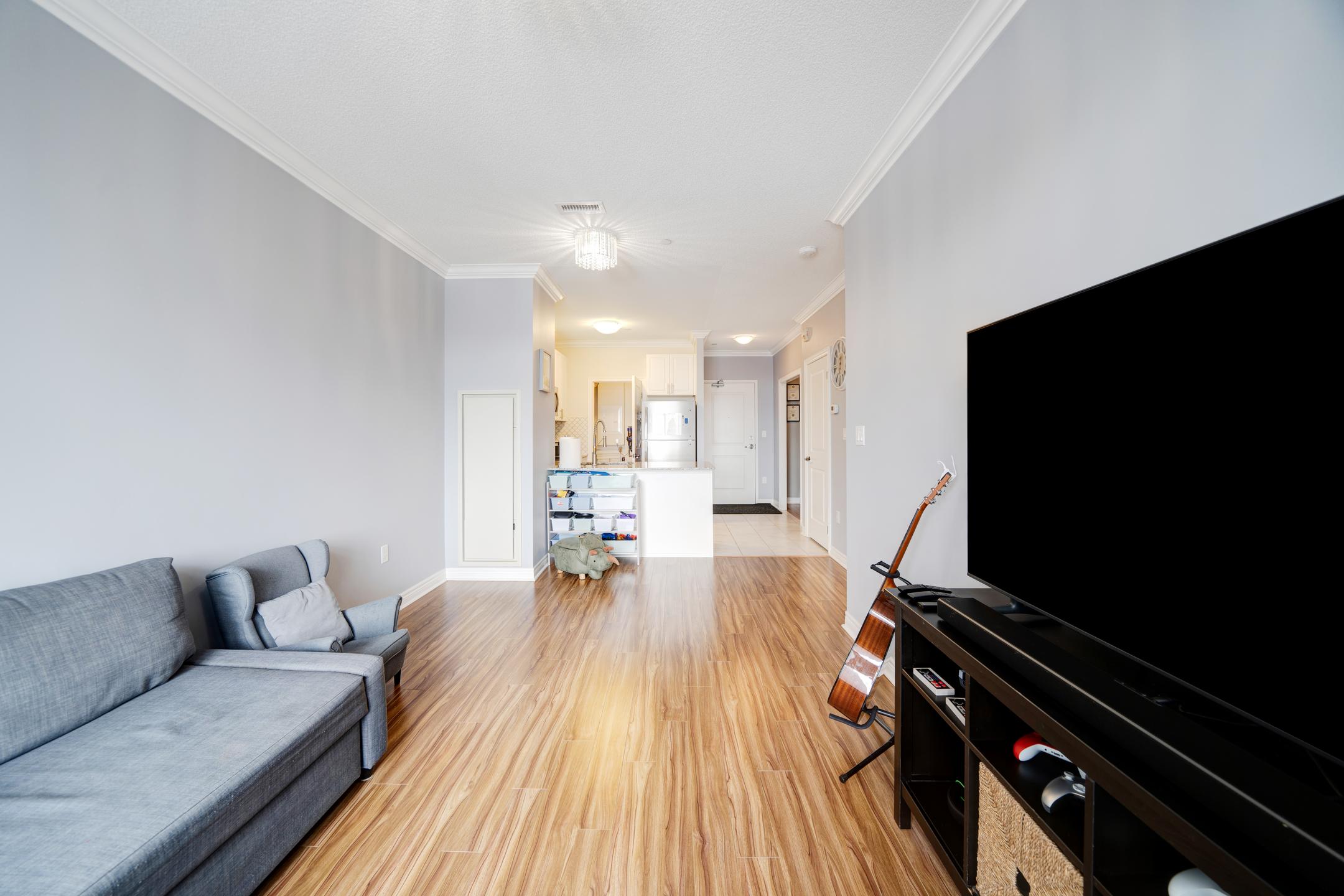
- Clear garage and basement to show storage and usable space.
- Open curtains and let in light. Appraisers walk rooms the same way buyers do.
Small staging moves — a neutral throw, tidy countertops — make rooms read larger.

5) Curb appeal — the first impression affects the whole report
Appraisers start outside. The exterior sets the tone.
- Trim hedges, cut grass, tidy beds.
- Power wash siding, walkways, and deck.
- Replace faded house numbers, mailbox, or ruinous fixtures.
- Clear snow and ice in winter; keep walkways safe.
Georgetown buyers notice mature trees and well-kept yards. Present those assets clearly.
6) Finished vs. unfinished space — be precise
Appraisers adjust value by finished living area. Know what’s finished and why it counts.
- Label finished basements and legal bedrooms.
- Provide permits or proof for finished areas.
- If the basement is partially finished, photograph the setup and utilities.
Unpermitted work will be discounted. If you have an unpermitted but quality renovation, disclose it and explain why it’s safe. Your agent can help position it for value.
7) Neighborhood and comps — give the appraiser context
Appraisers rely on recent sales. Help them quickly see why your home compares favorably.
- Provide a short list of 3-5 comparable recent sales (address, sale price, date).
- Highlight unique features: oversized lot, proximity to Georgetown GO station, top-rated schools, conservation trails.
- Note recent upgrades in the neighborhood, new builds, and municipal projects that lift demand.
Your agent should supply a clean comparative market analysis (CMA) and be available to talk to the appraiser.
8) Make the appraiser’s job easy — access, parking, and answers
Appraisers have schedules. Make their visit fast and informative.
- Clear parking near the front door or in driveway.
- Unlock gates, attic access, and utility rooms.
- Leave the “Seller Proof of Upgrades” folder on the kitchen counter.
- Offer a quick walk-through with your agent. Stay out of the way. Let the appraiser work.
Easy access reduces the chance of missed features and rushed judgments.
9) Pre-inspection — when it pays to know first
Getting a pre-listing inspection identifies issues a buyer’s home inspector would find later. Use this strategically.
Pros:
- Fix issues before listing to maintain appraisal value.
- Provide inspection report to appraiser as proof of condition.
Cons:
- It costs money. But consider it an investment.
In Georgetown, where older homes are common, a pre-inspection that confirms good waterproofing, foundation integrity, and electrical compliance often increases buyer confidence and appraisal outcomes.
Season-specific tips for Georgetown sellers
- Winter: Shovel snow, clear driveways, keep walkways salted. Show mechanicals working with no ice damage.
- Spring/Summer: Mow, edge, and trim. Tidy perennial beds and remove debris from conservation-edge lots.
- Autumn: Clear gutters and show roof maintenance. Leaf-free lawns read as cared-for.
Georgetown’s climate and older housing stock make seasonal maintenance important to perceptions of value.
What appraisers look for — fast summary
- Comparable sold prices in the last 3–6 months.
- Square footage and functional layout.
- Condition of major systems (roof, HVAC, foundation).
- Quality of finishes and recent renovations.
- Curb appeal and lot utility.
- Permitted work and documented upgrades.
If you can control these areas before the appraiser arrives, you control the most important inputs of their report.
How your agent (the local expert) moves the needle
A local agent that knows Georgetown can:
- Prepare a targeted list of comps that support your price.
- Deliver the seller documentation package to the appraiser.
- Explain neighborhood trends — new school ratings, local development, GO schedule improvements.
This is where local expertise converts preparation into higher value. Tony Sousa handles this daily in Georgetown. He compiles permits, highlights HOA-free lot benefits, and knows which comps appraisers respect.

For sellers: a one-page prep checklist (print and use)
- Permits & receipts folder
- Service records for furnace/AC/water heater
- Roof and gutter inspection notes
- Clean, declutter, and staged rooms
- Garage and basement cleared for inspection
- Lawn trimmed or snow cleared
- Lights working, no safety hazards
- Key access to attic, crawlspace, furnace
- Agent-provided comps and neighborhood notes
Call to action
If you’re selling in Georgetown and want the appraisal to reflect full value, don’t leave it to chance. Contact Tony Sousa for a personalized appraisal-prep plan, a pre-listing walkthrough, and a complete seller’s documentation package.
Tony Sousa — Local Georgetown Realtor
Email: tony@sousasells.ca
Phone: 416-477-2620
Website: https://www.sousasells.ca
FAQ — Appraisal and inspection questions Georgetown sellers ask
What’s the difference between a home inspection and an appraisal?
A home inspection reports condition and possible repairs for the buyer’s knowledge. An appraisal estimates market value for the lender. Both matter; an inspection can uncover issues that hurt appraisal value.
Should I get a pre-listing inspection?
Yes, especially for older homes in Georgetown. It helps you fix issues before buyers or appraisers see them. You can hand the report to the appraiser.
How long does an appraisal take in Georgetown?
Typically 30 minutes to 2 hours for the on-site visit, plus 2–7 business days for the report, depending on lender and demand.
Will the appraiser consider my renovations?
Yes, if you provide proof: permits, receipts, before/after photos. Permitted work carries more weight.
What if the appraisal comes in low?
Options: negotiate a price reduction with the buyer, ask for a second appraisal (rare), provide additional comps or documentation, or walk away. Your agent will advise the best path.
Do appraisers talk to sellers? Can I be present?
Appraisers typically prefer to work independently. Have your agent present. Leave the documentation folder and let the agent answer questions.
How much should I spend fixing things before appraisal?
Prioritize safety and visible maintenance. Small cosmetic fixes and one mechanical tune-up typically provide the highest ROI. Don’t over-improve for the neighborhood.
Does season affect appraisals in Georgetown?
Yes. Winter appraisals may hide landscaping but risk showing snow damage or frozen mechanicals. Prepare accordingly.
How can I guarantee a higher appraisal?
Guarantees don’t exist. But thorough preparation, accurate documentation, and a local agent who supplies strong comps and context significantly increase the odds of a top appraisal.
Prepared right, your home’s appraisal becomes a scoring center, not a surprise. If you want a tailored prep plan that targets Georgetown market specifics, reach out now.
Tony Sousa • tony@sousasells.ca • 416-477-2620 • https://www.sousasells.ca