How do I check for asbestos or lead paint in
older homes?
Is your Georgetown home hiding asbestos or lead paint? Find out fast before you list — don’t let this kill your sale.
Why this matters: If you’re selling a home in Georgetown, ON, unexpected asbestos or lead paint can stop a sale cold, shave thousands off your price, or create legal headaches after closing. This guide tells you exactly how to find out, what to do next, and how to protect value — without guesswork.
Quick summary for busy sellers
- Older homes (mid-1900s and earlier) are more likely to contain asbestos or lead paint.
- Don’t guess. Visual checks help, but testing by a certified inspector is the only reliable way to know.
- If tests are positive, disposal and abatement must be done by licensed pros in Ontario.
- Disclosure matters — hiding hazards risks legal action and lowers buyer trust.
How to tell if your home might have asbestos or lead paint
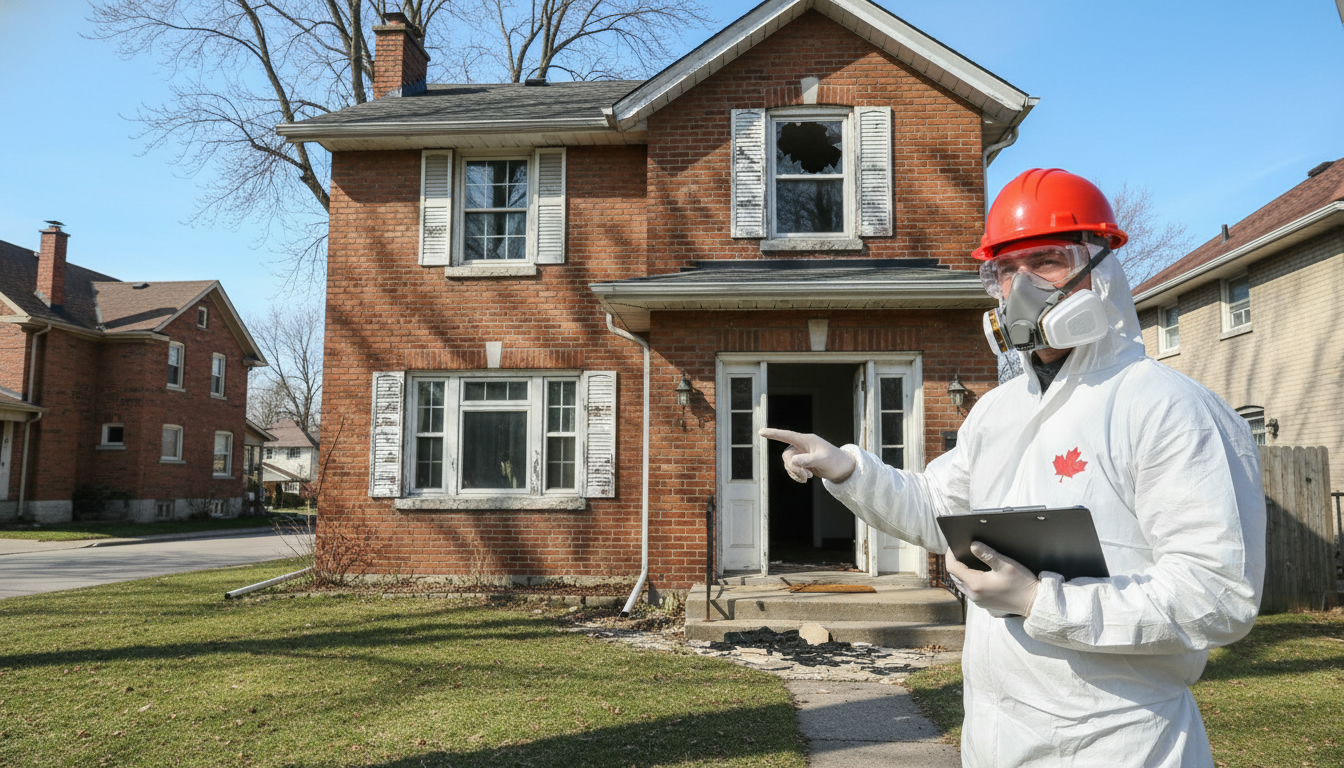
Start with the facts. These signs do not prove the presence of asbestos or lead paint, but they raise the priority for testing:
- Year built: If the house was built or renovated decades ago, treat it as higher risk.
- Common asbestos locations: old insulation, floor tiles, pipe wrap, popcorn ceilings, cement siding, furnace ducts.
- Common lead paint locations: interior and exterior painted surfaces, windows, doors, trim — especially multiple layers of paint.
- Damage and wear: Cracked, flaking, or friable materials raise the health risk if disturbed.
Look for these visual clues during your pre-listing walk-through. Do not scrape, sand, or disturb suspect materials. Disturbing material increases health risk and can create a bigger problem.
The only safe, reliable route: professional inspection and testing
If you have any reason to suspect asbestos or lead paint, hire a certified inspector. Here’s the step-by-step path used by top Realtors and home inspectors in Georgetown:
- Pre-inspection screening
- A qualified home inspector or environmental consultant performs a visual assessment.
- They catalog suspect materials and recommend targeted testing.
- Lab testing by credentialed labs
- Samples are collected by the inspector following strict safety protocols and sent to an accredited laboratory.
- Results usually return in 2–5 business days.
- Risk assessment and written report
- The inspector provides a clear report: where the hazards are, the concentration (if applicable), and recommended actions.
- The report gives you a documented basis for disclosure and negotiation.
- Abatement plan (if positive)
- If tests confirm asbestos or lead, the next step is a mitigation plan. That may include encapsulation, targeted removal, or full abatement.
- Only hire licensed abatement contractors for removal. They manage containment, disposal, and clearance testing.

Why DIY testing and removal are bad ideas
- Homeowner-collected samples are often contaminated or mishandled, producing unreliable results.
- DIY removal can release hazardous particles into the air, creating long-term health risk and higher cleanup costs.
- Improper disposal violates Ontario regulations and can lead to fines.
Bottom line: testing and abatement must be done by trained professionals who follow local regulations.
Cost and timing — what sellers should expect in Georgetown, ON
Costs vary by size, material, and scope. Expect a range, not a fixed number:
- Inspection and lab testing: typically in the low hundreds per targeted sample.
- Minor encapsulation or spot repairs: can run from a few hundred to a few thousand dollars.
- Full abatement/removal: often several thousand to tens of thousands, depending on area and complexity.
Timing:
- Testing + report: usually within a week.
- Minor mitigation: days to a week.
- Full abatement: can take days to multiple weeks, depending on contractor schedule and project size.
Know this: Treatment is an investment. Proper documentation and certification after abatement often protects sale value and keeps buyer confidence high.
Disclosure and negotiation strategy for sellers
- Be transparent in your MLS listing and pre-listing documents. Surprise discoveries during buyer inspections destroy deals.
- Provide the inspection and lab reports to buyers. If remediation is completed, include clearance certificates from the abatement contractor.
- Pricing strategy: if you can fix and certify before listing, your property will command a higher price and sell faster. If you choose to sell as-is, expect buyers to discount for risk and cost of removal.
Local resources and regulations — Georgetown, ON specifics
- Halton Region Public Health: If you have health concerns or need resources, the Halton Region public health office can guide you to local programs and information.
- Ontario licensed abatement contractors and accredited labs: use contractors who work in Halton Hills and have experience with older Georgetown homes.
- Real estate professionals experienced in Georgetown listings will know local buyer expectations and costs for common issues in the area.
Working with local pros reduces surprises. They know the local build styles, typical trouble spots, and the exact paperwork buyers and lawyers expect in this market.

How an expert Realtor-inspector combo protects your sale
Top-performing agents in Georgetown don’t guess. They deliver an inspection and a local, actionable plan before the home hits the market. That prevents bidding pauses, surprise conditions in buyer inspections, and last-minute price cuts.
When you work with a Realtor who coordinates a certified inspection, you get:
- Fast, credentialed testing and clear reporting
- Local abatement referrals with verified credentials
- A disclosure package that keeps buyers confident
- Pricing and negotiation strategy based on facts, not fear
This is where sellers avoid costly delays and keep sale prices intact.
What to do right now (clear action plan)
- Check the build year and note any past renovations.
- Do a visual scan without touching suspect materials.
- Book a professional environmental inspection and testing right away if your home is older or shows signs.
- If tests are positive, get three quotes from licensed abatement contractors in Halton Hills.
- Decide whether to remediate pre-listing or disclose and adjust price.
Acting fast saves money. Buyers value certainty. A certified report turns fear into leverage.
Why sellers in Georgetown trust a local expert
Local experts combine real estate market knowledge with inspection logistics. They know what Halton buyers expect, which contractors are reliable, and how to package disclosures so a sale moves smoothly.
I work with a local realtor (Tony Sousa) who specializes in navigating these exact issues for Georgetown sellers. He coordinates inspections, interprets reports, and positions homes to sell quickly and at top value. Contact: tony@sousasells.ca | 416-477-2620 | https://www.sousasells.ca
FAQ — Common questions from Georgetown home sellers
How likely is my older Georgetown house to have asbestos or lead paint?
If your home was built or significantly renovated mid-20th century or earlier, there’s a realistic chance it contains one or both. Many houses in Georgetown from that era have original materials that may contain asbestos or layers of lead-based paint. Only testing confirms presence.
Can I test for asbestos or lead paint myself?
No. Homeowner sampling and DIY removal are unsafe and unreliable. Certified inspectors follow strict safety protocols to collect samples and send them to accredited labs. That produces defensible results for buyers, lawyers, and insurers.
If a test is positive, do I have to remove it before selling?
Not necessarily. You must disclose. Buyers can request remediation or a price reduction. Many sellers choose to remediate before listing to preserve sale price and avoid negotiation delays.
How long does abatement take?
Minor containment or encapsulation can be done in days. Larger removals may take multiple weeks depending on the area and contractor availability. Clearance testing after removal is required to confirm the job is complete.
How much will this cost?
Costs vary widely by scope. Testing is relatively inexpensive. Minor fixes can be affordable; full abatement can be costly. Get multiple local quotes and remember: remediation often protects or restores sale value.
Who enforces regulations in Georgetown?
Local public health and provincial regulations govern hazardous materials management. For guidance and resources, check with Halton Region Public Health and select licensed Ontario abatement contractors.
What documents should I provide to a buyer?
Provide the inspection report, lab test results, and any clearance certificates or contractor invoices if remediation was done. This builds buyer confidence and speeds closing.
Will disclosure hurt my sale?
Honesty backed by documentation usually helps. Buyers trust verified reports and certified remediation. Hiding problems risks legal trouble and can kill a deal.
Can I advertise “problem-free” if I haven’t tested?
No. Don’t claim a property is free of hazards without testing evidence. Misleading statements can lead to post-sale disputes.
If you’re selling in Georgetown, protect your value and sell with confidence. Start with a certified inspection and a clear remediation plan. For fast coordination of inspections, local abatement referrals, and a disclosure strategy that sells homes — contact tony@sousasells.ca or call 416-477-2620. Visit https://www.sousasells.ca for more.