How do I assess structural components before
buying?
Want to know the real condition of a house before you buy? Read this first — the simple structural checklist that protects your money and your move.
Why every Georgetown seller and buyer must know structure first
If you plan to sell a house in Georgetown, ON, or buy one here, structure is everything. Buyers won’t forgive hidden issues. Realtors and contractors won’t close the deal until they see solid bones. The good news: you don’t need to guess. You need a method.
This post gives a clear, no-nonsense process to assess structural components before buying. It’s built for Georgetown: older stone foundations, river valley lots, freeze-thaw winters, and a mix of heritage and modern homes. Read it, use it, and protect value.
Quick reality check: what kills deals in Georgetown
- Foundation movement and moisture in basements or crawl spaces
- Roof failure and ice-dam damage after cold winters
- Sinking or soft soil near the Credit River and ravines
- Cracked chimneys, rotting porches and decks
- Historic stone or brick foundations with mortar loss
If you see any of those, get professional help. Now let’s break down exactly how to assess, what to look for, and when to escalate.
A simple step-by-step structural assessment you can do on first walkthrough
- Exterior perimeter sweep (5–10 minutes)
- Walk the lot line and check grading. Soil should slope away from the foundation 4–6 inches over the first metre. Flat or inward slopes signal drainage trouble.
- Inspect eavestroughs and downspouts. Are they clogged or discharging at the foundation?
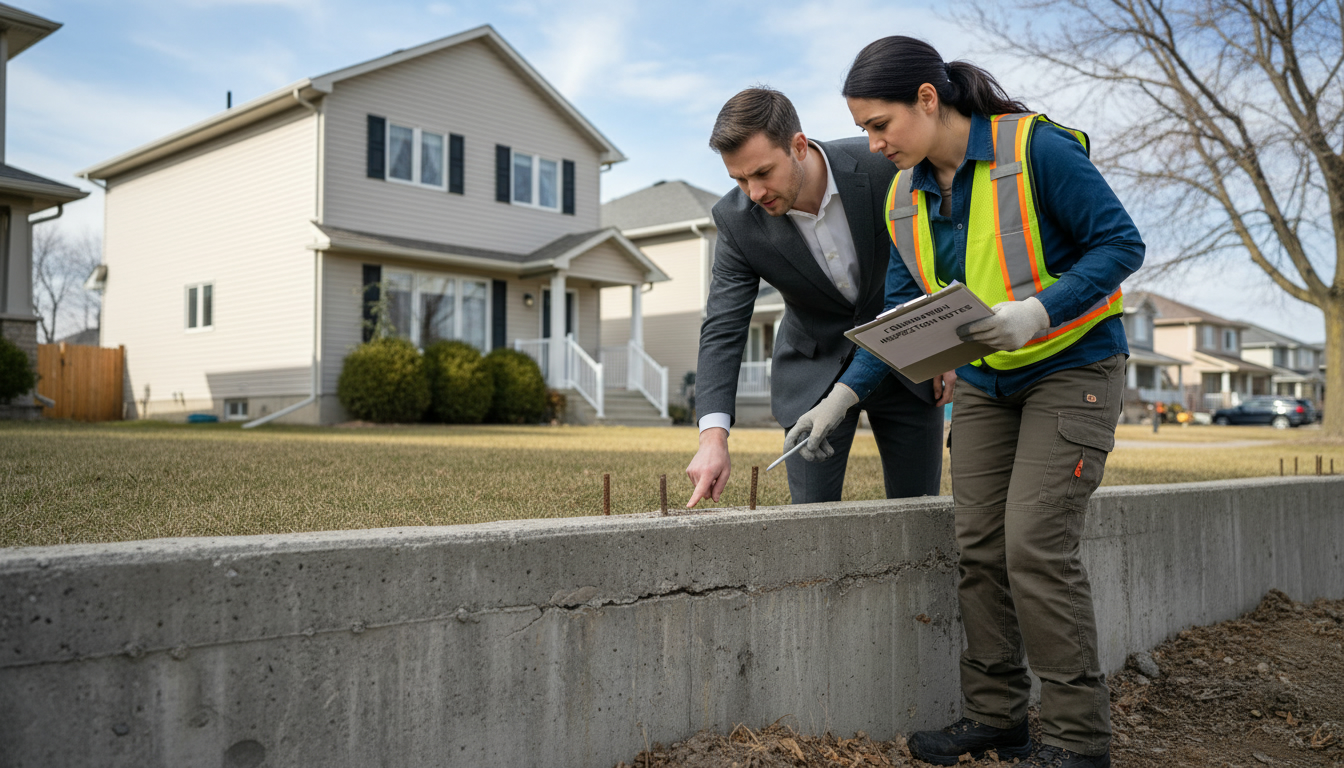
- Scan the foundation walls for horizontal or stair-step cracks, bulges, or mortar loss. Hairline cracks aren’t urgent; wide or stepped cracks are.
- Look at the chimney and masonry. Leaning chimneys, missing mortar, or loose bricks mean a structural concern.
- Doors, windows and floors (inside, 10–15 minutes)
- Open and close every exterior door. Sticking doors and windows that won’t latch often mean settling.
- Walk every room. Notice sloping floors, soft spots, or creaks. A sagging floor near a middle span suggests joist or support problems.
- Inspect baseboards and drywall near corners for cracks that widen on the outside—this can show ongoing movement.
- Basement and crawlspace check (15–20 minutes)
- Look for active water: damp walls, efflorescence (white mineral deposits), mold, or standing water.
- Check for a sump pump and know if it’s connected to battery backup. Georgetown’s seasonal runoff makes a functional sump pump valuable.
- Note exposed weeping tiles, signs of prior waterproofing, or interior parge coats.
- If there’s a crawlspace, check ventilation, insulation, and joists for rot.
- Roof and attic spot check (outside & inside, 10–15 minutes)
- From the ground, look for sagging rooflines, uneven ridges, or missing shingles.
- In the attic, inspect rafters for rot, insect damage, or prior repairs. Check for daylight through roof sheathing—guaranteed leak path.
- Look for ice dam evidence: packed snow/ice along eavestroughs or water stains on sheathing.
- Site hazards and retaining walls
- If the home sits on a slope or near ravines, inspect retaining walls for movement or tilting.
- Look for obvious erosion at the footer line or exposed footings.
What to measure and document during your inspection
- Photograph every crack, sag, and stain from multiple angles.
- Measure the width of visible foundation cracks (a simple disposable ruler helps). Cracks wider than 6 mm (about 1/4 inch) need a structural opinion.
- Note dates and weather conditions — is the basement wet only after heavy rain?
- Keep a checklist and timeline. This creates proven disclosure and builds buyer confidence.
When to call a structural engineer (and when you don’t need one)
Call an engineer immediately if you find any of these:
- Horizontal foundation cracks or bulging walls
- Cracks wider than 6 mm or cracks that are growing
- Leaning chimney or displaced masonry
- Significant settlement around the foundation
- Sagging or deflected roof spans greater than 1–2 inches over a 10-foot run
You can skip the engineer for cosmetic cracks, small hairline shrinkage lines, or single, isolated settlement hairlines that have not moved for years — but document them and watch.
Local costs and timelines (Georgetown practicals)
- Simple crack repair and re-mortar: $500–$3,000 CAD
- Exterior drainage correction and regrading: $2,000–$10,000 CAD (site dependent)
- Foundation underpinning/structural repair: $10,000–$60,000+ CAD
- Structural engineer review: $600–$2,000 CAD for a report
- Roof replacement for most Georgetown homes: $6,000–$15,000 CAD
Timelines: small repairs can be scheduled in 1–3 weeks. Major structural work may take multiple weeks with permit lead times. Always check Halton Hills/Town of Halton permit rules for foundation or structural changes.
Note: these are ranges. Get local contractor quotes before committing.
How structural assessments affect sale readiness and value
- Fixing structural defects upfront shortens market time and reduces price reductions. Buyers pay for certainty.
- A pre-listing structural report removes leverage from buyers who plan to ask for credits or lower offers.
- Small, inexpensive repairs (grading, gutter work, minor crack sealing) produce outsized returns in buyer confidence.
- Major structural work should be weighed against net return: sometimes a price adjustment plus disclosure is better than spending tens of thousands on repair before sale.
As a seller in Georgetown, the smartest move is to get a pre-listing inspection. It lets you control negotiations and set a confident asking price.

Action plan for sellers — five steps to get sale-ready fast
- Order a pre-listing home inspection and structural engineer review if you see red flags.
- Prioritize fixes: drainage, roof, visible foundation issues, and unsafe elements (porches, chimneys).
- Get quotes from 2–3 local contractors. Choose contractors with insurance and references in Halton Hills.
- Document all repairs with receipts and before/after photos.
- Share the inspection and engineer reports with prospective buyers. Transparency moves deals faster.
Negotiation tactics that protect your price
- Use a recent engineer’s report to set the listing price and remove ambiguity.
- Offer to complete minor repairs before closing and provide completion receipts.
- For larger issues, offer a credit for a fixed amount with evidence-based estimates rather than agreeing to indefinite repairs.
Conclusion — don’t gamble on structure
Homes in Georgetown hold value when their structure is solid. Don’t wait for a buyer’s inspector to find the problem. Inspect early, document everything, and make smart repairs that buyers notice. That’s how you command a higher price and faster sale.
If you want a local referral to reputable home inspectors, structural engineers, and contractors in Georgetown, contact Tony Sousa. I work with a vetted network, know Halton Hills permit rules, and will help you decide which repairs pay and which should be disclosed instead.
Tony Sousa — Georgetown Renovation & Sale Specialist
Email: tony@sousasells.ca | Phone: 416-477-2620 | https://www.sousasells.ca
FAQ — Structural assessments, renovations, and the Georgetown market
Q: How long does a structural inspection take?
A: A focused structural assessment by a qualified engineer takes 1–2 hours on site for a typical single-family home, plus 3–7 days to issue a written report. A full engineering diagnosis for complex problems can take longer.
Q: Can mould or dampness be a structural problem?
A: Yes. Persistent dampness can rot wooden joists and supports, and high moisture accelerates foundation deterioration. Always address drainage and waterproofing as part of structural remediation.
Q: Do I need permits for foundation or structural repairs in Halton Hills?
A: Most structural repairs and foundation alterations require permits. Check with the Town of Halton Hills building department or ask your contractor to confirm permit needs before starting work.
Q: Should I fix everything before listing my home?
A: Fix safety and major structural issues. For expensive structural repairs, weigh the cost versus reducing the price and disclosing the issue. Use an engineer’s report to guide the decision.
Q: What is the most common hidden structural issue in Georgetown?
A: Drainage-related foundation moisture is very common. Many older properties need improved grading, eavestroughs, and French drains.
Q: How does a pre-listing inspection affect sale time?
A: It reduces time on market. Buyers move faster when they have certainty. Pre-listing inspections reduce surprises at conditional stages and cut back-and-forth negotiations.
Q: How to choose an engineer or inspector?
A: Look for licensed professionals with local experience. Ask for examples of similar work in Halton Hills, proof of insurance, and clear written reports.
Q: What’s the single best thing a seller can do to protect value?
A: Fix surface drainage and eavestrough issues, and get a pre-listing inspection. Those two steps buy the most buyer confidence for the least cost.
If you want direct help with a pre-listing inspection, contractor referrals, or a market plan tailored to Georgetown, email tony@sousasells.ca or call 416-477-2620. I’ll walk you through the costs, permits, and the highest-return repairs to get your home sale-ready.