What’s the best lighting for showings?
What’s the best lighting for showings? Do this and buyers will fall in love at first glance.
Why lighting matters more than you think
Lighting isn’t decoration. It’s persuasion.
In Georgetown, ON, buyers decide in minutes. Good light speeds decisions. Bad light kills offers. If you want top dollar, you must control how a buyer sees your home.
Georgetown sits on the Niagara Escarpment in Halton Hills. Winters are short on daylight. Overcast days are common. Summers are bright and long. That means one thing: your lighting strategy must adapt to seasons and showtimes. You can’t rely on natural light alone.
The core rule: make spaces look bright, warm, and true-to-color
Make every room feel larger, cleaner, and welcoming. Do that by layering light and using the right bulbs.
Actionable baseline:
- Use LED bulbs with CRI 90+ so colors look real. Buyers notice worn paint and odd carpet colors when CRI is low.
- Aim for 3000K–3500K color temperature in main living spaces. It’s neutral, flattering, and works in both daytime and evening showings.
- Dimmable fixtures give control. Dim for mood during evening open houses, full for daytime clarity.

Practical lighting setup for every room
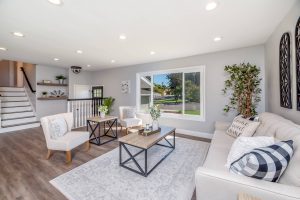
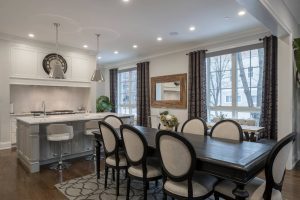
Living room and dining
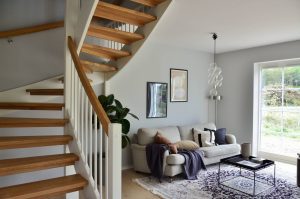
- Layer lighting: ambient (ceiling), task (reading lamps), accent (wall or picture lights).
- Replace dim, yellow incandescent bulbs with 800–1600 lumen LED bulbs (per fixture). Two or three layers beats one harsh overhead.
- Open curtains for daytime. Turn on all fixtures during showings, even on sunny days. It photographs and feels intentional.
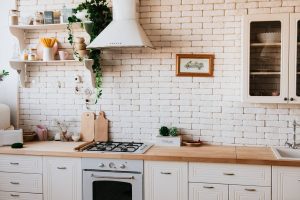
Kitchen
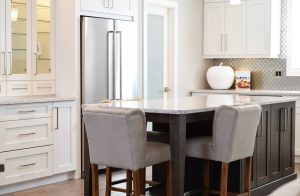
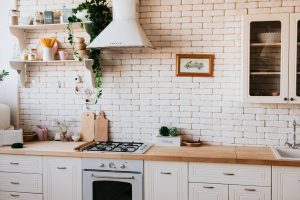
- Bright, shadow-free light matters. Use 4000K under-cabinet LEDs for counters. They show surfaces clean and food-ready.
- Use recessed or pendant lights over islands at 800–1,200 lumens each.
Bedrooms
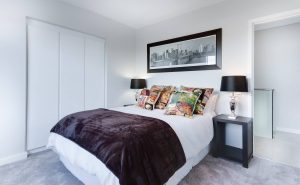
- Keep bedrooms cozy: 2700K–3000K bulbs and bedside lamps. But leave overheads at 3000K so colors read true in photos.
- Add warm accent lamps to show scale and usable space.
Bathrooms
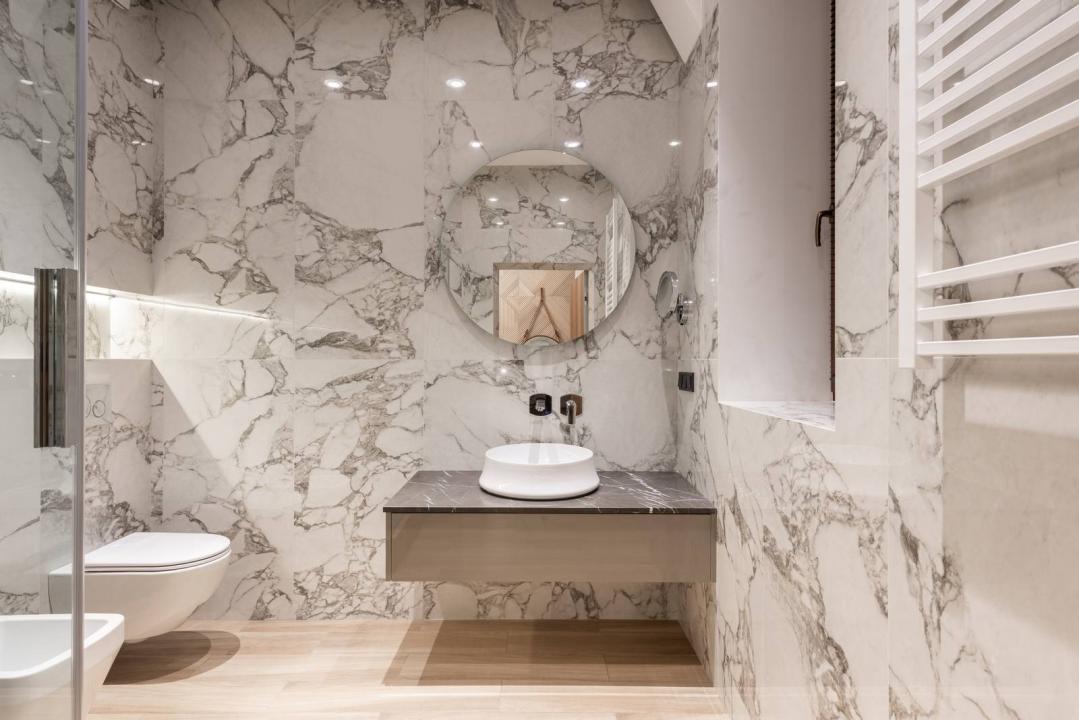
- Aim for CRI 90+ and 3000K. Vanity lighting should flank mirrors or sit above to remove shadows from faces.
- Replace old fluorescents with LED panels for even, flattering light.
Entry, hallway, and stairs
- Bright, safe, inviting. Use 300–500 lux equivalents. Motion or dusk sensors for evening showings create a modern, secure feel.
Exterior and curb appeal
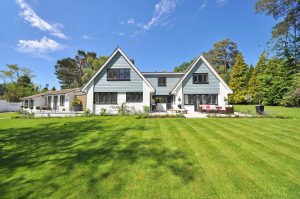
- Porch light on for all showings after dusk. Path lights, warm LED flood for the façade, and well-lit steps sell trust.
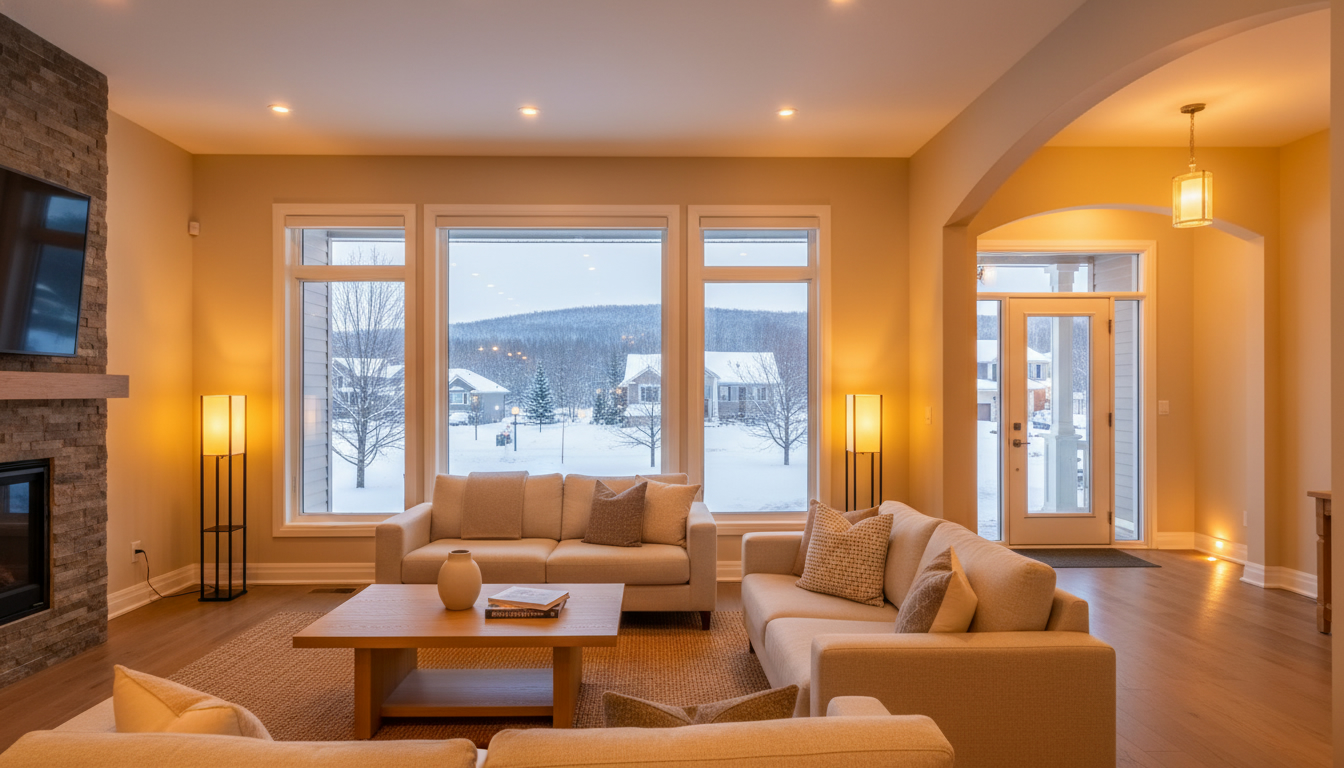
- In Georgetown, winter showings often happen early evening. Make sure your entry is well-lit even when snow’s on the ground.
Georgetown-specific advice you won’t find in generic guides
Short winter days: schedule showings midday when possible. When that’s not possible, execute an evening lighting plan: all interior lights on, warm porch light, and path lighting. Buyers who arrive at dusk should feel a safe, warm welcome.
Overcast frequent days: don’t rely on soft natural light. Turn on every light. Clean windows and mirrors to maximize light reflection.
Older Georgetown homes with smaller windows: use mirrors opposite windows to bounce available daylight into the room. Add floor lamps with high-CRI bulbs.
Heritage homes in downtown Georgetown: highlight architectural features (trim, built-ins, high ceilings) with targeted accent lighting at 2700K–3000K to keep warmth but show detail.
Open-concept and new builds: use dimmers to let buyers visualize both everyday life and entertaining scenarios.
Quick checklist for a staging lighting sweep (use this before every showing)
- Replace all burned-out bulbs with CRI 90+ LEDs.
- Standardize color temperature: 3000K main areas; 2700K bedrooms if you want extra warmth.
- Turn on every light — including closets, laundry rooms, and garage.
- Clean all light fixtures and lampshades.
- Open blinds and curtains. Remove heavy drapes.
- Plug in one or two lamps in dim corners. Aim for no dark patches.
- Exterior: porch and path lights on. Motion lights tested.
- Take photos on your phone with lights on to confirm how rooms appear.
Bulb specs that actually matter
- Type: LED (energy-efficient, consistent color, instant-on).
- CRI: 90+ (shows true colors of walls, floors, countertops).
- Color Temp: 3000K–3500K main; 2700K for bedrooms if you want extra warmth.
- Lumens: Living areas 1,500–3,000 total per room depending on room size. Kitchens and bathrooms need higher concentrated lumens.
- Dimmable: yes. Use compatible dimmer switches with LED bulbs.
Buy locally or online. Get bulbs labeled with lumens, CRI, and Kelvin.

Small investment, big return: what to replace first
Start here in this order:
- Burned-out or mismatched bulbs.
- Cloudy lampshades and dirty fixtures.
- Bathroom vanity lighting.
- Kitchen under-cabinet lighting.
- Dimmer switches for living and dining areas.
A $150–$500 lighting refresh can improve listing photos and buyer impressions dramatically.
Staging tips that photographers and buyers love
- Photograph with lights on. Listings that show staged rooms with consistent lighting get more clicks.
- Avoid mixed color temperatures in photos. If a room has both 2700K and 5000K bulbs, it looks amateur.
- Use three-point lighting for high-value rooms: key light (main), fill light (reduces shadows), back light (separates subject from background). For home shots, that translates to overhead + floor lamp + accent light.
Smart lighting tricks for showings
- Use smart bulbs or timers to turn lights on 15 minutes before a showing.
- Create a ‘showing scene’ preset: all lights on, living room dimmed to 80%, porch on, hallway bright.
- Smart bulbs let you adjust color temp for different times of day — useful in Georgetown’s changing seasons.
Mistakes that kill offers (and how to avoid them)
- Leaving one room dark. Buyers assume neglect.
- Mixed bulbs in one space. Swap bulbs for the same Kelvin and CRI before photos.
- Overly cool, blue light. It reads clinical and can make rooms feel sterile.
- Neglecting exterior lighting. A dark porch looks unsafe.
How this helps you sell faster in Georgetown
Buyers here want move-in-ready and honest listings. Proper lighting makes rooms feel cleaner, larger, and cared-for. That shortens buyer hesitation and speeds offers. It helps your listing photos pop on MLS and social feeds. It reduces lowball offers based on perceived flaws.
Call to action
If you want a partner who knows Georgetown home buyers and staging that converts, call or email. I help sellers stage lighting, select fixtures, and prep for photos that sell.
Contact: Tony Sousa — tony@sousasells.ca | 416-477-2620 | https://www.sousasells.ca
FAQ — Lighting, staging, and showings in Georgetown, ON
Q: What color temperature should I use for showings?
A: Use 3000K–3500K for main living spaces. It’s neutral and flattering. Bedrooms can be 2700K for a cozy feel, but keep overheads consistent.
Q: How bright should rooms be for showings?
A: Aim for even lighting and no dark corners. Use a mix of fixtures to reach roughly 300–500 lux (bright enough to inspect finishes). Practically, that’s multiple 800 lumen LED bulbs in main rooms.
Q: Should I turn on lights during daytime showings?
A: Yes. Always. Lights on equals intentional staging and better photos.
Q: Do I need professional lighting for photography?
A: Not always. If your lighting is layered, bulbs are high-CRI, and fixtures are clean, a pro photographer will get great shots. For large or luxury homes, consider a photographer who uses additional lighting.
Q: What about outdoor lighting in winter?
A: Critical. Short daylight means evening viewers need a bright, safe entry. Porch and path lights on. Remove snow and salt for a clean approach.
Q: How much should I budget for lighting upgrades?
A: You can improve most homes for $150–$500. Focus on bulbs, lampshades, and a few key fixtures. Smart switches/dimmers may add $100–300 if you want presets.
Q: Will better lighting really increase my sale price?
A: Yes. It improves photos, reduces perceived flaws, and accelerates decisions. That often translates into stronger offers and fewer price reductions.
Q: Any Georgetown-specific staging tip?
A: Schedule showings midday in winter when possible. For evening showings, make lighting the focal point of the entry and living room. Use warm, welcoming tones that read well against typical Georgetown finishes.
If you want help implementing this plan, I’ll come by, assess lighting, and give a short punch list you can execute the same day. No fluff. Clear steps. Proven results.
Tony Sousa — tony@sousasells.ca | 416-477-2620 | https://www.sousasells.ca