Are there tax incentives for energy-efficient upgrades?
Want tax breaks for every energy upgrade you make? Here’s how to claim them now.
Quick answer
Yes. There are tax incentives, rebates, grants and utility programs that reward energy-efficient upgrades for homes and investment properties. These incentives come as tax credits, direct rebates, low-interest loans and accelerated write-offs. They cut renovation costs and improve resale value.
Why this matters
Upgrading to energy-efficient windows, insulation, heat pumps, smart thermostats or solar panels does two things: reduces bills and triggers financial incentives that offset upgrade costs. Those incentives are often time-limited and region-specific. Acting fast and following program rules is how you keep the money.
Common types of energy-efficiency incentives
- Federal tax credits: Direct credits on income taxes for qualifying upgrades.
- Provincial or state rebates: Cash back after eligible work is completed.
- Utility company programs: Instant rebates or reduced rates for energy-saving equipment.
- Grants and low-interest loans: Upfront help or financing tied to efficiency standards.
- Business and rental property write-offs: Accelerated depreciation or capital cost allowances for investment properties.
Typical eligible upgrades
- High-efficiency HVAC / heat pumps
- Insulation and air-sealing
- Energy-efficient windows and doors
- Solar photovoltaic systems and battery storage
- ENERGY STAR appliances and smart controls
How to maximize incentives (4-step playbook)
- Research local programs first. Federal incentives exist, but provinces/municipalities and utilities often offer bigger, faster rebates.
- Get an energy audit or pre-approval when required. Many programs demand an audit or pre-approval to qualify.
- Use approved contractors and products. Non-compliant installations void incentives.
- Keep receipts and submit claims by deadlines. Missing documentation kills refunds.
Mistakes that cost you money
- Assuming every upgrade qualifies. Not all products or installations meet program specs.
- Skipping pre-approval. If pre-approval is required, post-work applications often fail.
- Hiring non-certified contractors. Certification is commonly required.
Practical example
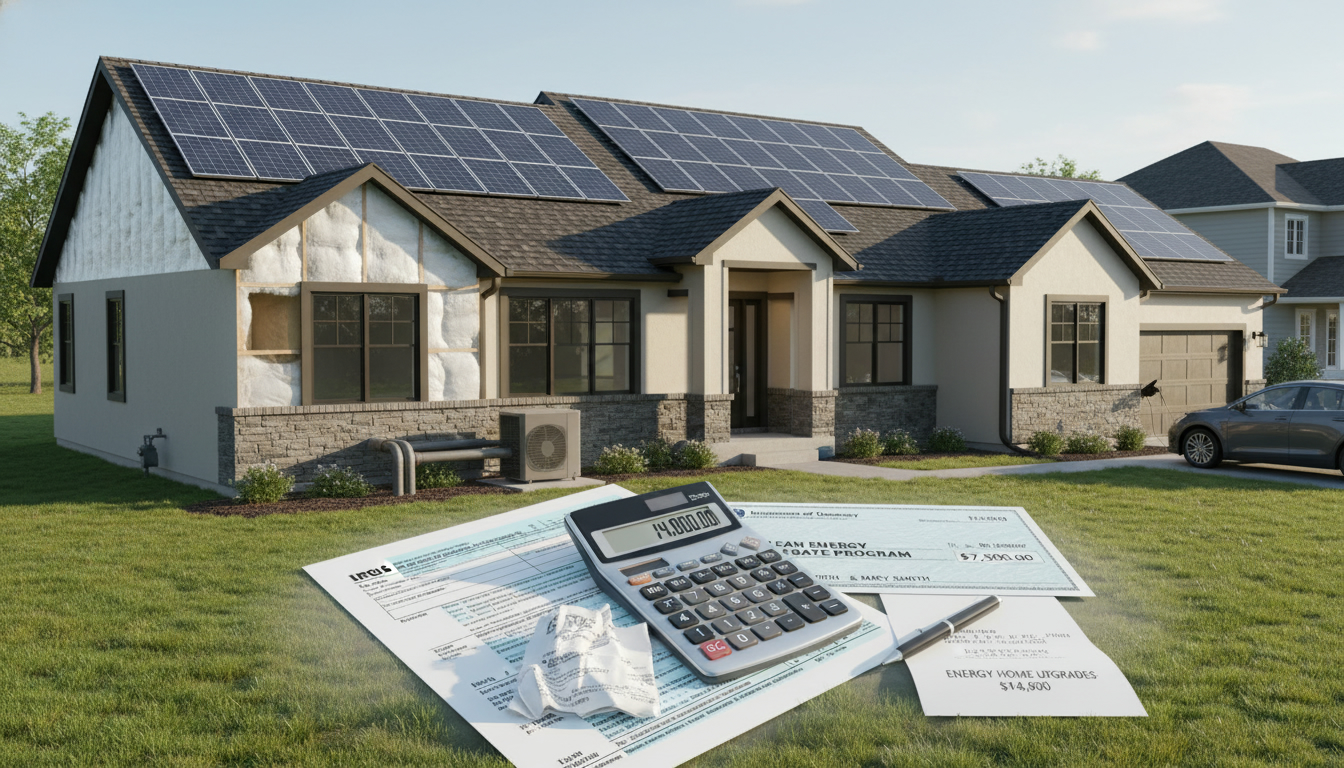
A homeowner replaces an old furnace with a high-efficiency heat pump, adds insulation, and files for both a federal tax credit and a utility rebate. Combined savings can cut project costs by 20–40% and shorten payback time. Exact numbers vary by location and program.
Bottom line — act now
Yes, tax incentives for energy-efficient upgrades exist and they matter. They reduce your out-of-pocket costs and boost home value. The details change by province and utility. If you want clear, local advice and a step-by-step claim plan, contact Tony Sousa — a local real estate expert who tracks incentives and how they affect resale value.
Contact Tony Sousa: [email protected] | 416-477-2620 | https://www.sousasells.ca
Need help identifying which incentives apply to your property? Reach out — I’ll point you to the programs and the exact steps to lock in the savings.
Featured Real Estate Listings
Browse current properties available right now. Click any listing to view photos, floor plans, or schedule a private tour.