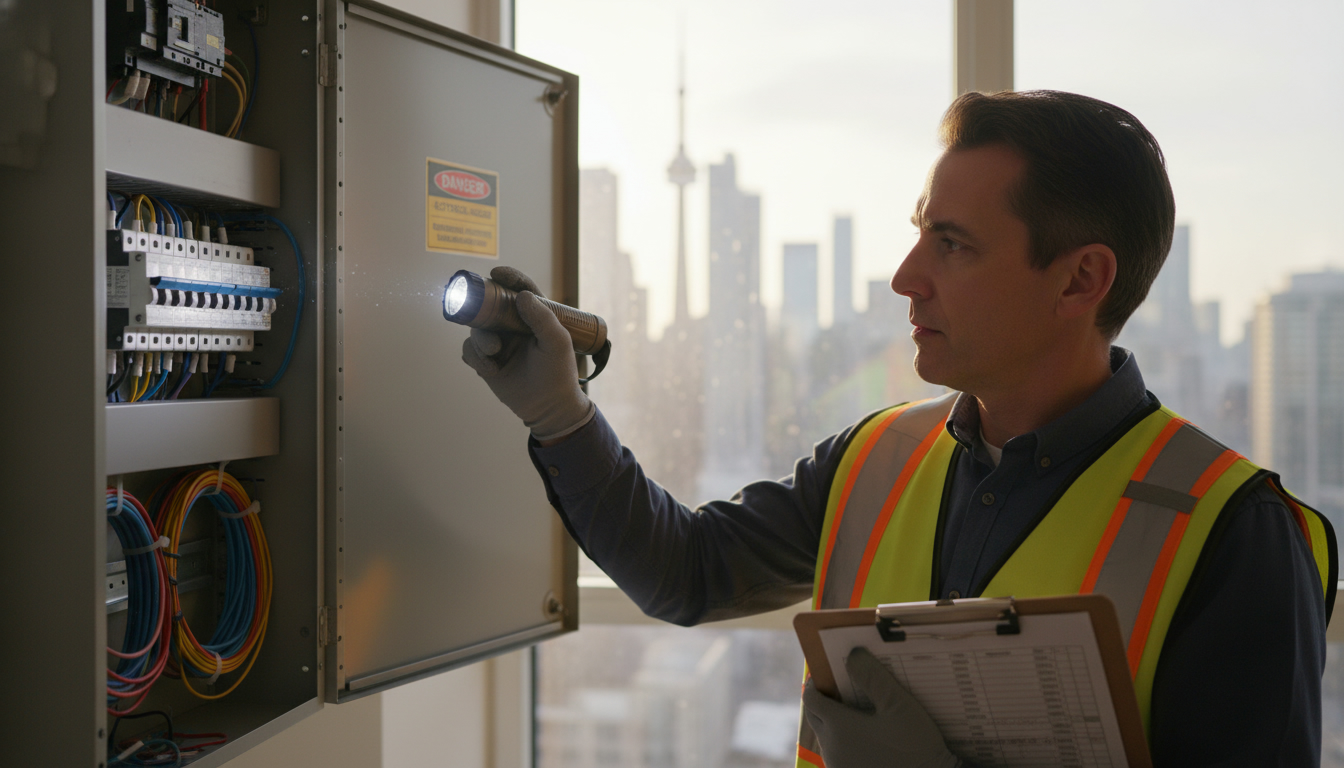
Should I inspect electrical panels and wiring?
Should I inspect electrical panels and wiring before buying or selling a home? Don’t skip this.
Quick answer
Yes. Inspect electrical panels and wiring. It’s one of the top safety and value checks for any home. A thorough electrical inspection prevents fires, avoids surprise repair bills, and protects closing deals.
Why electrical inspection matters
Electrical problems are hidden, expensive, and dangerous. Old panels, DIY wiring, overloaded circuits, knob-and-tube, aluminum wiring, and loose connections all increase fire risk. Lenders, insurers, and buyers look closely at electrical systems. Skipping an inspection invites delays, renegotiation, or a failed sale.
Keywords: inspect electrical panels, inspect wiring, electrical inspection, home inspection, electrical safety, electrical panel inspection
What a proper inspection covers
- Panel condition: corrosion, rust, clearances, proper labeling.
- Breakers and fuses: matching sizes, tripped or double-tapped breakers.
- Wiring type: knob-and-tube, aluminum, cloth, or modern copper.
- Grounding and bonding: safety ground, bonding to water pipe and service neutral.
- Outlets and switches: safe operation and GFCI/AFCI protection where required.
- Load capacity: service size (amps) vs. household demand.
A qualified licensed electrician or certified home inspector will test circuits and look for dangerous shortcuts.
Who should perform the inspection
Hire a licensed electrician or a certified home inspector with electrical expertise. Realtors can recommend inspectors. If the inspection flags repairs, get a licensed electrician to give a written estimate. Cheap shortcuts now become costly surprises later.
Red flags that need immediate attention
- Burn marks, melted insulation, or a burning smell.
- Flickering lights or frequent breaker trips.
- Warm or buzzing outlets and panels.
- Aluminum wiring without approved retrofit or connection.
- Ungrounded two-prong outlets in modern living areas.
Any of these can indicate a fire hazard. Do not ignore them.
Cost vs. value (be direct)
An inspection costs a few hundred dollars. Repairs range from minor fixes to panel replacement. Consider this: a proper inspection prevents a $10k+ emergency repair or an insurance denial after a fire. That’s ROI. For buyers, it’s leverage to negotiate price or require repairs before closing.
Practical checklist for buyers and sellers
- Order an electrical inspection during home inspection contingency.
- Ask for a full written report and photos.
- Get a licensed electrician estimate for recommended repairs.
- Save all receipts and permits for the transaction.
Final word
Inspect electrical panels and wiring. It’s not optional. It’s protecting your safety, your wallet, and your sale.
Need a local recommendation or help navigating inspection findings in the Toronto area? I work with trusted licensed electricians and home inspectors who deliver clear reports and fair estimates. Contact me for referrals or to discuss how inspection results affect your offer.
Tony Sousa — Local Realtor Email: [email protected] Phone: 416-477-2620 Website: https://www.sousasells.ca
Featured Real Estate Listings
Browse current properties available right now. Click any listing to view photos, floor plans, or schedule a private tour.


