How do I manage a rental property remotely?
Want to manage a rental property remotely and boost its resale value fast? Read this.
Why remote management improves investment and resale value
Remote property management isn't a compromise. It's leverage. Owners who run systems, not firefights, keep higher occupancy, cleaner books, and properties that sell faster and for more. If you can manage a rental property remotely, you protect cash flow and increase resale value.
Start with repeatable systems
Treat management like a business. Create written processes for tenant screening, rent collection, maintenance, move-in/out, and inspections. Systems reduce mistakes, improve tenant retention, and make your property attractive to buyers and lenders.
Action steps:
- Create a tenant screening checklist (credit, income, references).
- Use a monthly reporting template for income, expenses, and repairs.
- Schedule quarterly virtual inspections with photo reports.
Build a compact tech stack
Use tools that replace local presence:
- Property management software: automates rent collection, accounting, and communication.
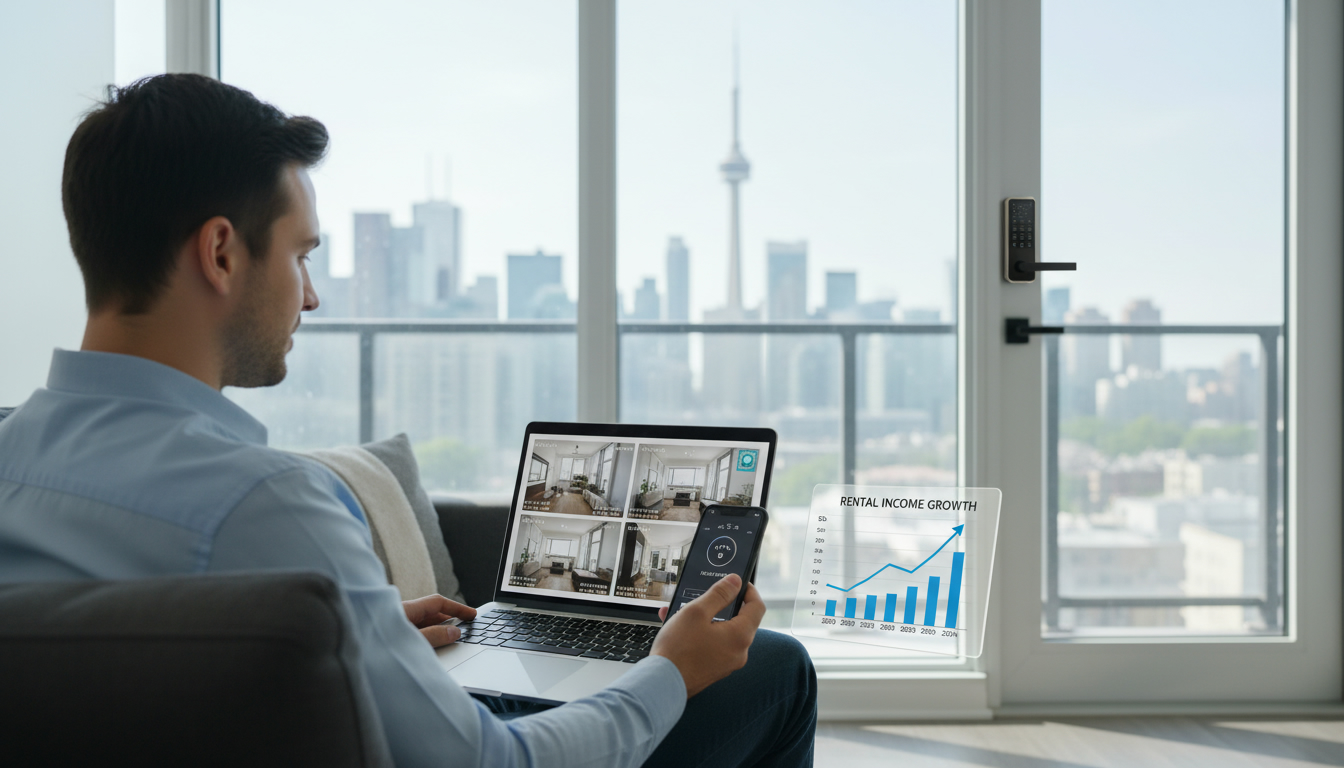
- Smart locks and smart thermostats: reduce on-site visits.
- Virtual tour and inspection apps: timestamped photos and video notes.
These tools cut costs and create a digital audit trail buyers love.
Hire local partners and vet them like a CEO
Remote doesn’t mean alone. Hire a part-time local property manager, a trusted handyman, and a cleaner. Vet with the same rigor you’d use for an investment decision:
- Check three references.
- Confirm licensing and insurance.
- Start with trial tasks before long-term contracts.
Example: A Toronto owner hired a vetted handyman for seasonal maintenance at $40/hour after a two-week trial. That reduced emergency calls by 70% and improved tenant reviews—raising market rent and eventual resale offers.
Cash flow discipline protects resale value
Keep a dedicated account for each property. Track repairs, capital improvements, and upgrades. Buyers pay premiums for properties with clean financials and documented upkeep.
Practical rules:
- Keep 3–6 months of operating reserves.
- Capitalize improvements (new roof, windows) with receipts and before/after photos.
- Review P&L monthly and export PDF reports for lenders or buyers.
Transparent tenant relations reduce vacancy risk
Fast communication and clear expectations keep tenants longer. Use written policies for late rent, maintenance requests, and move-out procedures. A tenant who treats the property like their home preserves value.
Quick checklist to start today
- Implement rent automation.
- Book a local handyman with a trial task.
- Set up monthly financial reports.
- Install one smart device for remote access and inspections.
Why this matters for resale
Buyers and investors pay more for properties with stable cash flow, documented maintenance, and low vacancy. Remote management done right turns a rental into a turnkey investment.
Tony Sousa is a local Toronto realtor and investment expert. For a consultation on maximizing your property’s investment and resale value, contact Tony: [email protected] | 416-477-2620 | https://www.sousasells.ca
Featured Real Estate Listings
Browse current properties available right now. Click any listing to view photos, floor plans, or schedule a private tour.