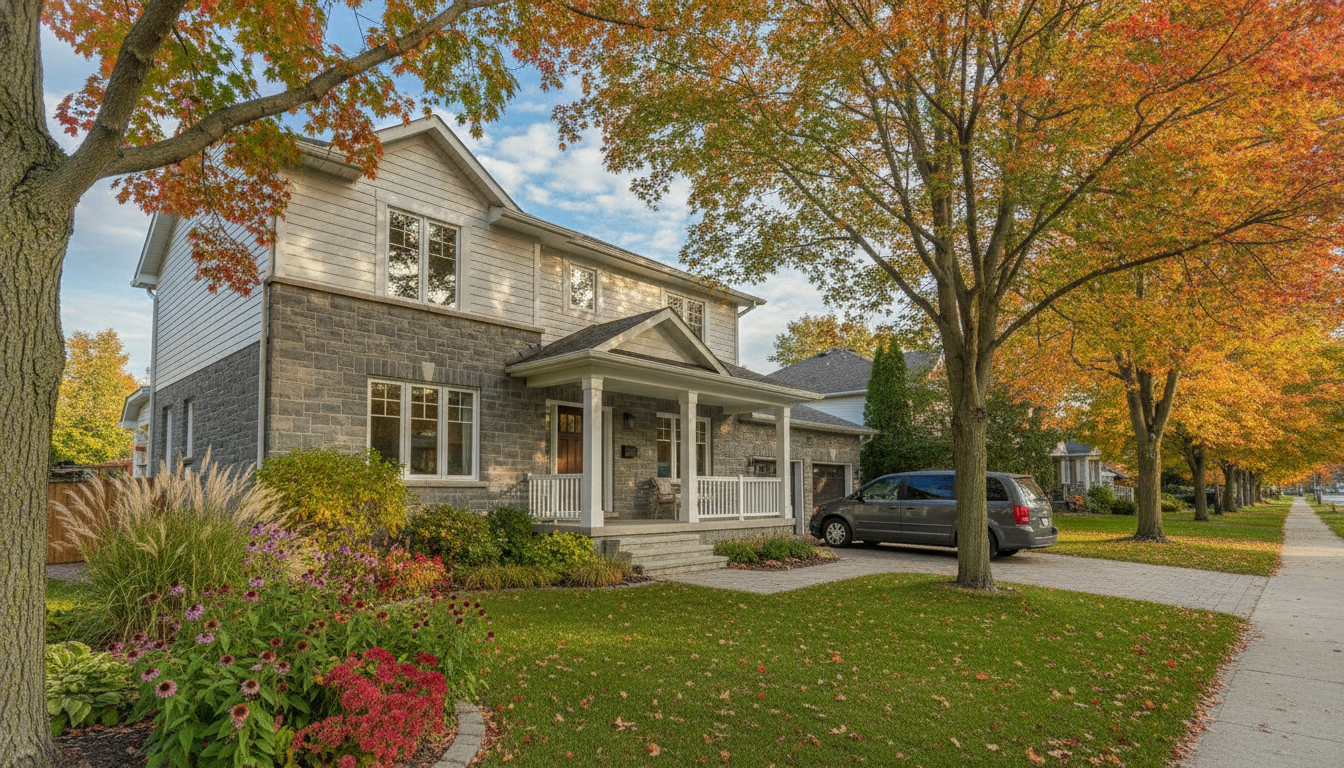
Are there areas in Ontario prone to flooding?
Are there areas in Ontario prone to flooding? Yes — here’s where, why it matters, and exactly what to do next.
Neighborhood & Location
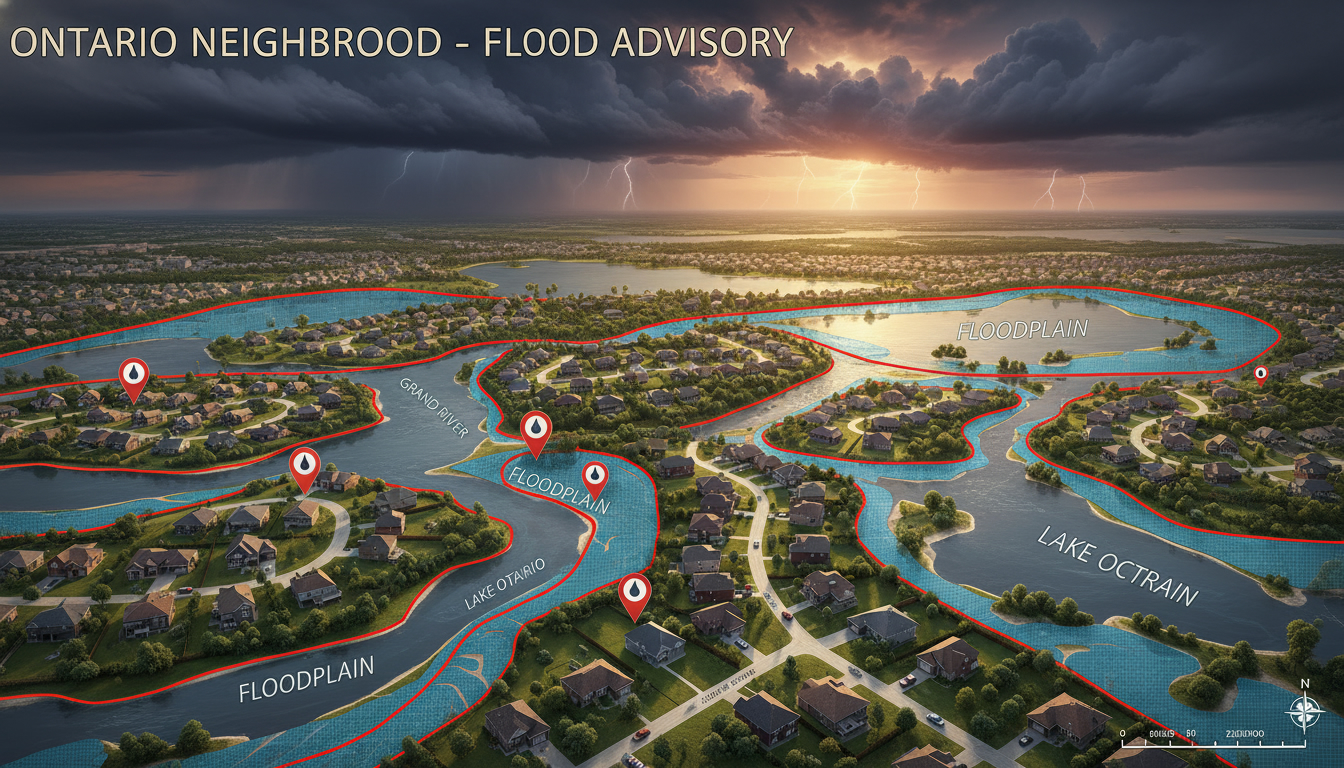
Ontario has flood-prone pockets — not the whole province. Low-lying river valleys, lakeshores, and older urban areas with combined sewers face the most risk. Think: river floodplains (Grand, Credit, Don, Thames), Lake Ontario shoreline communities, the Ottawa River corridor, and parts of southern Niagara. Urban neighbourhoods with poor drainage or undersized storm sewers can flood even when they’re not near a major river.
How to spot a flood-prone property
- Check municipal and Conservation Authority floodplain maps. These are the primary, authoritative sources for flood risk.
- Look for low elevation, proximity to rivers, creeks, wetlands, and historic high-water marks on nearby buildings.
- Ask sellers and neighbours about past basement flooding or sewer backups.
- Observe grading: does water run toward or away from the foundation?
Why this matters for buyers and homeowners
Flood risk affects insurance costs, mortgage approvals, resale value, and repair bills. Standard home insurance often excludes overland flood damage. Many insurers now offer overland flood coverage as an add-on — confirm details before you buy. Municipal flood layers can also limit renovations or require mitigation work during permitting.
Practical steps to reduce risk (do this before you sign)
- Pull flood maps: Visit your municipality and local Conservation Authority websites. Print the parcel map showing floodplain overlays.
- Order a survey or elevation certificate for vulnerable properties. A small elevation difference often changes risk classification.
- Get a home inspection focused on water entry points: foundation cracks, window wells, sump pumps, and weeping tiles.
- Check sewer type: combined sewers increase basement backup risk. Ask about sewer backup history and check for backflow valves.
- Price insurance early: get quotes for standard and overland flood coverage.
- Include protections in your offer: inspection, insurance contingency, and a clause allowing a flood risk review.
Mitigation that works
Sump pumps with battery backup, backwater valves, grading and drainage swales, raised mechanicals, and interior flood-proofing are cost-effective. For high-risk sites consider elevating the building or site-specific engineered solutions.
Local insight that matters
Conservation Authorities and municipal planners maintain real-time flood advisories and long-term mapping. In Toronto and many GTA suburbs, stormwater capacity issues drive localized flooding. Rural river valleys respond quickly to heavy spring melt and intense rain.
Act like a buyer who expects problems and a homeowner who won’t be surprised. Flood risk is manageable with data, inspections, and simple mitigation.
If you want a property-level review or local flood maps for a neighbourhood, contact Tony Sousa — local Realtor who knows Ontario flood risk, can pull maps, and advise on insurance and mitigation. [email protected] | 416-477-2620 | https://www.sousasells.ca
Featured Real Estate Listings
Browse current properties available right now. Click any listing to view photos, floor plans, or schedule a private tour.