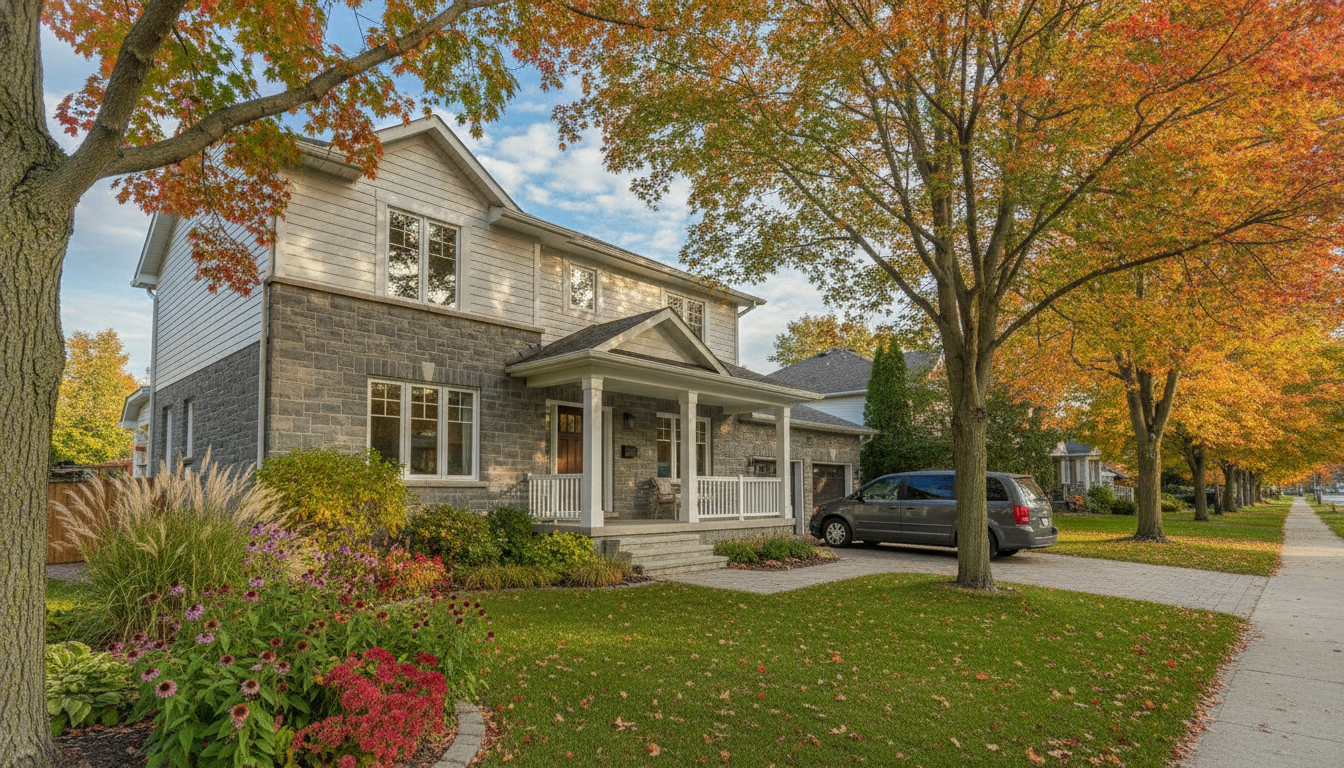
What are typical expenses for a rental property?
Shocking Breakdown: What will you actually pay for a rental property? Here’s the full expense list investors miss.
Why every investor must know rental property expenses
If you treat rental property ownership like passive income and ignore costs, you’ll lose money. Know the numbers. Reduce surprises. Protect cash flow. Improve investment & resale value.
Core ongoing costs (monthly or regular)
- Mortgage payment: Principal + interest. The single biggest line item for most investors.
- Property taxes: Vary by municipality; budget monthly reserves for annual bills.
- Insurance: Landlord insurance vs homeowner insurance — landlord policies cost more.
- Utilities (if paid by landlord): Water, gas, electricity, trash.
- Property management fees: 8–12% of rent for full-service management.
- HOA fees: Condos and some communities add monthly HOA dues.
Short note: These ongoing costs directly impact monthly cash flow and cap rate.
Routine maintenance and repairs
- Routine maintenance: Lawn care, HVAC service, pest control.
- Small repairs: Appliances, locks, drywall patches.
- Seasonal service: Snow removal, gutter cleaning, furnace tune-ups.
Plan 5–10% of gross rent annually for routine maintenance. Older properties need more.
Vacancy and tenant turnover costs
- Marketing and leasing: Advertising, showing costs.
- Make-ready: Painting, cleaning, carpet replacement, minor repairs between tenants.
- Lost rent during vacancy.
Budget 1–2 months of rent per year for vacancy and turnover if your market is stable.
Major capital expenditures (CapEx)
- Roof replacement, HVAC replacements, water heater, structural repairs.
- Kitchen and bathroom remodels when prepping for resale.
Set aside a CapEx reserve: $500–$2,000 per unit per year depending on property age.
Legal, accounting, and compliance
- Eviction and legal fees.
- Accounting and tax preparation.
- Licensing, inspections, and permits.
Legal issues can blow up your ROI. Keep a reserve and a trusted attorney/accountant.
Hidden costs that crush returns
- Unexpected code compliance or municipal orders.
- Tenants damaging property beyond normal wear.
- Inefficient systems raising utility bills.
These are the silent threats to cash flow and resale value. Inspect, document, and enforce lease rules.
Quick monthly expense checklist
- Mortgage, taxes, insurance
- Property management/HOA
- Utilities and routine services
- Maintenance reserve contribution
- CapEx reserve contribution
How expenses affect investment & resale value
Lower expenses improve cash-on-cash returns and make your property more attractive to buyers. Smart maintenance and timely upgrades increase resale value and command higher rents.
Action steps — keep control now
- Build a monthly budget using the checklist above.
- Create separate reserves for maintenance and CapEx.
- Use local market data to estimate realistic vacancy rates.
- Talk to a local expert for a property-specific expense analysis.
Want a property-level expense breakdown and resale value estimate? Contact a local expert who specializes in investment & resale value.
Contact: [email protected] | 416-477-2620 | https://www.sousasells.ca
Featured Real Estate Listings
Browse current properties available right now. Click any listing to view photos, floor plans, or schedule a private tour.