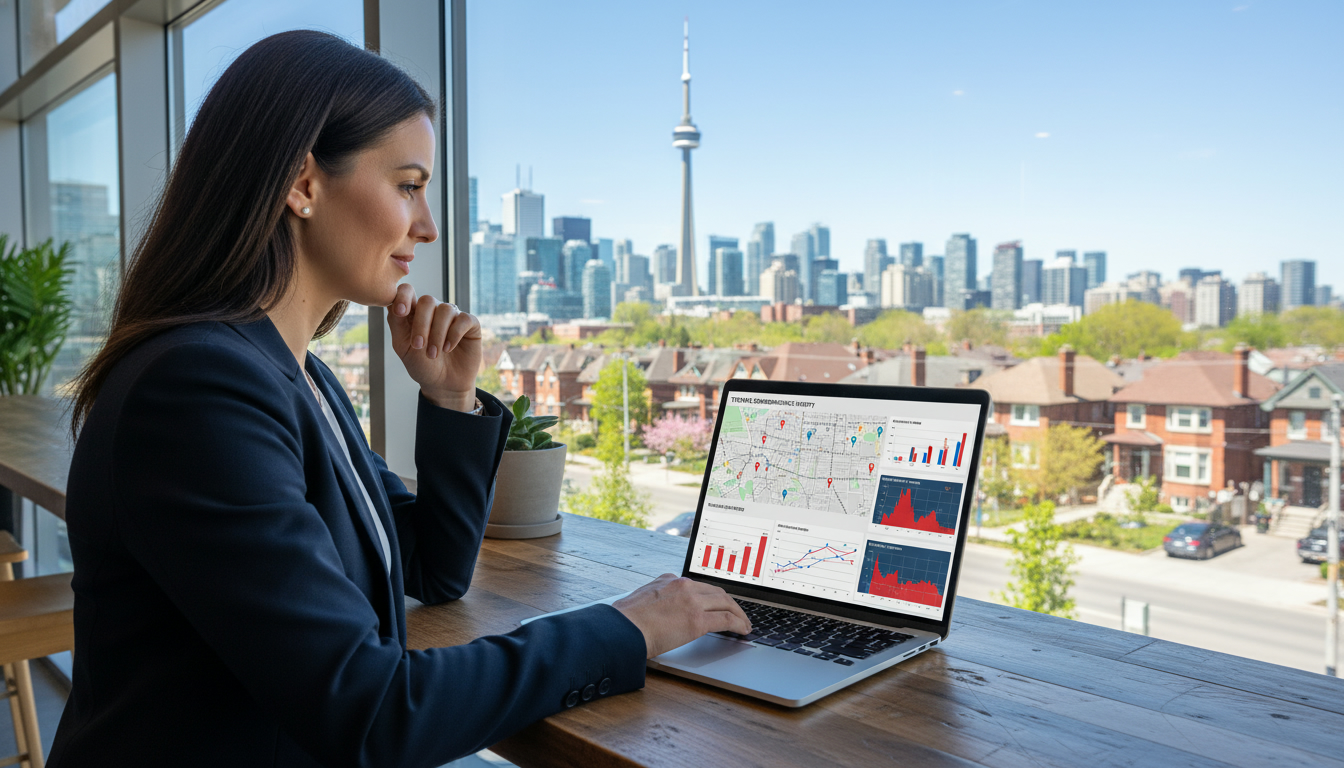
How do I research the demographics of a neighborhood?
Want to know who really lives in that neighborhood? Here’s a direct, no-fluff plan to research neighborhood demographics and get market-ready answers today.
Why demographics matter
Demographics tell you who buys, rents, and moves. They reveal income, age groups, family size, languages, and housing trends. For buyers, investors, or agents, this is the difference between a smart deal and a guess.
Step-by-step: Research neighborhood demographics
- Define the area precisely
- Use boundary lines: postal code, census tract, or a 1–3 km radius. Accurate boundaries = accurate data.
- Start with official census data
- Canada: Statistics Canada (Census Profile). Find median income, age distribution, household size, languages, and home ownership vs renting.
- USA: U.S. Census Bureau (American Community Survey).
- Layer local city data
- City of Toronto neighbourhood profiles and open data portals show development permits, housing stock, and population changes.
- Municipal property assessments reveal ownership patterns and lot sizes.
- Pull real estate data
- Use MLS/REALTOR.ca sold-data to spot price trends and typical home types.
- Look at days-on-market, sale-to-list ratios, and inventory changes.
- Check schools and family indicators
- School rankings (Fraser Institute in Ontario) and district enrollment show family demand.
- Daycare waitlists and playground density hint at young families.
- Measure safety and mobility
- Local police crime maps for incident trends.
- Transit routes, commute times, and Walk Score influence buyer preferences.
- Scan online behavior and sentiment
- Facebook community groups, Nextdoor, and local forums reveal resident concerns and neighborhood vibe.
- Classifieds and rental listings show turnover and renter demand.
- Visit and validate
- Walk the area at day and night. Note foot traffic, businesses, and maintenance.
- Talk to local shop owners or neighbours for on-the-ground color.
How to analyze the data
- Compare year-over-year trends for population, income, and housing stock.
- Spot red flags: rising vacancy, high crime trends, or shrinking school enrollment.
- Spot upside: new transit, rezoning, or major employers moving in.
- Create a one-page profile: population, median income, age split, housing mix, crime trend, school quality, and recent price changes.
Quick checklist you can use now
- Census profile link for the area
- MLS sold data last 12 months
- City planning and building permits
- Crime map snapshot
- School scores and enrollment trend
- 2 field visits (day/night)
Why work with an expert
I cut through the noise, pull the right data, and turn it into a clear market strategy. I’m Tony Sousa, a Toronto-based local realtor with deep neighbourhood expertise. If you want a custom demographic profile for any Toronto neighbourhood, I’ll deliver a concise, actionable report you can use to buy, sell, or invest.
Contact: [email protected] | 416-477-2620 | https://www.sousasells.ca
Use this plan and you’ll stop guessing. You’ll know who lives there, why they stay, and whether the market is growing. Want a report? Reach out — I’ll handle the details and give you a decision-ready summary.
Featured Real Estate Listings
Browse current properties available right now. Click any listing to view photos, floor plans, or schedule a private tour.


